
WHO Approves First Malaria Drug for Babies — Milestone or Market Move?
WHO prequalifies Coartem Baby, the first malaria treatment for newborns, promising to close a treatment gap but raising implementation questions.
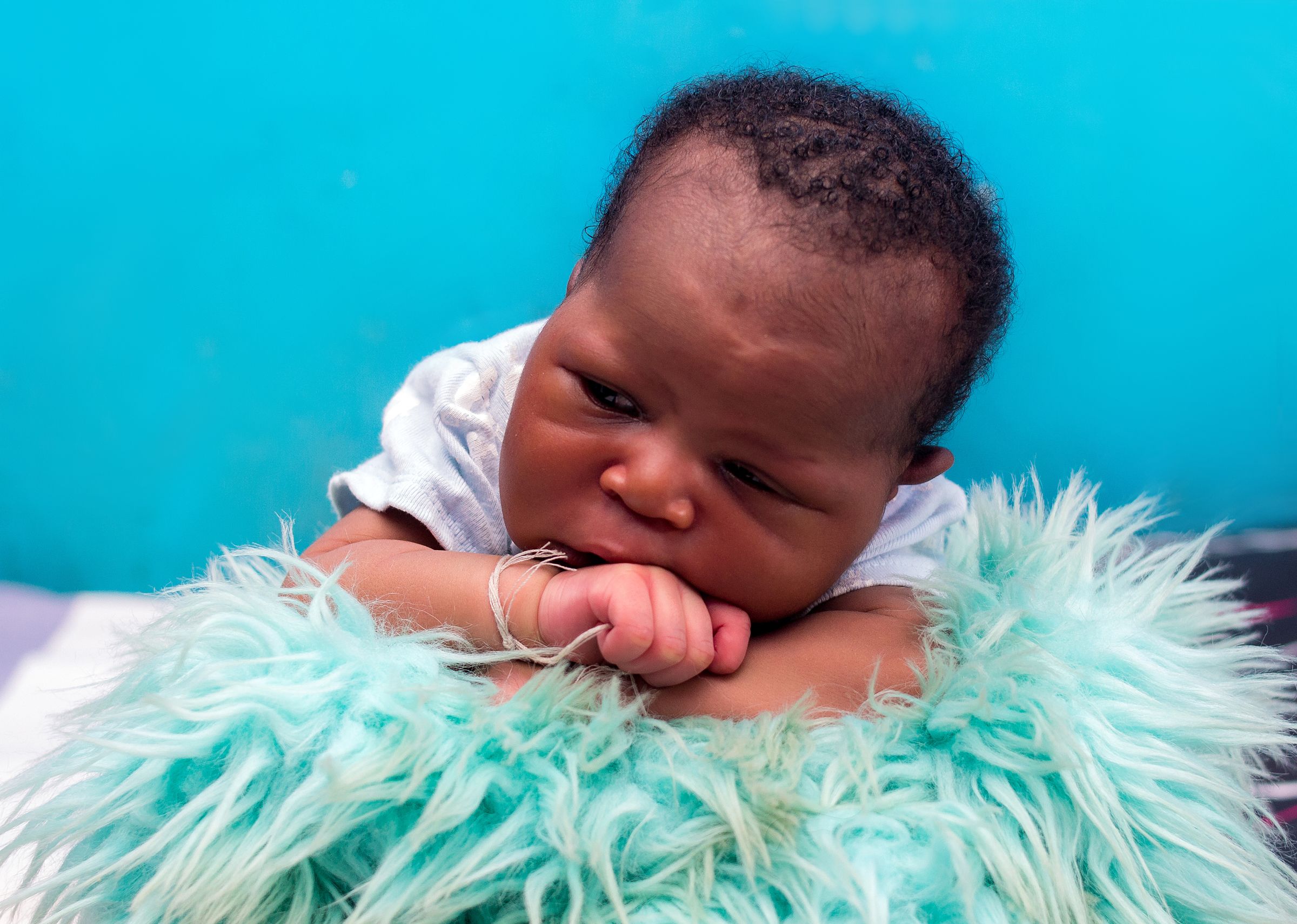
Small victory, big questions: the World Health Organization’s prequalification of Coartem Baby — an artemether‑lumefantrine formulation for infants as small as 2kg — removes a long‑standing treatment gap for newborns in malaria‑endemic countries. But beneath the celebration lie differing priorities: humanitarian urgency, industrial scaling, and political attention that may determine whether this really changes outcomes for the poorest families.
What's Beyond Dispute
- WHO prequalified the first malaria treatment specifically formulated for newborns and infants (Coartem Baby) on 24 April 2026.
- The drug is suitable for babies from 2kg, comes as dissolvable cherry‑flavoured tablets, and is intended for public‑sector procurement.
- WHO’s move follows warnings in the World Malaria Report 2025 that progress has stalled: 282 million cases and 610,000 deaths in 2024, with a large share among children in sub‑Saharan Africa.
Same Story, Different Front Pages
According to The Guardian, the announcement is a “major public‑health milestone” that fills a treatment gap where infants once had to be given formulations for older children, increasing dosing risks. The Guardian highlights WHO’s praise and early use in Ghana, and quotes clinicians who say the drug improves confidence in treating the youngest patients.
According to the World Health Organization press release, prequalification means the medicine meets international standards and enables public procurement — a technical but crucial step for national programs and donors.
According to industry messaging (Novartis statements referenced in reporting), the drug will be made available “on a largely not‑for‑profit basis” in endemic regions — a claim that eases concerns about price, but which requires scrutiny once procurement contracts and volumes are settled.
The reality is messier: regulators and philanthropies can clear the way, but access depends on supply chains, national procurement money, timely inclusion in treatment guidelines, and on‑the‑ground training for frontline workers. WHO prequalification removes one major barrier, but does not guarantee immediate, equitable delivery across rural clinics that lack refrigeration, transport, or routine outreach.
“For too long, newborns and young infants with malaria have fallen through the cracks,” said MMV leadership — a humanitarian framing that emphasizes moral urgency.
The Angles You Won't See on Page One
- Local clinicians: In Ghana, doctors report cases where having an infant‑formulation prevented dosing errors and likely saved lives. These accounts show immediate clinical benefit that global figures can obscure.
- Procurement skeptics: Health economists warn that a manufacturer pledge to sell at not‑for‑profit may not hold when middlemen, shipping, and registration fees are added — and when country budgets are squeezed.
- Diagnostics gap: WHO paired the prequalification with new rapid tests that avoid HRP2 blind spots. If diagnostics are not updated in policy and practice, new drugs alone won’t reach the right patients.
- Long‑term resistance risk: introducing another artemisinin combination at scale must be paired with surveillance; otherwise, accelerated resistance could undercut gains.
Reading Between the Frames
This story is a textbook example of a perspective gap between headline triumph and implementation reality. International bodies and drugmakers can produce a regulatory solution quickly — and the framing will be rightly celebratory. But the true measure of success is whether infants in remote clinics actually get the correct dose, when they need it, without financial or logistical barriers.
The reporting that matters most — the voices of clinic nurses, procurement officers, and families in malaria hotspots — sits at the margin of the coverage. Those perspectives reveal where bottlenecks will appear: national formularies that lag, supply lines that fracture, diagnostic tools that give false negatives, and the daily choices that determine whether a prequalified drug becomes a prevention of death or another press release.
If donors and national governments treat prequalification as the finish line rather than a starting block, the gap between promise and practice will widen. To close it, the global community must pair procurement commitments with funding for diagnostics, training, and last‑mile logistics — and monitor resistance closely.
Sources & Further Reading
-
The Guardian: human‑interest and policy angle
-
World Health Organization: technical/regulatory announcement
-
Novartis / MMV (via reporting): manufacturer and partner commitments
Source: https://www.theguardian.com/global-development/2026/may/02/new-drug-coartem-baby-babies-malaria-who-treatment (primary)
- malaria
- global-health
- who
Related stories
The $25 Loophole Sending Wild Mustangs to Slaughter
A legal loophole lets the government sell protected mustangs for as little as $25. Coverage splits between an NYT investigation, BLM's flat denial, and advocates' data.
Read the story
The AI Boom's Electric Bill Just Became a Midterm Weapon
Political reporters are covering the data-center backlash as a 2026 election story. Policy reporters call it a market failure. Both are skipping the part where nobody's fix is tested yet.
Read the story
$4.10 a Gallon: Inside the EPA's Three-Week Gas Price Fix
The EPA's emergency gasoline waiver reads as consumer relief in most coverage. Trade press shows it's also timed to the midterms and a win for ethanol producers.
Read the story