
$4.10 a Gallon: Inside the EPA's Three-Week Gas Price Fix
The EPA's emergency gasoline waiver reads as consumer relief in most coverage. Trade press shows it's also timed to the midterms and a win for ethanol producers.
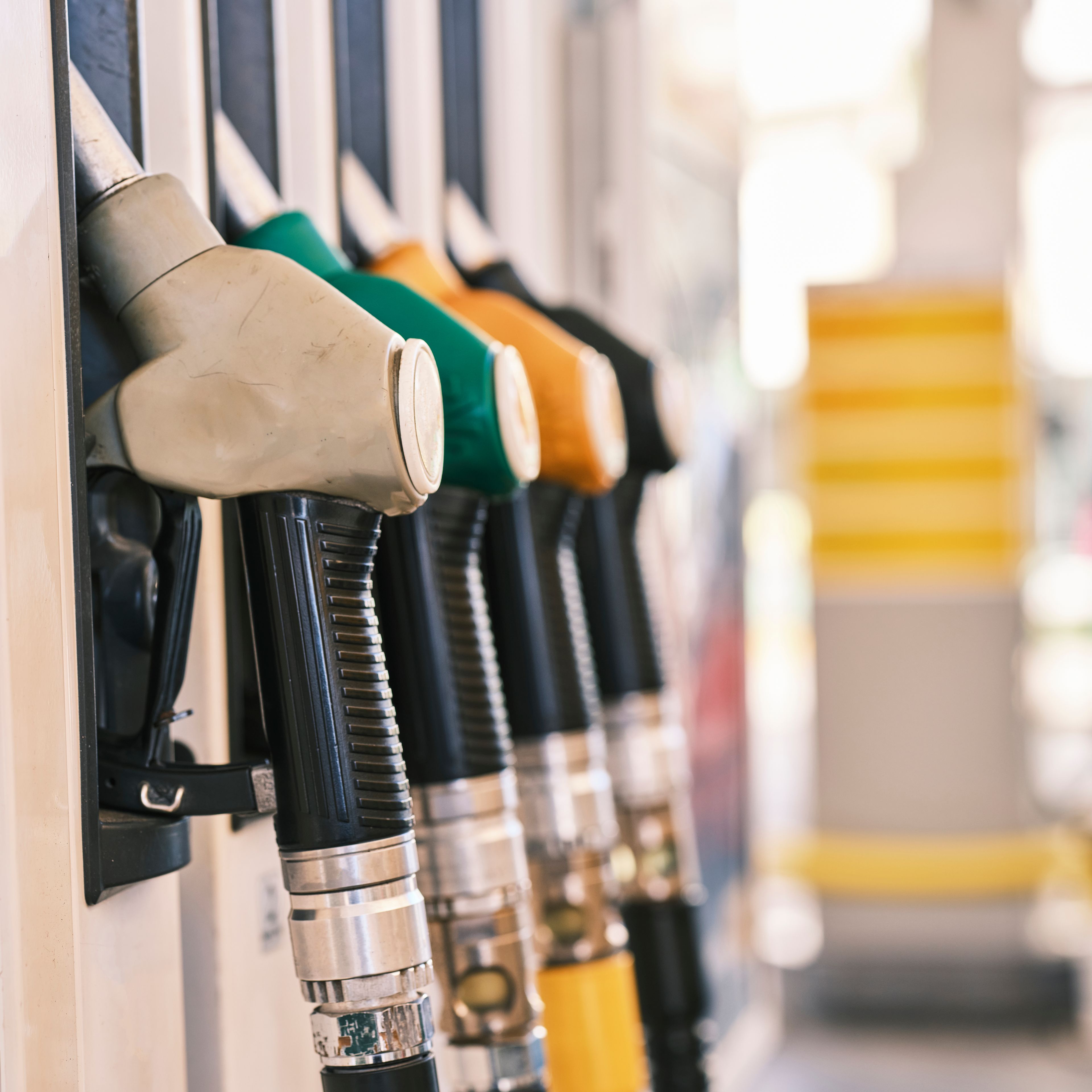
Gasoline hit $4.10 a gallon on Thursday, the highest the national average has ever been for this date, according to AAA. Hours later, the EPA announced it was letting refiners sell winter-grade gasoline two weeks early. Almost every outlet covered it as a straightforward relief measure. Almost none of them mentioned that the announcement landed the same day two Senate races moved into "toss up" territory.
The Mechanism, Stripped of Spin
The policy itself is narrow and technical. Since May, EPA has required a low-volatility "summer blend" of gasoline in much of the country, a Clean Air Act rule meant to curb smog on hot days. On August 20, the agency and the Department of Energy issued an emergency waiver letting refiners sell E10 gasoline (10% ethanol) at a higher Reid Vapor Pressure starting September 1, about two weeks before the normal switchover date. Higher RVP means gasoline evaporates more easily, which is what makes winter blends cheaper to produce but also more prone to forming smog in warm weather, according to the EPA's own statement.
The agency says the change will add "hundreds of thousands of barrels per day" to domestic supply and "help lower prices for American families." The waiver runs through September 15, with a promise to extend it if needed. It's the latest in a string of moves EPA has made since May to loosen fuel rules, alongside letting foreign ships haul oil between U.S. ports.
Gas has been elevated for months. Bloomberg, via Yahoo Finance, pegs the run-up to the war between the U.S. and Iran, which has kept the Strait of Hormuz unsettled and crude in the $80s a barrel. A year ago, the average gallon cost $3.13. The Energy Department's own monthly outlook, per Bloomberg's reporting, has prices staying elevated through the end of the year regardless of this waiver.
Same Announcement, Two Very Different Stories
Coverage split almost entirely along how much weight to give the administration's framing versus the fine print.
Breitbart's writeup runs the EPA's talking points close to verbatim: Administrator Lee Zeldin crediting Trump's "prioritized" energy agenda, DOE Secretary Chris Wright calling it proof the administration is "using every available tool" to cut prices. It adds useful context AAA doesn't emphasize elsewhere, noting California is paying close to $5.60 a gallon, and treats the waiver as an unambiguous win.
Bloomberg's account covers the identical facts but frames the tradeoff explicitly, calling the switch one that "enables the use of a dirtier-burning wintertime fuel blend" and noting the effect on prices "may depend on how quickly states... respond to the change in federal policy." It's the only one of the three that flags the smog tradeoff by name in its own voice rather than burying it in an official's quote.
Neither version is wrong. They're just answering different questions: one treats the waiver as a policy achievement to be announced, the other as a variable in a supply chain that may or may not move the number on the sign outside a gas station.
The Detail the Trade Press Caught and the Wires Missed
The most revealing coverage came from Agri-Pulse, an agriculture-policy outlet with no obvious stake in how this plays politically. Its report, filed the same day as EPA's announcement, opens by noting the waiver "comes about two and a half months before high-stakes midterm elections" and that Republicans are defending Senate seats in Iowa and Texas, both of which the nonpartisan Cook Political Report moved from "Lean Republican" to "Toss Up" that same Thursday. Iowa is the country's largest ethanol producer.
The ethanol industry's trade groups didn't hide their enthusiasm. The Renewable Fuels Association thanked EPA for the move and used the moment to push for a permanent, year-round version of the rule change. Growth Energy's CEO called it validation of "this EPA's track record" and urged Congress to make the waiver unnecessary by passing standing legislation. Both statements, quoted at length by Agri-Pulse, read less like reactions to a consumer-relief measure and more like industry allies celebrating a policy win they'd been lobbying for.
There's also a line in EPA's own press release that mainstream coverage largely passed over without comment: the agency singled out "blue-state politicians in New York and California" for not adopting earlier waivers, saying they are "driving up prices for their own residents." That's a partisan claim embedded in what is nominally a technical fuel-supply notice, and Agri-Pulse is the only outlet in this set that quoted it at length rather than paraphrasing around it.
None of this means the waiver won't lower prices somewhat. Adding barrels to the supply generally does. But the ethanol industry's excitement and the timing relative to two newly competitive Senate races are part of the story the EPA release and the outlets that ran closest to it left out. For related context on how the Iran war has driven energy costs this year, see our earlier look at oil prices spiking on Iran strike reports.
What Drivers Should Actually Expect
The honest answer, buried in nearly every version of this story if you read past the second paragraph, is "maybe a little, maybe not for long." The waiver only runs three weeks unless extended. States with their own fuel standards, including California, aren't obligated to follow it immediately, which is part of why EPA called out New York and California by name. And DOE's own forecasters, per Bloomberg, still expect prices to stay high into the fall regardless.
What's certain is smaller than what got announced: a modest, temporary supply bump, an industry that benefits either way, and an administration that has every incentive to be loud about the first part and quiet about the second. Whether pump prices actually move before November is the test that will settle which framing was closer to right.
Sources & Further Reading
- EPA, in Consultation with DOE, Expands Gasoline Supply to Lower Prices at the Pump — U.S. EPA, Aug. 20, 2026
- US Allows Early Sales of Winter Gasoline to Curb Prices — Bloomberg via Yahoo Finance, Aug. 20, 2026
- Exclusive: EPA to Enact Emergency Fuel Waiver to Increase Domestic Gas Supply, Lower Prices — Breitbart, Aug. 20, 2026
- With elections looming, EPA moves to ease gasoline price spikes — Agri-Pulse, Aug. 20, 2026
Related stories

The AI Boom's Electric Bill Just Became a Midterm Weapon
Political reporters are covering the data-center backlash as a 2026 election story. Policy reporters call it a market failure. Both are skipping the part where nobody's fix is tested yet.
Read the story
Trump's New Letter to Fire Fed Governor Lisa Cook Reads Like a Legal Rebuttal
Trump revived his bid to fire Fed Governor Lisa Cook with a letter built to survive the defect the Supreme Court flagged in June. Here's what coverage left out.
Read the story
A 0.02% Statistic Became 'I Won the Election'
A Census Bureau report flags 24,000 possible noncitizen voters from 2020 — 0.02% of ballots cast. Trump calls it proof. Reporters found an authorship problem.
Read the story