
The AI Boom's Electric Bill Just Became a Midterm Weapon
Political reporters are covering the data-center backlash as a 2026 election story. Policy reporters call it a market failure. Both are skipping the part where nobody's fix is tested yet.
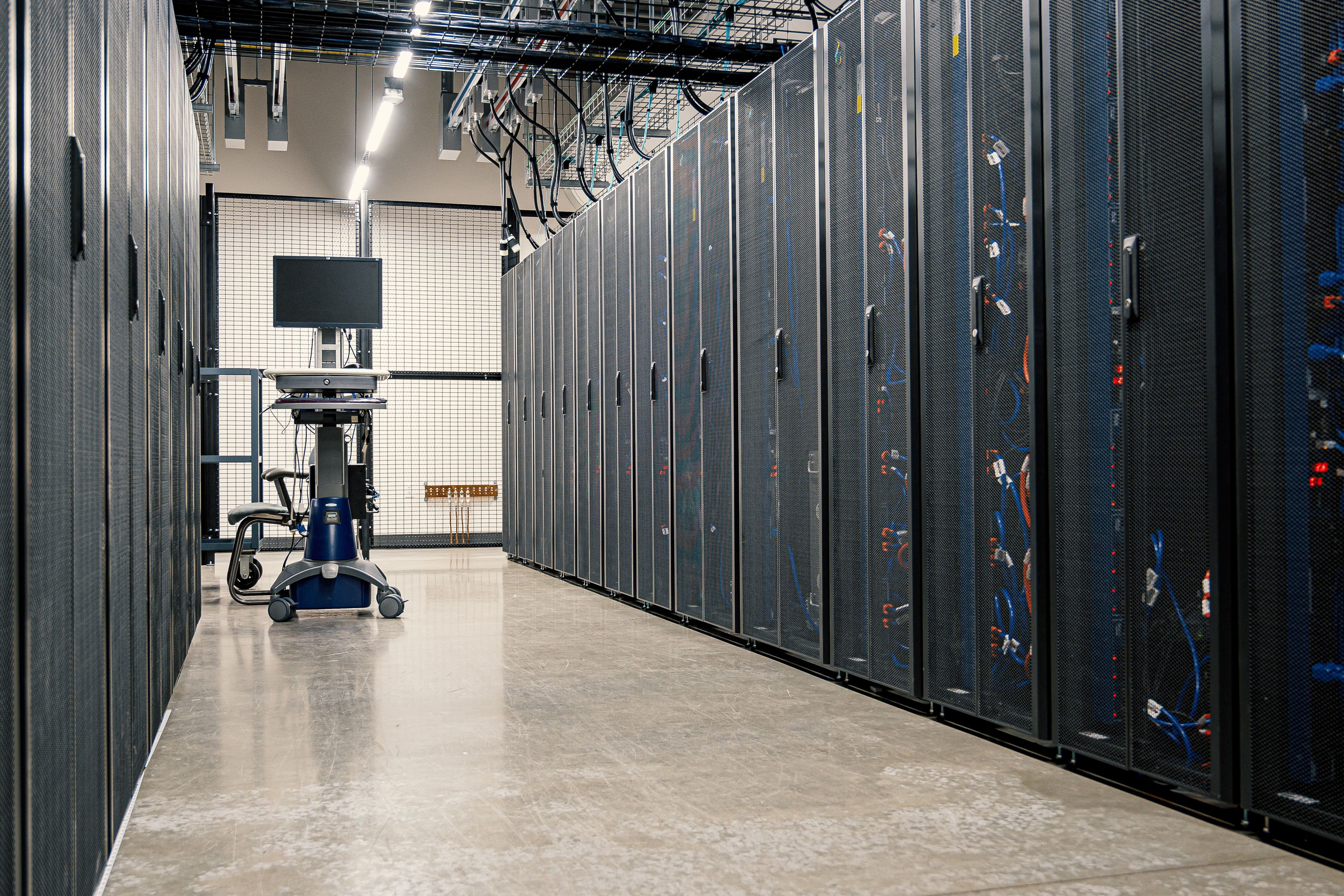
Gary Elder is 69, retired, and lives in Lewisport, Kentucky. Last month his electric bill was $440. The month before that, during the worst of the summer heat, it hit $569. He told the Kentucky Public Service Commission he can't afford a $1,000 bill, and he's worried a proposed data center down the road from him is going to get him one anyway.
Three time zones and one news cycle away, the National Republican Senatorial Committee was writing its own version of that fear into a campaign memo, calling data centers "the anchor hanging around Husted's neck." Same underlying fact — AI infrastructure is pushing up electricity demand faster than the grid can absorb it cheaply — told as two almost unrelated stories.
The Numbers Nobody Disputes
Start with what's not in question. U.S. data centers used about 176 terawatt-hours of electricity in 2023, roughly 4.4% of the country's total, according to a Department of Energy report cited by Newsweek. That's projected to climb to as much as 580 terawatt-hours by 2028 — potentially 12% of all U.S. electricity use. Brookings researchers, writing in March, found electricity costs have risen 42% since 2019, nearly half again as fast as the 29% rise in the overall Consumer Price Index. In Northern Virginia, the country's densest data-center market, utility disconnection rates have climbed in step with data-center load growth since 2022.
None of that is in dispute across any outlet covering this. What differs entirely is what each newsroom decides the story is about.
Ohio Turns It Into a Campaign Ad
In Ohio, this is a horse-race story, and a good one. Signal Cleveland's Statehouse team reported this week that the NRSC circulated a memo to AI companies warning that Republican Sen. Jon Husted is in danger of losing his seat to Democrat Sherrod Brown largely because of data centers, and that two recent Fox News polls show Brown ahead by 8 points. Brown has spent more than $1.9 million on ads attacking Husted as "the face of data centers." Husted has responded with legislation requiring the facilities to pay for their own power. Governor candidate Vivek Ramaswamy, who called the data-center boom "a good thing" as recently as last year, is now promising residents free electricity. Unions that build the facilities are split from the residents who live next to them.
It's a legitimately interesting campaign story — one where labor, industry money, and utility bills are colliding in a single Senate race. But it's told almost entirely as tactics: who's ahead, whose ad landed, whose position moved. The electricity bill itself is a plot device.
Washington Answers With a Tax Bill
National coverage of the policy response reads differently again. Newsweek's report on Rep. Andrea Salinas' Data Center Community Reinvestment Act — a 1-cent-per-kilowatt-hour federal excise tax on large data centers, introduced August 13 — treats the fight as a Washington process story: which committees it's been referred to, how the roughly $1.76 billion in projected revenue would be divided among housing, conservation, and highway funds. Virginia's own 1.1-cent-per-kWh data-center tax gets a paragraph as precedent. The piece is careful to note the obvious catch: nothing in the bill guarantees a lower bill for anyone. It's a tax on data centers, not a rebate for ratepayers, and Newsweek says so plainly. That honesty is the story's strength and also where it stops — it doesn't say whether the tax, or any of the half-dozen similar state and federal proposals working through statehouses right now, would actually move the number on Gary Elder's bill.
The Part Both Framings Skip
What neither the campaign coverage nor the policy coverage spends much time on is that the fixes on the table are almost entirely untested. Brookings' researchers point out that utility contracts with data-center operators are largely confidential, which means nobody outside the negotiating room can actually verify whether a "pay your way" deal — the kind Husted's bill and Kentucky Gov. Andy Beshear's new executive order both promise — holds up once the data center is built and drawing power. Kentucky's own legislature passed ratepayer protections in its House this year; they stalled in the Senate. Virginia's tax took effect only this year, too recently to show up in anyone's bill. The single clearest piece of evidence available — Northern Virginia's rising disconnection rate — describes what happens without those protections, not what happens with them.
That's the gap. The Ohio race treats the backlash as a political weather system to be won or lost by November. The Washington coverage treats it as a tax-policy debate to be refined. Both skip the plain fact that every "solution" currently in play, from executive orders to excise taxes to voluntary pledges, is running in real time on real customers, with no completed before-and-after case study anywhere in the country. Kentucky's Public Service Commission chair told residents at that same July hearing that her commission has rejected utility contracts before and can do it again — which makes state regulators, not Congress or campaign ads, the closest thing to an actual check that exists right now. Few national stories mention that regulators, not lawmakers, are where this gets decided county by county.
For related context on how energy costs are shaping this fall's elections more broadly, see our earlier look at the EPA's gasoline waiver timed to two newly competitive Senate races.
None of this means the backlash is overblown. Louisville's Metro Council is moving to tighten its own data-center zoning rules, and Kentucky's House already passed ratepayer protections once, even if the Senate let them stall. It means the fight over who pays is still open, the remedies are unproven, and the coverage deciding whether Husted keeps his seat or Salinas' bill gets a hearing is, for now, running well ahead of any evidence that either outcome actually lowers anyone's electric bill.
Sources & Further Reading
- 'The anchor around Husted's neck': Data centers are dominating Ohio politics — Signal Cleveland, Aug. 21, 2026
- With more data centers on the horizon, communities worry about rising electricity bills — Louisville Public Media / WEKU, Aug. 10, 2026
- Confronting and addressing rising energy bills linked to data centers — Brookings, Mar. 13, 2026
- Data Center Tax: What It Could Mean for Your Monthly Power Bill — Newsweek, Aug. 17, 2026
Related stories

$4.10 a Gallon: Inside the EPA's Three-Week Gas Price Fix
The EPA's emergency gasoline waiver reads as consumer relief in most coverage. Trade press shows it's also timed to the midterms and a win for ethanol producers.
Read the story
Trump's New Letter to Fire Fed Governor Lisa Cook Reads Like a Legal Rebuttal
Trump revived his bid to fire Fed Governor Lisa Cook with a letter built to survive the defect the Supreme Court flagged in June. Here's what coverage left out.
Read the story
Spirit Airlines Collapses After Rescue Talks Fail — Bailout, Fuel Shortages, and Competing Narratives
Spirit's sudden shutdown follows a failed $500m rescue and surging jet fuel prices — a collapse that mixes economic shock with political rescue drama.
Read the story