
Spirit Airlines Collapses After Rescue Talks Fail — Bailout, Fuel Shortages, and Competing Narratives
Spirit's sudden shutdown follows a failed $500m rescue and surging jet fuel prices — a collapse that mixes economic shock with political rescue drama.
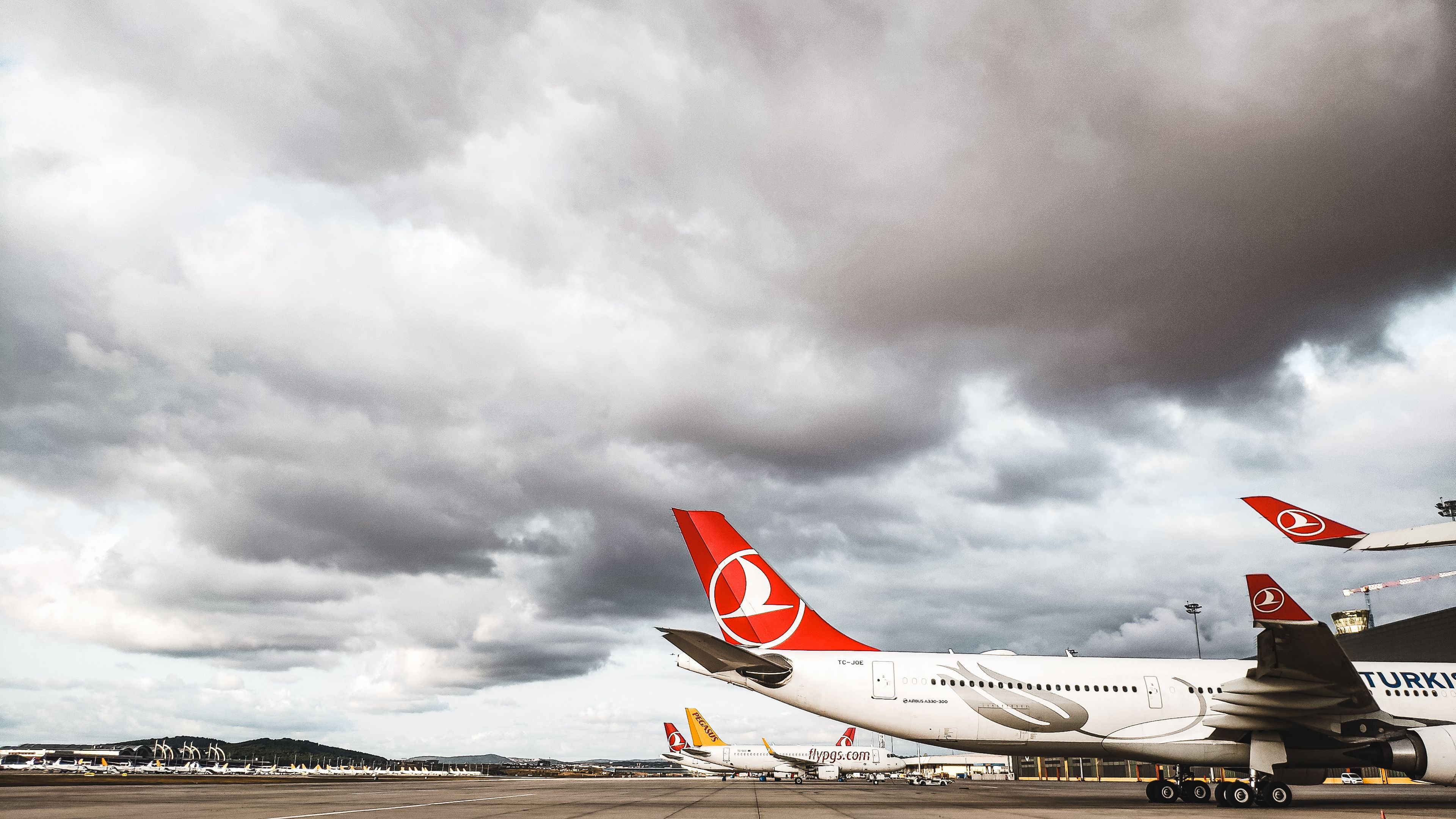
Spirit Airlines Collapses After Rescue Talks Fail — Bailout, Fuel Shortages, and Competing Narratives
The sudden shutdown of Spirit Airlines exposes split stories about who — and what — failed the budget carrier. In the wake of cancelled flights and an announcement that the company has begun an "orderly wind-down," outlets present frames that range from an inevitable business casualty of soaring jet fuel costs to a political rescue attempt blocked by lawmakers and markets.
What's Beyond Dispute
- Spirit Airlines announced an "orderly wind-down of operations," cancelling all flights and starting refund processes.
- The collapse followed the failure of a proposed $500m rescue package that had been discussed with the White House and the carrier's creditors.
- A sharp rise in jet fuel prices — cited by analysts and company filings — dramatically altered Spirit's cost outlook and was a proximate driver of the failure to sustain operations. This connects to a story we covered earlier: The 'Acceptable Pain' Gap: Why the IMF’s Growth Downgrade isn’t Telling the Whole Story.
How the Headlines Diverge
-
According to BBC News, the immediate story is one of market reality: jet fuel costs doubled since late February, turning a fragile restructuring into an untenable business problem. Analysts told the BBC the carrier had not completed the radical overhaul needed during its bankruptcy process.
-
According to Al Jazeera, the collapse is also political: the White House pushed a last-ditch rescue proposal that faced opposition on Capitol Hill and on Wall Street, turning a commercial decision into a debate about government intervention and cronyism.
-
According to Reuters (reported via other outlets), creditors and potential buyers balked at Spirit's finances once fuel projections moved far beyond the carrier's restructuring assumptions — a reminder that rescue talks cannot paper over underlying solvency gaps.
Taken together: fuel prices were the immediate economic shock, but the rescue's political and market resistance accelerated a collapse that might otherwise have been survivable with different terms or market conditions.
Beyond the Wire Copy
-
Local employees and regional airports portray a different cost: routes, jobs, and communities served by Spirit will face abrupt dislocation. Local reporting and union statements emphasize human and logistical fallout that headline coverage skims over.
-
Industry analysts beyond the marquee outlets highlight that Spirit's business model — ultra-low fares with tight margins — made it uniquely exposed to volatile input costs. This structural vulnerability, they argue, predates the recent fuel spike.
-
A quieter regulatory angle: critics of the proposed government intervention warned that a large public bailout would effectively transfer risk to taxpayers while preserving a market position that depressed fares for competitors. That debate — about fairness, precedent, and market signaling — is getting less attention than immediate travel-cancellation drama.
The Takeaway
Reporting so far shows a classic perspective gap: high-level outlets focus on the headline shock (cancellations, bailout talks), while local actors, industry specialists, and policy critics stress longer-term systemic issues. The gap matters because it shapes which remedies are considered acceptable.
If coverage centers only on last-minute politics and fuel prices, solutions will skew toward emergency finance or ad-hoc bailouts. If instead reporters fold in the structural critique — business-model fragility, labor impacts, and regulatory fairness — the public conversation may move toward stronger contingency planning, clearer bankruptcy safeguards for passengers, and rules that limit politically driven rescues.
Sources & Further Reading
-
BBC News: market and analyst perspective — cost shock and failed restructuring
-
Al Jazeera: political framing — White House intervention vs. opposition
-
Reuters: creditor and market skepticism — why buyers walked away
-
Spirit Airlines (company statement): immediate operational notice and refund policy Excerpt: The collapse of Spirit Airlines shows how acute input shocks — and the politics around rescue attempts — can turn fragile business models into abrupt community crises. Readers should watch for two follow-ups: how refunds and customer care are handled, and whether this collapse resets expectations about government aid for private firms.
Source: https://www.bbc.com/news/articles/cqxlnrqjvzyo?at_medium=RSS&at_campaign=rss (BBC News)
Related stories

The AI Boom's Electric Bill Just Became a Midterm Weapon
Political reporters are covering the data-center backlash as a 2026 election story. Policy reporters call it a market failure. Both are skipping the part where nobody's fix is tested yet.
Read the story
$4.10 a Gallon: Inside the EPA's Three-Week Gas Price Fix
The EPA's emergency gasoline waiver reads as consumer relief in most coverage. Trade press shows it's also timed to the midterms and a win for ethanol producers.
Read the story
The U.S. Lost 23,000 Jobs in July. The Unemployment Rate Fell Anyway.
July payrolls shrank by 23,000 and revisions erased 103,000 more jobs — yet unemployment fell. Here is what outlets chose to emphasize.
Read the story