
The 'Acceptable Pain' Gap: Why the IMF’s Growth Downgrade isn’t Telling the Whole Story
A deep dive into the IMF's 2026 outlook and the strategic divide between the UK's economic hit and the US's security goals.
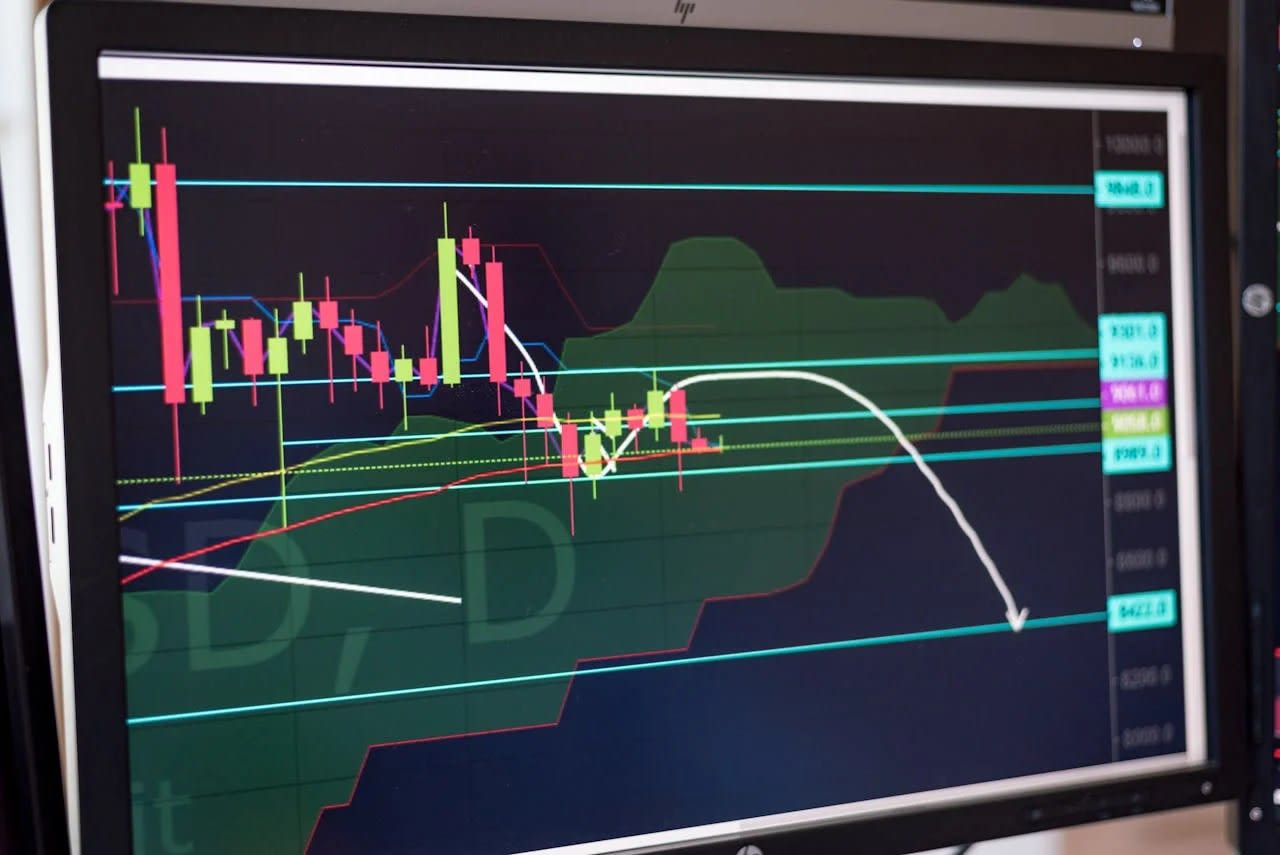
The International Monetary Fund (IMF) just released its April 2026 World Economic Outlook, and the numbers are grim—especially for the UK. But behind the cold data of "growth downgrades" lies a massive philosophical divide between global superpowers. While the UK is bracing for the biggest economic hit in the G7, the US leadership is essentially telling the world that this "pain" is a bargain.
Start With What's Verified
The IMF has officially slashed its 2026 growth forecast for the UK by 0.5 percentage points, dropping it to a meager 0.8%. This is the steepest downgrade among the world’s advanced economies. The culprit? The ongoing conflict with Iran, which has sent energy prices surging and effectively "thrown the global economy off course."
This connects to a story we covered earlier: Geopolitics Is the Risk That Could Break Banks — What Stress Tests Miss.
Where the Reporting Splits
Outlets like the BBC and The Guardian are framing this as a story of UK vulnerability.
- The Focus: The UK’s status as a net energy importer. Because the UK relies so heavily on imported gas and oil, the "Iran shock" hits British households harder and faster than its peers.
- The Vibe: Resignation. The narrative suggests the UK is a bystander in a global storm, with Chancellor Rachel Reeves stating, "The war in Iran is not our war, but it will come at a cost."
The Strategic Perspective: "A Price Worth Paying"
This is where the first Perspective Gap appears. While the UK is counting the cost in pennies, the US is looking at the board like a chess grandmaster.
- The American View: US Treasury Secretary Scott Bessent told the BBC that a "small bit of economic pain" is worth it to eliminate the "tail risk" of a nuclear Iran.
The Gap:* There is a fundamental disconnect here. To the US, a 0.5% GDP hit is a strategic rounding error in exchange for long-term security. To a British family struggling with energy bills, that "small bit of pain" is a cost-of-living crisis. The US is trading economic growth for security, but the UK is the one paying the bulk of the transaction fee.
The Domestic Blame Game: "Self-Inflicted or Trump’s Fault?"
Inside the UK, the "Perspective Gap" turns into a political mirror.
- The Opposition View: Shadow Chancellor Mel Stride argues the downgrade isn't just about the war; it’s about "self-inflicted" tax hikes on businesses that left the UK with no buffer.
- The Third-Party View: The Liberal Democrats have branded the hit as "economic vandalism" caused by "Trump’s idiotic war."
- The Reality Gap: By blaming domestic policy or specific foreign leaders, both sides ignore the structural reality highlighted by the IMF: the global economy is so hyper-centralized around Gulf energy that a single regional conflict can derail the growth of a nation 3,000 miles away.
What This Means for Readers
The real Perspective Gap here is the transition from an era of "Cheap Peace" to "Expensive Security."
For thirty years, global growth was fueled by stable, cheap energy. The IMF’s report marks the moment that era officially ended. We are now entering a period where Western governments are openly admitting that economic growth is secondary to geopolitical objectives.
When the US Treasury says the pain is "worth it," they are admitting that the "Global Economy" is no longer a neutral machine for wealth—it is a weapon and a shield. The UK’s downgrade isn't just a statistical fluctuation; it’s the first major invoice for a new world order where "security" is the most expensive commodity on the market.
- **
Sources Featured: BBC News:* Primary reporting on the IMF downgrade and the "net importer" vulnerability. IMF World Economic Outlook (April 2026): Raw data on growth forecasts and inflation risks. US Treasury Dept (via BBC): Strategic defense of the economic impact as a "tail risk" mitigation. *UK Parliament Briefings: Political reactions from the Chancellor and Shadow Chancellor.
Sources
Related stories

Geopolitics Is the Risk That Could Break Banks — What Stress Tests Miss
The Geopolitical Risk Index has surged; regulators and banks may be underprepared as political shocks transmit through trade, counterparties, and liquidity.
Read the story
The AI Boom's Electric Bill Just Became a Midterm Weapon
Political reporters are covering the data-center backlash as a 2026 election story. Policy reporters call it a market failure. Both are skipping the part where nobody's fix is tested yet.
Read the story
$4.10 a Gallon: Inside the EPA's Three-Week Gas Price Fix
The EPA's emergency gasoline waiver reads as consumer relief in most coverage. Trade press shows it's also timed to the midterms and a win for ethanol producers.
Read the story