
Oil Hits Multi‑Year High as Trump Weighs Strikes on Iran: War Preparations or Market Manipulation?
Oil prices surged to their highest level since 2022 after reports of US strike planning against Iran, sparking market turmoil and geopolitical debate.
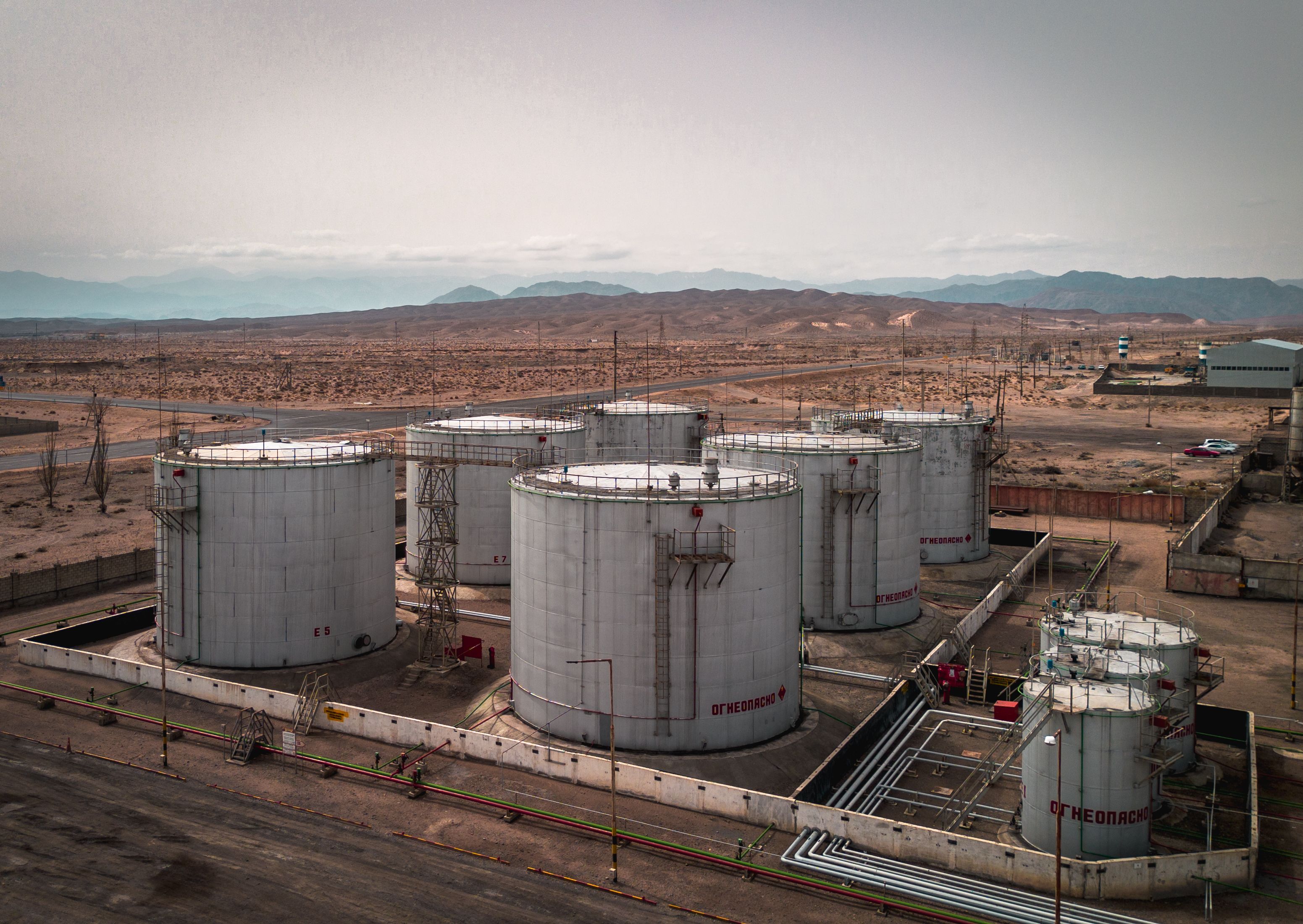
The global oil market is jittery again. On Thursday, crude prices spiked to levels not seen since 2022 after a report surfaced that the Trump administration is reviewing options for a new wave of strikes against Iran. The news, broken by Axios and amplified by BBC, sent traders scrambling, fearing a supply shock in an already fragile geopolitical landscape. But behind the headlines lies a tangle of narratives—each outlet framing the story through its own lens.
First, the Facts
- Axios reported that US Central Command has prepared a plan for a “short and powerful” strike campaign against Iranian targets.
- The report triggered an immediate uptick in Brent crude, pushing it above $95 per barrel for the first time in nearly four years.
- White House officials have neither confirmed nor denied the plan, but sources say President Trump will be briefed within days.
- Iran’s foreign ministry dismissed the report as “psychological warfare,” while reiterating its right to defend its nuclear facilities.
Background from our archive: UAE Says It Intercepted a Missile and Drone Swarm — Iran Denies, Markets Jitter.
Same Story, Different Front Pages
According to BBC, the story is primarily a market story: “Oil price hits highest since 2022 after report Trump to be briefed on new Iran options.” The outlet emphasizes the economic ripple effects, quoting analysts who warn of inflationary pressures and strained consumer budgets.
According to Axios, the focus is on military readiness. Their sources describe a detailed plan that would target missile sites and nuclear infrastructure, suggesting a decisive shift from diplomatic stalemate to potential kinetic action.
According to Reuters (via secondary coverage), the narrative expands to regional alliances: Gulf states are reportedly alarmed at the prospect of escalation, while Russia and China urge restraint, highlighting the broader great‑power competition.
According to Al Jazeera, the framing is more critical of US motives, portraying the strike talk as a distraction from domestic political woes and a move to bolster the administration’s hawkish credentials ahead of the midterm season.
The reality? All these narratives contain fragments of truth, but none capture the full picture. The market reaction is real, the military planning is plausible, the regional anxieties are tangible, and the domestic political angle cannot be ignored. Yet the average reader, consuming only one outlet, walks away with a skewed understanding—exactly the “Perspective Gap” we aim to bridge.
What's Missing From the Front Page
- Energy traders: Many view the spike as a buying opportunity, betting that the strike threat is largely bluster. Options markets show a sharp increase in put‑option buying, suggesting skepticism about actual hostilities.
- Iranian citizens: On social media, many express fatigue with the cycle of threats and counter‑threats, worrying more about deepening economic isolation than about airstrikes.
- European diplomats: Quietly, EU envoys are drafting emergency energy‑sharing protocols, fearing that a disruption in Strait of Hormuz shipments could cripple the bloc’s fragile recovery.
- Environmental groups: Point out that heightened tensions could delay Iran’s nascent renewable‑energy projects, further entrenching fossil‑fuel dependence in the region.
These voices rarely make the six‑o’clock news, yet they shape the long‑term consequences of any escalation.
The Takeaway
Why do the narratives diverge so sharply? Outlets tailor their reporting to their core audiences: BBC to market‑watchers, Axios to political‑military insiders, Al Jazeera to a sceptical Global South readership. Each selects facts that confirm its audience’s worldview, leaving out the messy, intersecting realities.
For the reader, the takeaway is clear: price spikes are not just about supply and demand; they are a barometer of geopolitical risk perception. The same report that sends traders into a frenzy also fuels diplomatic back‑channels and public anxiety. To truly understand the stakes, one must triangulate across outlets, listen to the quieter voices, and recognise that the “truth” is often a composite of competing narratives.
In an era of fragmented media, the Perspective Gap isn’t a bug—it’s a feature that demands active, critical consumption. Only by holding multiple lenses simultaneously can we see the full picture of a world where a single news alert can move markets, rattle regimes, and reshape ordinary lives.
Sources & Further Reading
-
BBC: Market‑focused reporting on oil price surge.
-
Axios: Military‑planning angle with US Central Command details.
-
Reuters: Regional‑alliance and great‑power context.
-
Al Jazeera: Critical perspective on US motives and domestic politics.
Related stories
Markets Rally After Report U.S. and Iran Near One-Page Memo to End War
Markets jumped and oil prices fell after reports that the U.S. and Iran are close to a one-page memorandum that could end the regional war, though key details remain contested.
Read the story
UAE Says It Intercepted a Missile and Drone Swarm — Iran Denies, Markets Jitter
The UAE reported intercepting missiles and drones near Fujairah; Tehran denies involvement. Early market and diplomatic reactions paint sharply different pictures.
Read the story
$4.10 a Gallon: Inside the EPA's Three-Week Gas Price Fix
The EPA's emergency gasoline waiver reads as consumer relief in most coverage. Trade press shows it's also timed to the midterms and a win for ethanol producers.
Read the story