
UAE Says It Intercepted a Missile and Drone Swarm — Iran Denies, Markets Jitter
The UAE reported intercepting missiles and drones near Fujairah; Tehran denies involvement. Early market and diplomatic reactions paint sharply different pictures.
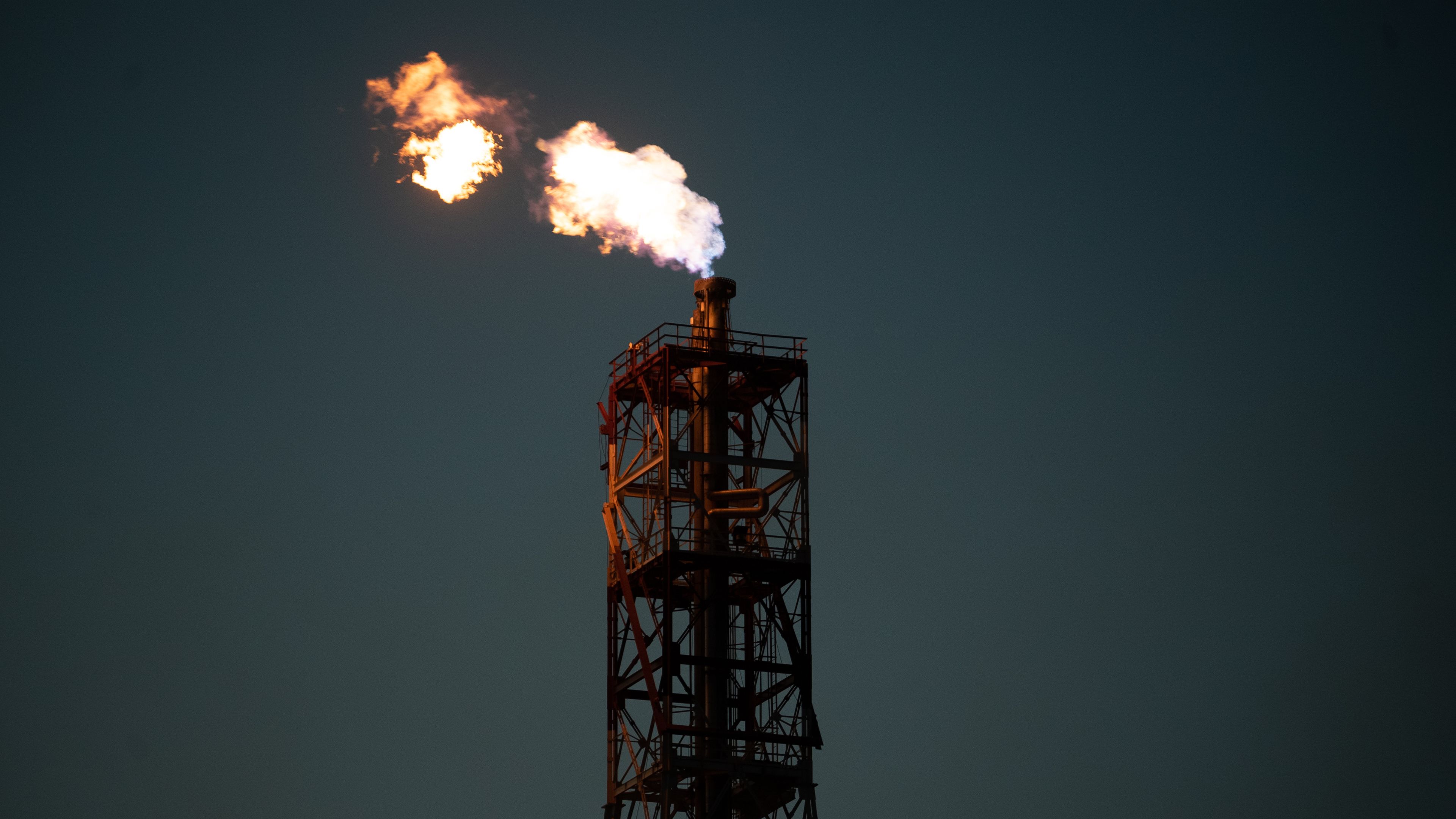
The United Arab Emirates said its air defenses engaged a coordinated attack of ballistic missiles, cruise missiles and drones on May 4, 2026, as a blaze broke out in the Fujairah oil zone. Official Emirati statements blamed Iranian forces and described multiple intercepts; Tehran has denied responsibility. International outlets offered sharply different takes — from verification-first reporting to alarmist framing that sent oil and insurance markets higher.
Start With What's Verified
- On May 4, 2026, UAE authorities reported intercepting incoming missiles and drones and responding to a fire at an oil facility in Fujairah.
- The UAE government attributed the strike to forces linked to Iran; Iran has publicly denied launching the attack.
- Commercial flights and maritime traffic were disrupted and local authorities reported a small number of injuries and damage to oil-industry infrastructure. For more context, read Oil Hits Multi‑Year High as Trump Weighs Strikes on Iran: War Preparations or Market Manipulation?.
The Coverage, Compared
According to Reuters (primary reporting on-the-ground and with regional official statements), the UAE's Ministry of Defence said its air defenses "engaged" 12 ballistic missiles, three cruise missiles and four drones, and firefighters battled blazes in a major oil zone after the incident. Reuters emphasizes official statements and includes immediate reactions from regional partners and markets.
According to Al Jazeera, the story highlights the broader regional escalation, quoting local officials and eyewitnesses while connecting the incident to renewed tensions between Tehran and Gulf states. Al Jazeera's narrative frames the event as part of a pattern of kinetic pressure that risks unraveling a fragile ceasefire.
According to The New York Times live updates, U.S. naval actions around the Strait of Hormuz and statements from Washington suggested a complex, multi-actor picture: American forces reported engaging threats while diplomatic spokespeople urged calm. The NYT feed foregrounded the risk that attribution in the immediate aftermath can be misleading and noted intelligence uncertainties.
According to Gulf News and regional outlets, coverage focused on immediate local disruption — flights diverted, schools briefly closed, and local economic impacts — offering a more granular, practical view than some international narratives that emphasized geopolitical theater.
The Angles You Won't See on Page One
Local emergency responders and regional commercial stakeholders tell a different story from headline-driven geopolitics. On-the-ground sources stress that damage was concentrated and that the oil zone's core export terminals were not rendered inoperable — a detail that tempers worst-case supply-shock scenarios.
Independent open-source analysts and maritime trackers, meanwhile, highlighted gaps in early attribution. Geolocated imagery and AIS ship-tracking showed diversions and fires but left open the launch locations and responsible actors. Some analysts pointed to the operational profiles of the intercepts — numbers and timing — as consistent with proxy launches rather than direct state-to-state strikes, complicating the simple "Iran attacked the UAE" framing.
Regional political actors also have incentives to shape the public story: Gulf governments may emphasize defensive successes to reassure markets and publics, while external powers have motives—diplomatic and economic—to amplify or downplay escalation. Commercial insurers and trading desks priced in a premium quickly; that immediate market reaction becomes part of the story trotted out by some outlets as evidence of global contagion.
The Takeaway
This incident shows how the same set of facts — a fire, diverted flights, and government statements — can be woven into competing, consequential narratives. One narrative prioritizes sober verification and the risk of misattribution; another treats the event as a clear escalation that changes strategic calculations; a third focuses on local resilience and limited physical damage.
Why the gap? Fast-moving incidents privilege official statements and market signals, which are easy to report and hard to verify. Local detail, forensic open-source work, and the messy economics of repair and diversion take longer to surface, but often materially change the implications. Readers should therefore treat early headlines as provisional: verify who benefits politically from a particular framing, watch how markets and insurers respond, and await independent geolocation and technical forensic analysis before treating attribution as settled.
Sources & Further Reading
-
Reuters: factual, attribution-minded reporting with official statements and market context.
-
Al Jazeera: regional framing that situates the event within wider geopolitical tensions.
-
The New York Times: rolling coverage emphasizing intelligence uncertainty and U.S. naval responses.
-
Gulf News: local coverage of disruptions, injuries, and operational impact.
-
This piece was compiled from immediate reporting and open-source signals. Attribution lines above indicate which outlets shaped which parts of the narrative.*
Related stories

Trump Threatens to Restart Strikes on Iran: Posturing or Precursor?
President Trump warned the U.S. could "restart strikes" on Iran — strategic posturing or a dangerous escalation that could reshape trade and diplomacy.
Read the story
Oil Hits Multi‑Year High as Trump Weighs Strikes on Iran: War Preparations or Market Manipulation?
Oil prices surged to their highest level since 2022 after reports of US strike planning against Iran, sparking market turmoil and geopolitical debate.
Read the storyMarkets Rally After Report U.S. and Iran Near One-Page Memo to End War
Markets jumped and oil prices fell after reports that the U.S. and Iran are close to a one-page memorandum that could end the regional war, though key details remain contested.
Read the story