
Trump Threatens to Restart Strikes on Iran: Posturing or Precursor?
President Trump warned the U.S. could "restart strikes" on Iran — strategic posturing or a dangerous escalation that could reshape trade and diplomacy.

The headlines on May 2 split quickly: some outlets framed the president’s comments as strategic bluster meant to steer negotiations, while others saw them as a very real threat that could undo delicate diplomacy. The truth sits between both readings — and the gap matters for readers watching whether words become action.
The Confirmed Facts
- President Donald Trump said the United States "could restart strikes" on Iran "if they misbehave" when asked about Tehran's latest proposal regarding the Strait of Hormuz.
- Iranian officials say they have offered terms to reopen shipping through the Strait and described the proposal as a potential path away from escalation.
- International outlets report both the U.S. warning and Iran’s offer; details and tone vary by outlet. See also our reporting on this thread: Iran’s ‘Peace Offer’ or Political Signal? A Proposal, a Response, and Two Competing Stories.
The Coverage, Compared
According to Reuters, the president’s comments came as he reviewed an Iranian proposal and signalled skepticism about its terms. Reuters frames the line as part of a larger diplomatic batting — an authoritative, fact-forward account that shows both U.S. caution and Iranian outreach.
By contrast, USA Today emphasizes the security implications for shipping and regional actors, foregrounding the risk that such rhetoric could trigger market and military reactions. Their coverage reads as a warning: even rhetorical escalation can have real-world consequences for trade and allied responses.
The Hindu and regional outlets highlight the domestic political angle inside Tehran and Washington, noting how each side’s domestic audience shapes public statements. This framing points to a reality often missing in wire reports: leaders tailor threats both for adversaries and home crowds.
What Local and Independent Reporting Adds
-
Local Iranian commentary and regional analysts stress that Tehran’s proposal (as reported by regional outlets) may be a bargaining position rather than a full concession. That nuance gets lost when Western headlines focus only on U.S. skepticism.
-
Commercial shipping companies and insurers, quoted in business sections, take a different tone: they react to perceived risk, not political intent. A short-lived uptick in insurance premiums and rerouted vessels is often the first measurable change — a perspective most political reporting doesn’t emphasize.
-
Civil-society voices and humanitarian organizations point out a downstream reality: escalatory language raises the chance of misunderstandings that imperil civilian routes and aid deliveries, a human cost rarely in front-page headlines.
Reading Between the Frames
The gap between headlines and reality here is predictable but consequential. Outlets with a diplomatic or wire-service focus (Reuters) report the immediate facts and official positions; regional and business outlets stress incentives, domestic politics, and second-order consequences. Neither is wrong — but readers who only read one kind of outlet will miss the fuller picture.
Why it matters: when leaders publicly signal that force is "on the table," markets, militaries, and mediators respond long before policy changes. That means the real action often happens in insurance desks, foreign ministries, and backchannel talks — not on the op-ed page. Readers should weigh the likelihood that the comments are posturing against the known mechanisms by which rhetoric can drive escalation.
In short: treat threats as signals, not inevitabilities. Track the incentives behind them and watch the quieter actors — insurers, port authorities, mediators — for the clearest evidence that words are shifting policy.
Sources & Further Reading
-
Reuters: primary reporting on the president's comments and Iran's proposal.
-
USA Today: coverage emphasizing security and market implications.
-
The Hindu: regional analysis and domestic political context.
-
The Straits Times: international perspective on political signaling.
Source_Name: Reuters
Related stories
Markets Rally After Report U.S. and Iran Near One-Page Memo to End War
Markets jumped and oil prices fell after reports that the U.S. and Iran are close to a one-page memorandum that could end the regional war, though key details remain contested.
Read the story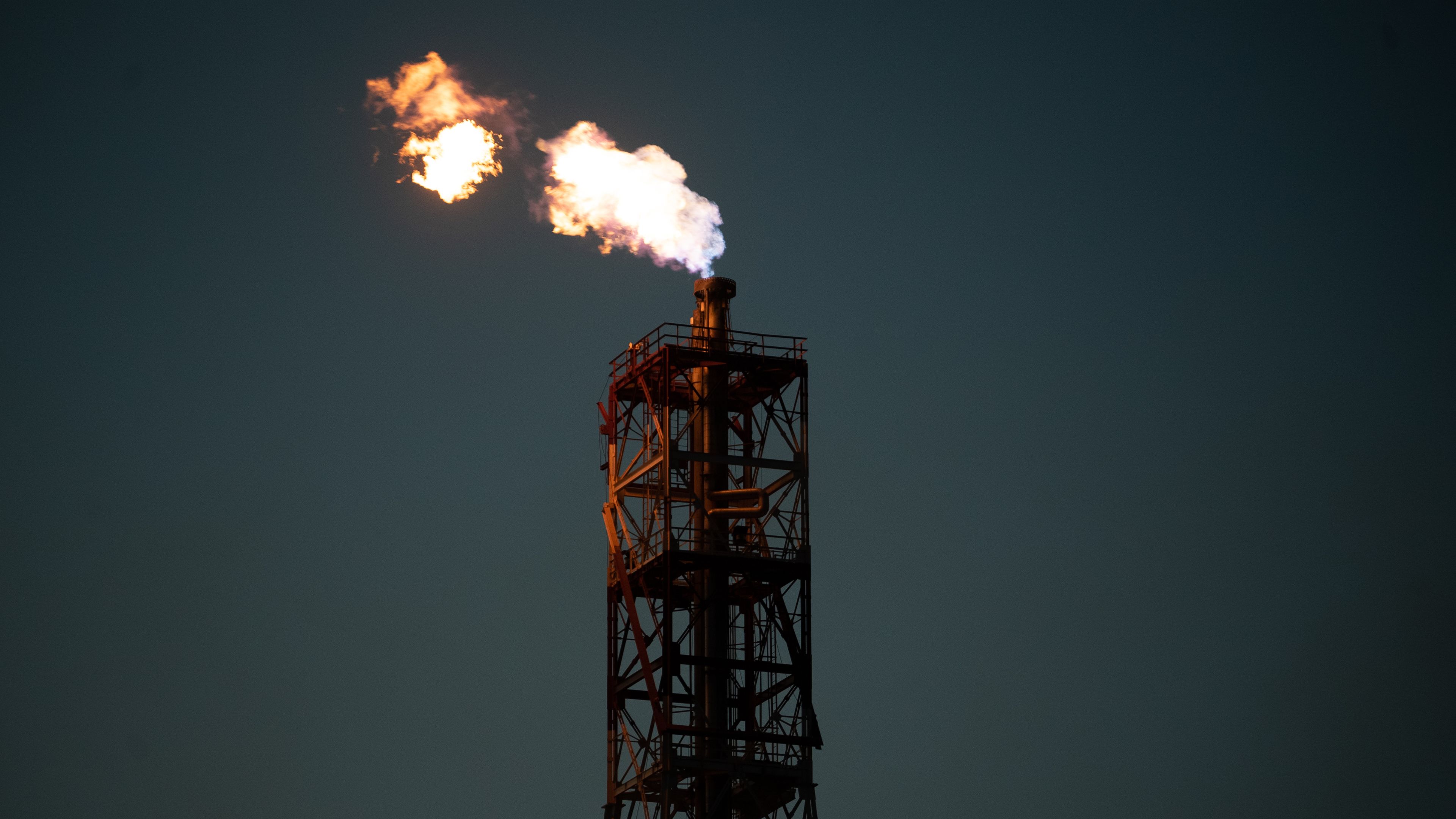
UAE Says It Intercepted a Missile and Drone Swarm — Iran Denies, Markets Jitter
The UAE reported intercepting missiles and drones near Fujairah; Tehran denies involvement. Early market and diplomatic reactions paint sharply different pictures.
Read the story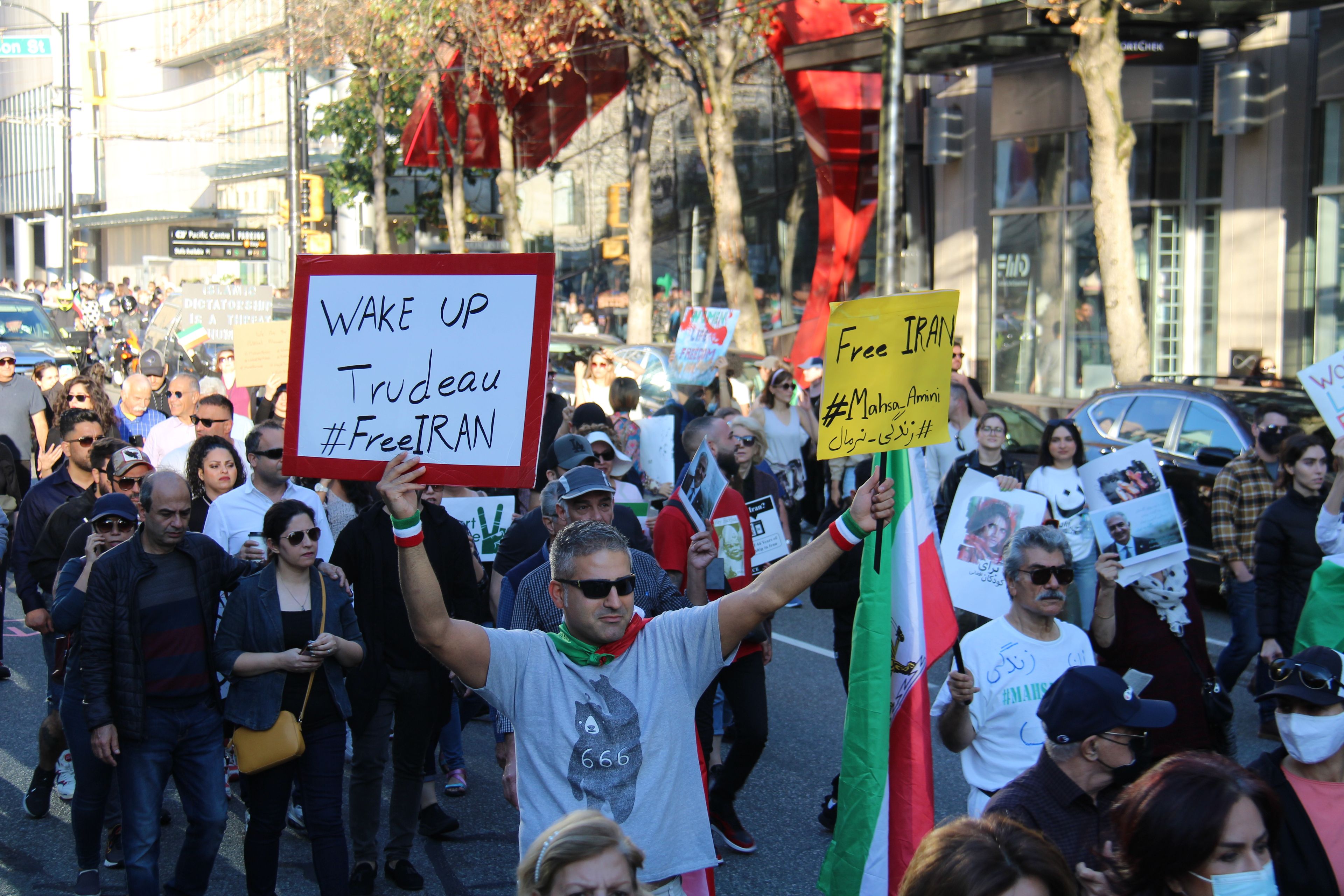
Iran Reviews U.S. Reply to 14‑Point Ceasefire Plan: Diplomacy or Political Theater?
Iran says it has received a U.S. response to a 14‑point plan to end the war — a procedural step that could be meaningful only if mediators and operational guarantees translate public rhetoric into enforceable terms.
Read the story