
Iran Reviews U.S. Reply to 14‑Point Ceasefire Plan: Diplomacy or Political Theater?
Iran says it has received a U.S. response to a 14‑point plan to end the war — a procedural step that could be meaningful only if mediators and operational guarantees translate public rhetoric into enforceable terms.
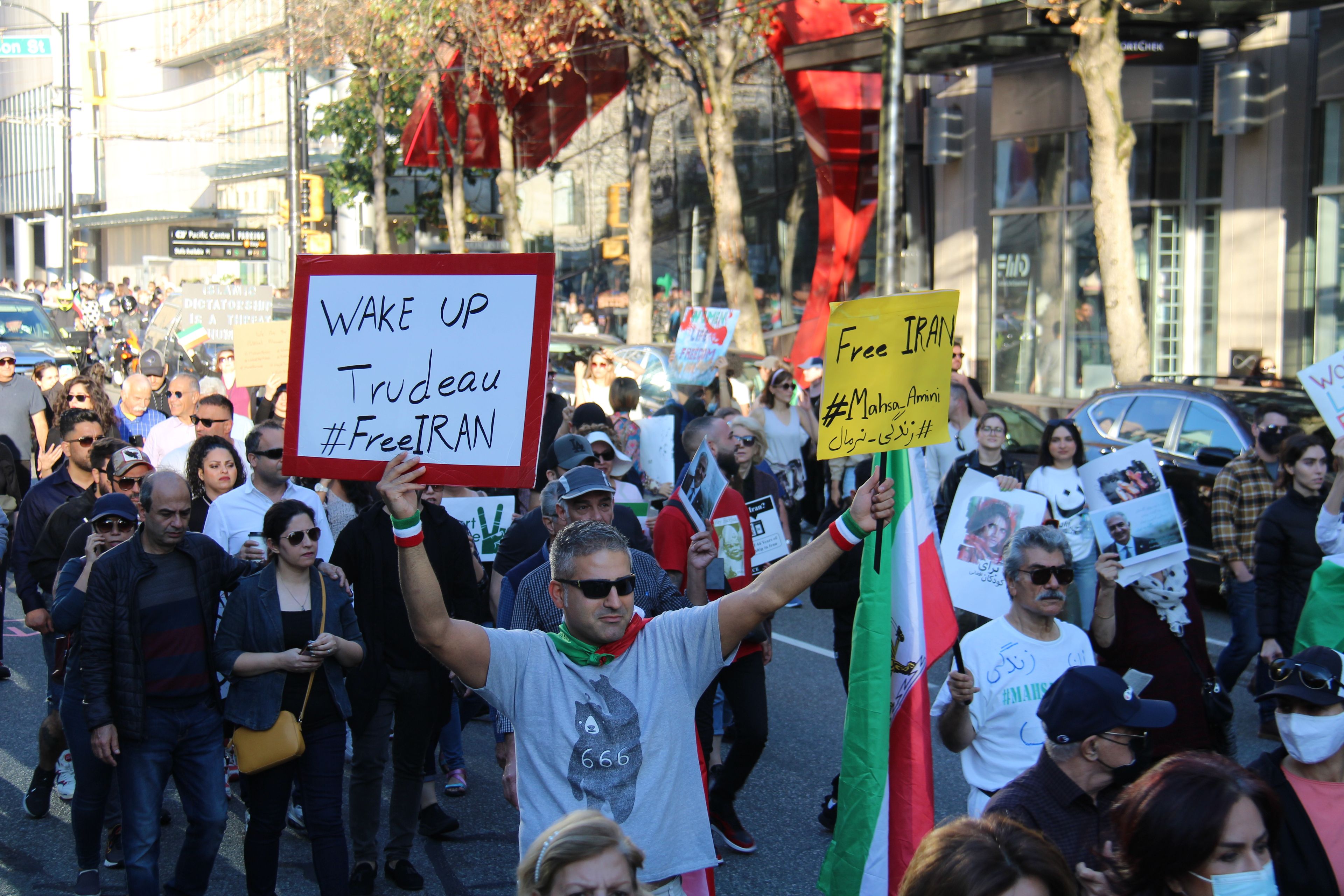
The Iranian government says it has received a U.S. response to a 14‑point proposal aimed at ending the war — a development that, on paper, looks like a diplomatic opening. On the ground and in political capitals, outlets tell divergent stories: Tehran frames the exchange as a step toward peace; Washington and allied voices signal skepticism or strategic hedging.
What Actually Happened
- Iran's foreign ministry said it had received a U.S. reply to Tehran's 14‑point plan for a ceasefire and an end to hostilities.
- The Iranian account says the response was delivered via Pakistan and is under review in Tehran; Washington has not issued a formal confirmation of the delivery.
- U.S. President Donald Trump publicly described the proposal as "unacceptable" in remarks to Israeli media and warned military options remain on the table. Related coverage: Trump Threatens to Restart Strikes on Iran: Posturing or Precursor?.
Four Newsrooms, Four Angles
According to Reuters (primary reporting on the diplomatic exchange), Iranian officials say the U.S. response was received and is being examined in Tehran — a possible procedural step toward negotiation. Reuters frames this as a fact-driven update, noting both Tehran's claims and the absence of formal confirmation from Washington.
According to the BBC, Iranian state‑linked agencies reported the receipt and outlined Tehran's demands — including withdrawal of forces near Iran's borders, an end to blockades on Iranian ports and a 30‑day timeline for concluding an agreement. The BBC emphasizes contrasting public messaging from the White House and President Trump, who publicly expressed dismissiveness and left open the option of resumed strikes.
According to Al Jazeera's live coverage, regional actors and mediators (including Pakistan) are being listed as conduits for the exchange, while the story's evolution is tied closely to humanitarian and shipping pressures in the Strait of Hormuz. Al Jazeera foregrounds the mediation angle and the risk that renewed naval restrictions could amplify economic fallout.
According to RFE/RL, reporting adds the operational context: enforcement of a U.S.-led naval blockade has already redirected commercial shipping and driven oil‑market volatility, complicating any diplomatic window. RFE/RL highlights how differences over nuclear inspections and maritime controls remain sticky negotiating points.
The Angles You Won't See on Page One
-
Iranian domestic outlets and state‑linked agencies present the exchange as a sober, bureaucratic step: "We received a response; now we will review it." That framing treats the exchange as an extension of diplomacy rather than a headline‑grabbing concession.
-
U.S. political rhetoric — especially from the president and his public comments — signals negotiation is conditioned on a political performance: the White House rhetoric frames Tehran as needing to "pay a price," which narrows the room for compromise in public view.
-
Regional mediators (Pakistan, Gulf states) and commercial shipping interests are less visible in Western headlines but central to outcomes: if maritime controls and port access remain contested, any ceasefire will be brittle. Trade and logistics stakeholders see negotiation as its own operational crisis management task, not a pure political one.
-
Civilian humanitarian concerns — displacement, blockade effects, and critical supply chains (food, fertiliser, fuel) — often receive paragraph‑level mentions in live coverage but are not being centered as determinative negotiating levers.
What This Means for Readers
What looks like a single, clarifying fact — "Washington has replied" — is actually a pivot point for multiple, competing narratives. For Tehran, a received reply can be presented as validation of diplomatic channels and used to pressure the U.S. for public concession. For the U.S. executive branch, public skepticism buys domestic political cover while preserving coercive options. For regional actors and commercial stakeholders, the exchange is procedural only if it yields operational guarantees for ports and shipping lanes.
The gap in coverage is twofold: outlets either treat the story as a narrow diplomatic note (who said what when) or as a geopolitical tease (will this lead to peace or to renewed strikes). Rarely do reports connect that diplomatic choreography to the granular operational realities — shipping reroutes, humanitarian bottlenecks, and the domestic political calculations that make any deal fragile.
Readers should therefore treat the current reports as a signal that negotiation channels remain open, not as evidence that an agreement is imminent. The more telling indicators will be follow‑up, technical agreements on inspections and maritime access, and whether mediators can lock in implementation details that survive public posturing.
Sources & Further Reading
-
Reuters: straight reporting on Tehran's statement that it received a U.S. response and immediate political reactions.
-
BBC: summary of statements from Iranian officials and U.S. political remarks, with context on timelines and legal questions.
-
Al Jazeera: live regional coverage emphasizing mediation channels and humanitarian context.
-
RFE/RL: analytical updates on commercial shipping impacts, blockade enforcement and long‑term operational implications. Excerpt: Iran says it has received a U.S. response to a 14‑point plan to end the war — a procedural step that could be meaningful only if mediators and operational guarantees translate public rhetoric into enforceable terms.
Related stories
Markets Rally After Report U.S. and Iran Near One-Page Memo to End War
Markets jumped and oil prices fell after reports that the U.S. and Iran are close to a one-page memorandum that could end the regional war, though key details remain contested.
Read the story
Iran’s ‘Peace Offer’ or Political Signal? A Proposal, a Response, and Two Competing Stories
A diplomatic exchange between Tehran and Washington has produced competing narratives: breakthrough or political signal? We parse the facts and the missing perspectives.
Read the story
Trump Threatens to Restart Strikes on Iran: Posturing or Precursor?
President Trump warned the U.S. could "restart strikes" on Iran — strategic posturing or a dangerous escalation that could reshape trade and diplomacy.
Read the story