
When Frustration Becomes Loyalty: Why Some Civilians in Lebanon Are Turning to Hezbollah
As frontlines shift and the ceasefire frays, communities in southern Lebanon are increasingly looking to Hezbollah not just as a militia, but as a provider of protection and services.
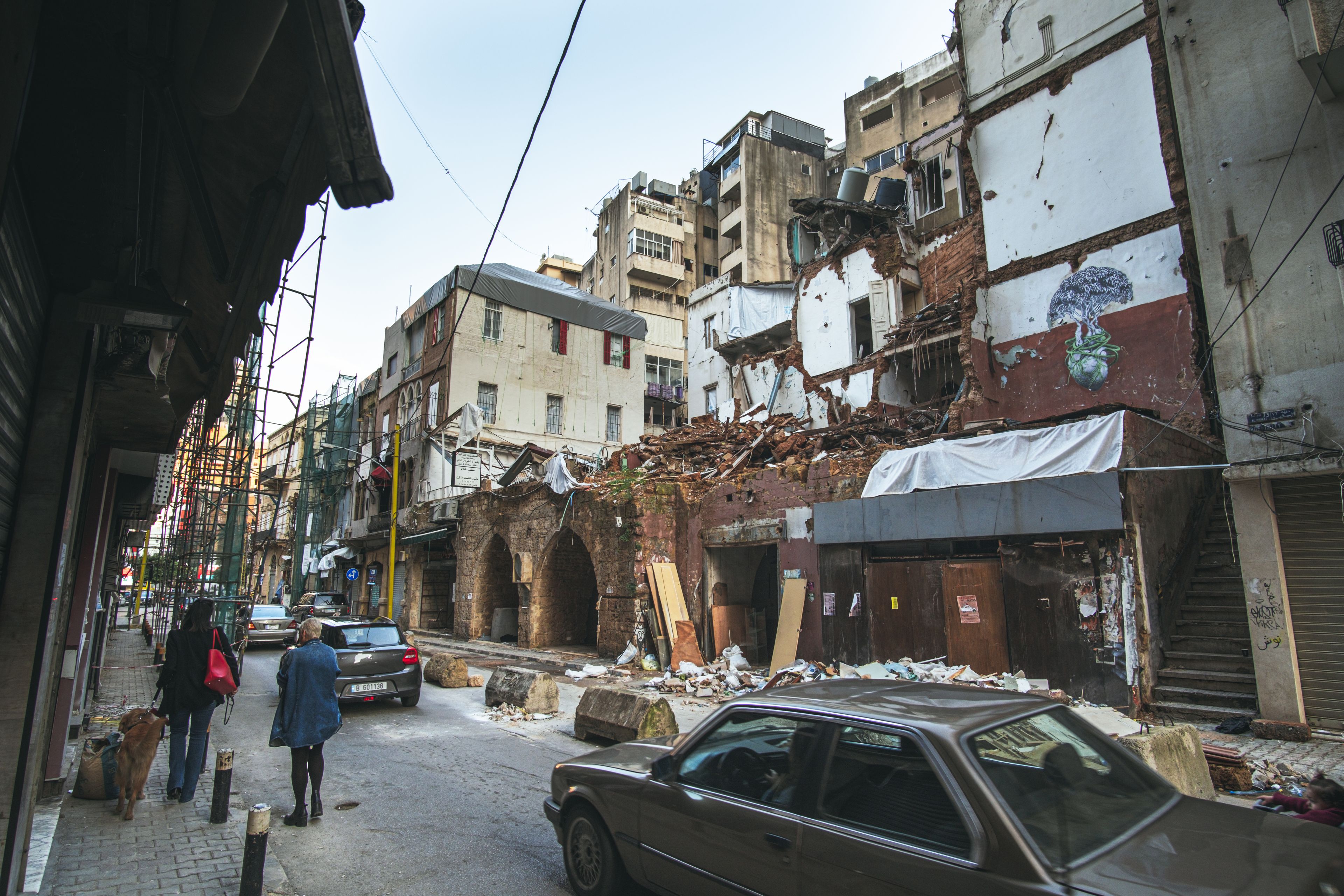
When Frustration Becomes Loyalty: Why Some Civilians in Lebanon Are Turning to Hezbollah
As frontlines shift and the ceasefire frays, communities in southern Lebanon are increasingly looking to Hezbollah not just as a militia, but as a provider of protection and services. The shift is small in numbers but large in meaning: where the state and international aid have faltered, local allegiances are reshaping how the conflict is experienced and reported. This connects to a story we covered earlier: Ceasefire or Cover? Conflicting Accounts After Strikes in Southern Lebanon.
What's Beyond Dispute
- Heavy Israeli operations in southern Lebanon and repeated civilian displacements have intensified local insecurity.
- Surveys and on-the-ground reporting show rising local reliance on Hezbollah for protection, aid distribution, and conflict mediation.
- International coverage emphasizes military strategy and diplomacy; local reporting emphasizes daily survival and security choices.
The Coverage, Compared
According to The New York Times, analysts and some local residents describe a growing pragmatism: Hezbollah is being seen less as an ideological guarantee and more as an immediately available source of protection in areas where state services have collapsed. The Times emphasizes how battlefield dynamics and community protection concerns drive this shift.
BBC reporting centers on the diplomatic and geopolitical fallout — ceasefires, international pressure, and the broader Israeli–Iranian proxy contest. The BBC frames Hezbollah primarily as an actor in a regional power struggle, focusing on how its activities influence negotiations and military calculations.
Al Jazeera highlights civilian stories and humanitarian consequences, documenting the human cost of operations in southern towns and villages and foregrounding residents' testimonies about security gaps. Local Lebanese outlets and social reporting emphasize that, for many families, practical protection and humanitarian aid matter more than high-level debates.
The Overlooked Perspectives
- Local municipal leaders interviewed by regional reporters describe coordination challenges — they often cannot request or guarantee protection from state forces, and informal arrangements with militias fill the void.
- Humanitarian NGOs report access and distribution problems: when aid flows through non-state actors, perceptions of neutrality collapse and long-term dependency can grow.
- Diaspora commentary and social-media threads show a different emotional register: anger at abandonment by national institutions, and cautious acceptance that local militias may be the only realistic interim custodians of safety.
"For many people here, safety is immediate — not ideological. If someone knocks on your door and can stop a shelling or bring food, politics becomes secondary," a community leader told local reporters.
What This Means for Readers
The gap between global reporting and local realities lies in scale and priorities. International outlets prioritize geopolitical actors, strategic balance, and ceasefire mechanics. Local populations prioritize daily survival and pragmatic security choices. That divergence creates a reporting blind spot: an overemphasis on strategy can obscure how loyalties shift when public services fail.
Why this matters: narratives shape policy. If diplomats and donors see a region only through the lens of strategy, they may underinvest in civilian protection and services — the very deficits that drive communities toward non-state actors. Reporting that centers both the geopolitical frame and the lived experience of civilians would paint a clearer map for policy and humanitarian response.
Sources & Further Reading
- The New York Times: reporting on shifting local allegiances and protection dynamics
- BBC: diplomatic and strategic framing of ceasefires and external actors
- Al Jazeera: humanitarian reporting and civilian testimony
- Local Lebanese outlets / NGO bulletins: on-the-ground service and access details
Source: https://www.nytimes.com/2026/05/01/world/middleeast/lebanon-hezbollah-ceasefire-israel.html (The New York Times)
- middle east
- hezbollah
- lebanon
- civilians
- reporting
Related stories
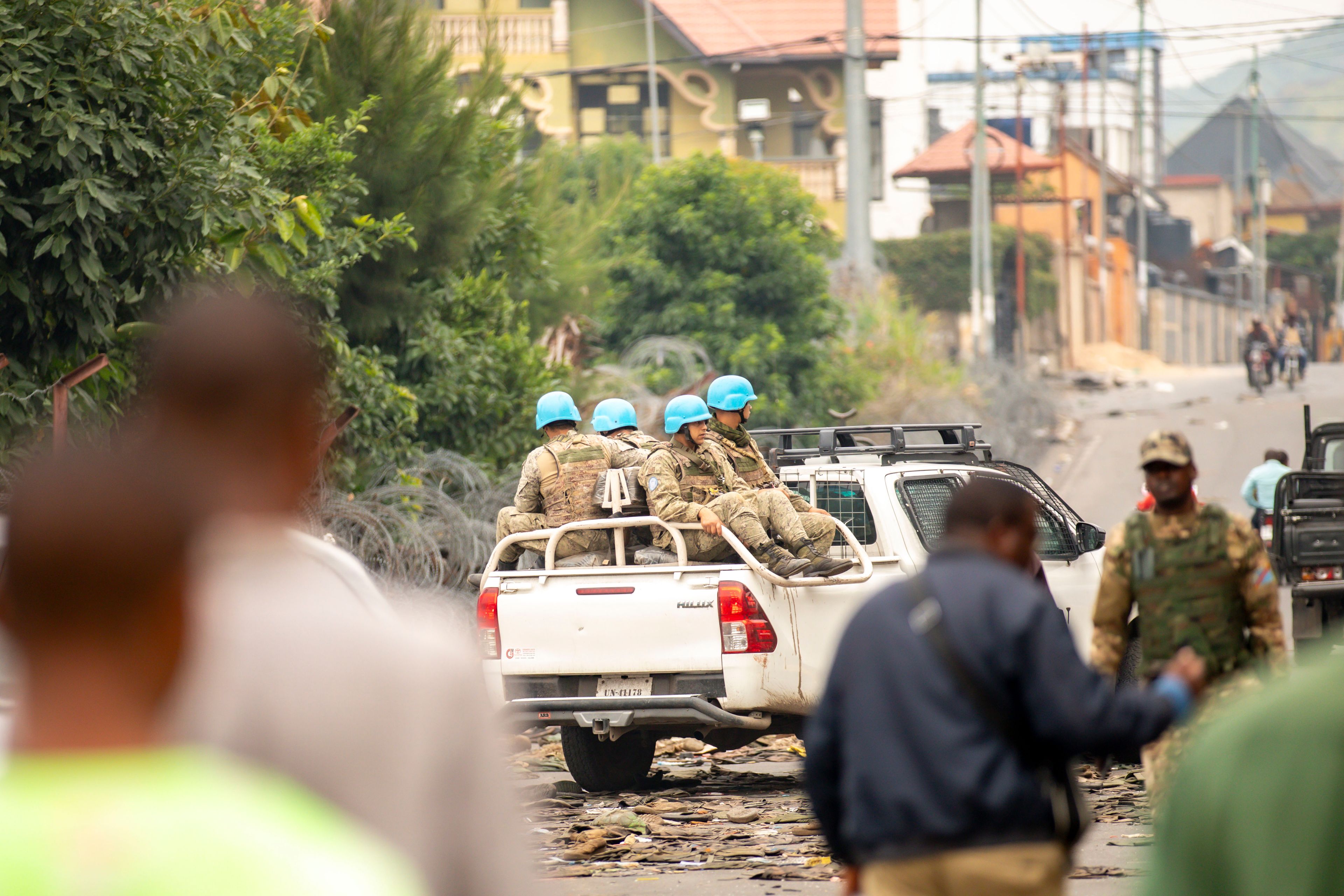
China Urges Reversal of UNIFIL Withdrawal: Stability or Strategic Signal?
China has called on the UN Security Council to reconsider withdrawing UN peacekeepers from Lebanon, citing rising violence and peacekeeper casualties.
Read the story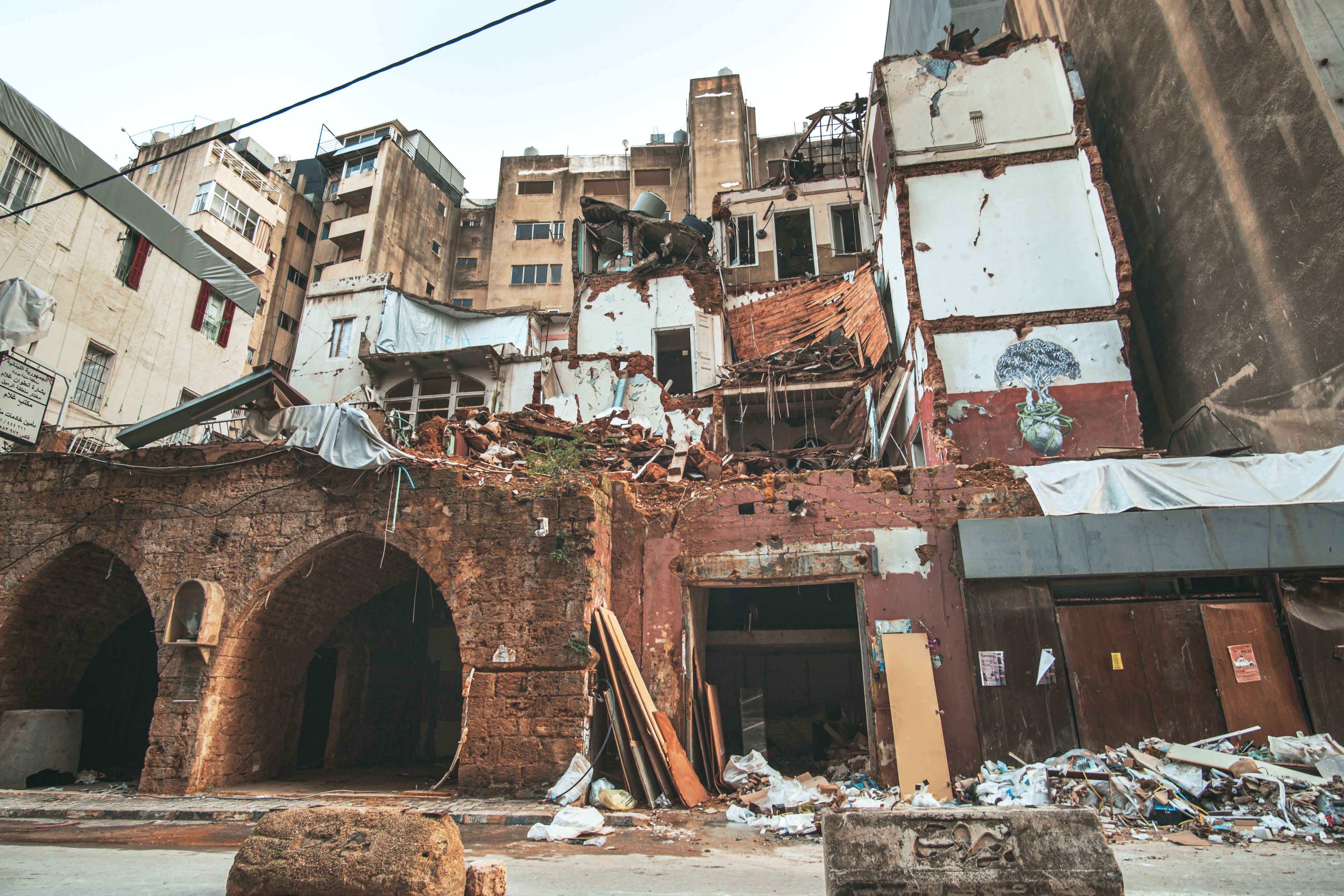
Ceasefire or Cover? Conflicting Accounts After Strikes in Southern Lebanon
A series of strikes in southern Lebanon has left civilians dead and governments trading sharply different accounts.
Read the story
The $25 Loophole Sending Wild Mustangs to Slaughter
A legal loophole lets the government sell protected mustangs for as little as $25. Coverage splits between an NYT investigation, BLM's flat denial, and advocates' data.
Read the story