
China Urges Reversal of UNIFIL Withdrawal: Stability or Strategic Signal?
China has called on the UN Security Council to reconsider withdrawing UN peacekeepers from Lebanon, citing rising violence and peacekeeper casualties.
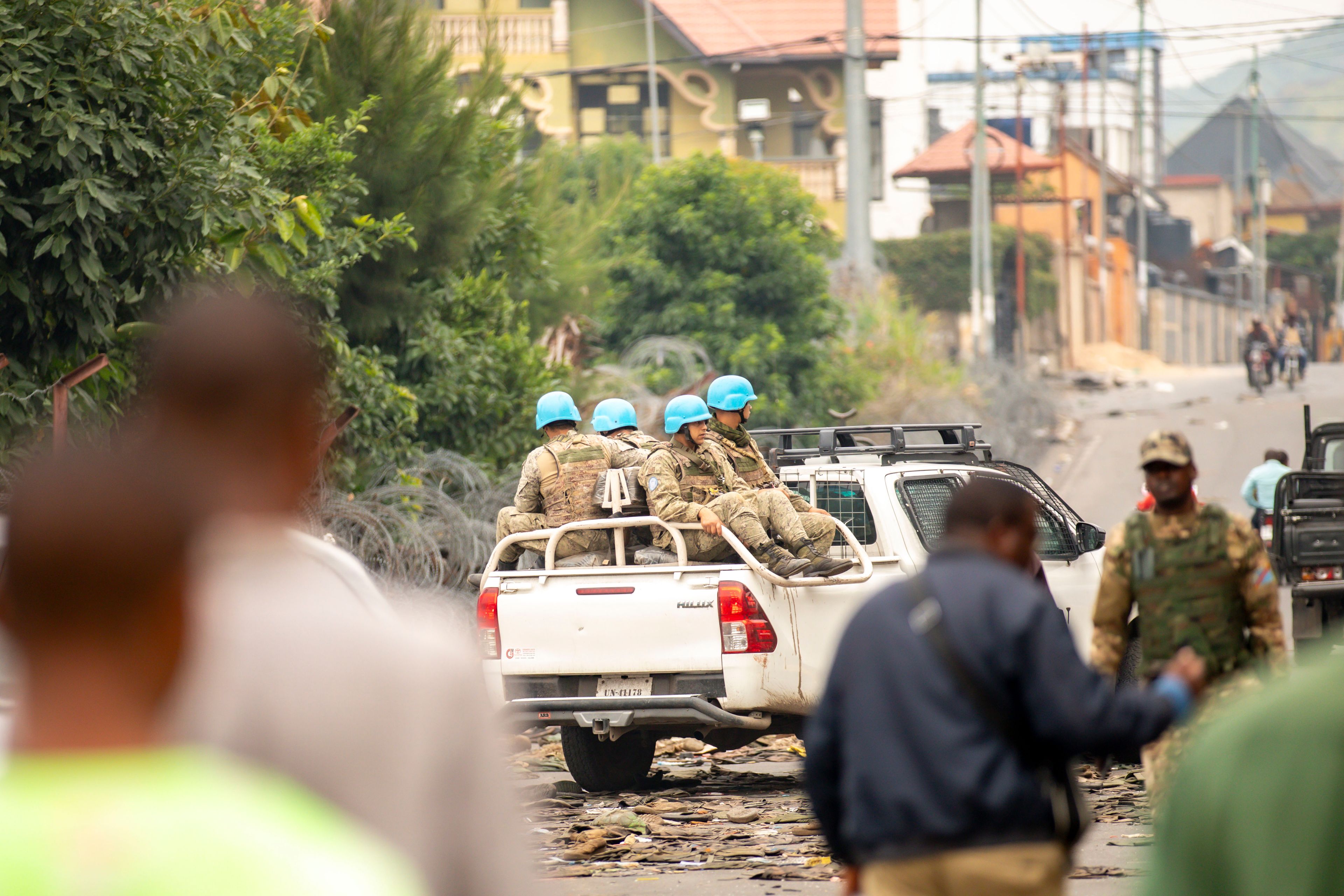
The United Nations is facing a rare public rebuke from China after Beijing, which holds the Security Council presidency this month, urged a reconsideration of plans to withdraw the UN Interim Force in Lebanon (UNIFIL). The move exposes competing narratives about whether peacekeepers are still preventing wider war — or whether their presence merely papered over deeper political fractures.
What's Beyond Dispute
- China’s UN ambassador Fu Cong publicly called on the Security Council to “revisit” the decision to withdraw UNIFIL, citing rising violence and peacekeeper casualties (Al Jazeera, May 2, 2026).
- The UN had previously resolved to begin a phased withdrawal of UNIFIL by the end of 2026 after long debate over the mission’s mandate.
- Attacks since March have killed thousands in Lebanon and prompted mass displacement; UN officials report several peacekeepers killed or injured amid clashes.
Related coverage: Ceasefire or Cover? Conflicting Accounts After Strikes in Southern Lebanon.
The Coverage, Compared
According to Al Jazeera, China's statement frames the issue as one of immediate safety: UNIFIL's presence, the outlet reports, continues to be needed to protect civilians and to provide a buffer between Israel and Hezbollah.
According to Reuters reporting, other diplomats see Beijing’s intervention as partly political: revisiting UNIFIL’s timetable is, some argue, a bid to assert influence at the UN and to shape the narrative around the conflict's regionalization.
According to the Security Council Report and coverage in News18, pro-withdrawal advocates argue the mission had outlived its mandate and that an extended international footprint risks entangling contributors in an unwinnable local fight.
These accounts are not mutually exclusive. On-the-ground security needs exist alongside strategic calculations by permanent Security Council members. The headlines, however, often collapse those two threads into a single, tidy framing — "safety vs. withdrawal" — missing how they reinforce each other.
What Local and Independent Reporting Adds
Local Lebanese municipal officials and humanitarian NGOs, quoted intermittently in regional reporting, present a more granular picture: UNIFIL’s patrols provide limited but meaningful protection for supply convoys and de‑mining teams; yet many communities feel abandoned by international diplomacy and distrustful of both Israeli and Lebanese actors. These local voices — visible in regional Arabic outlets and NGO briefings — emphasize the mission’s uneven footprint: some border villages see regular patrols, others see none.
Meanwhile, smaller Security Council member-states that contribute troops (from Asia, Africa, and Europe) raise operational concerns rarely covered in headline summaries: casualty figures, rules-of-engagement limits, and the political cost of keeping troops in harm’s way without a clear exit strategy.
Finally, regional powers’ domestic politics shape their public posture. China's call coincides with its UNSC presidency for May — a rare platform that Beijing can use to push political capital and narrative control, especially as Western outlets often foreground Israeli security concerns while regional outlets foreground Lebanese civilian harm.
The Fuller Picture
The real story here is not simply whether UNIFIL should stay or go; it's that reporting often separates technical operational questions (how to keep peacekeepers safe, where to direct patrols) from geopolitical storytelling (which great power benefits from prolonging or ending a mission). That gap produces a false choice: safety vs. sovereignty when in reality the options are entangled.
Recognizing the gap reframes the debate. If policymakers want durable stability, they must address both local protection gaps and the political incentives of powerful Security Council members. Practical steps would include rethinking rules of engagement to protect de‑mining and aid convoys, a clearer timeline and benchmarks for troop contributions, and a diplomatic track that pairs withdrawal planning with local governance and humanitarian guarantees.
For readers, the takeaway is simple but important: treat each headline about "withdrawal" as a layered argument — tactical, political, and humanitarian — and ask which layer their outlet is prioritizing. This habit makes it harder for single-issue frames to dominate the conversation and clarifies what trade-offs are actually on the table.
Sources & Further Reading
-
Al Jazeera: reporting on China’s public call and frontline casualty figures.
-
Reuters: diplomatic context and quotes from Security Council diplomats.
-
Security Council Report (PDF): analysis of mandate timelines and member-state positions.
-
News18: regional take emphasizing the humanitarian framing.
Related stories
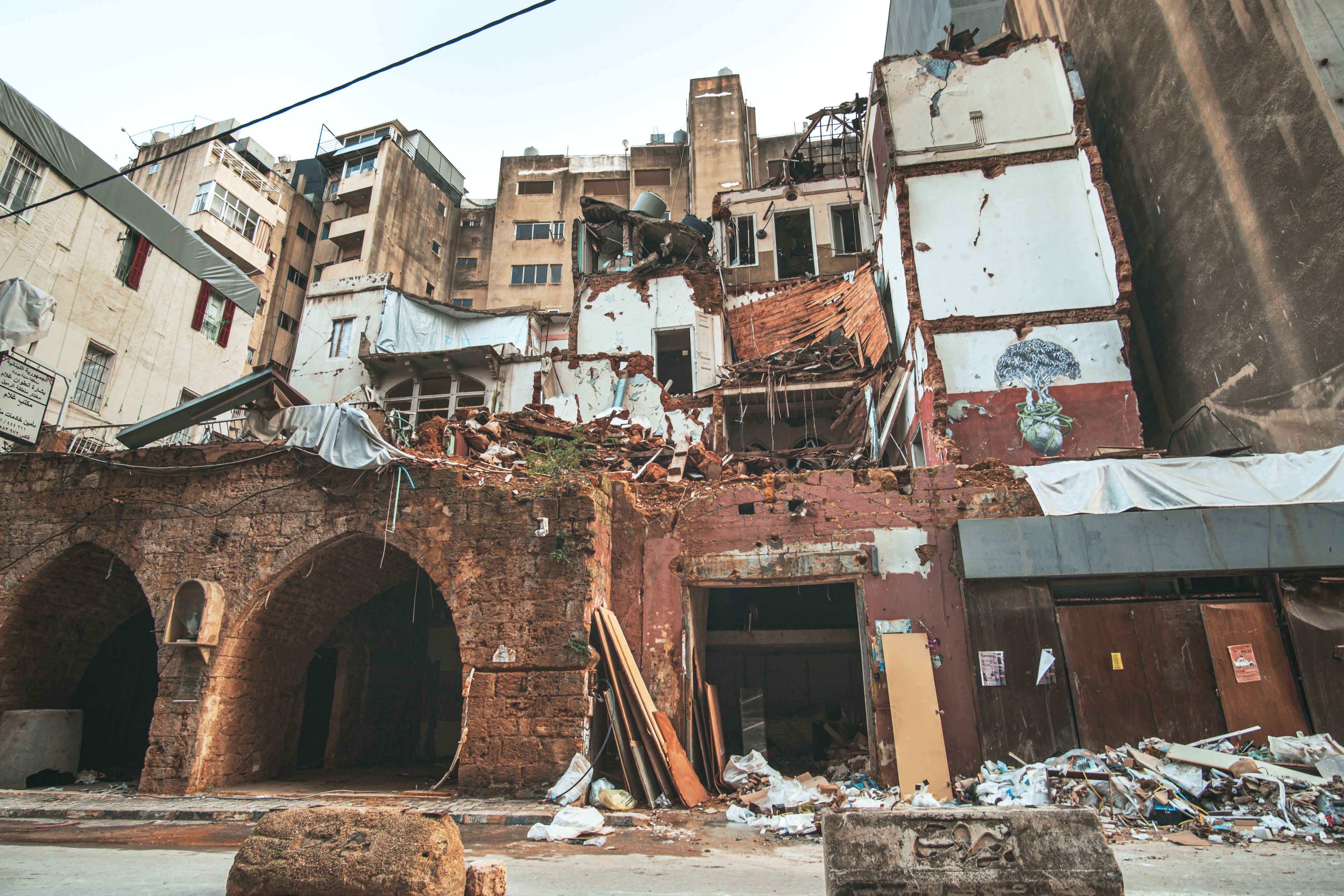
Ceasefire or Cover? Conflicting Accounts After Strikes in Southern Lebanon
A series of strikes in southern Lebanon has left civilians dead and governments trading sharply different accounts.
Read the story
The Peru Pivot: When Fighter Jets Trump Democratic Stability
Peru is facing a constitutional crisis after US warnings over a delayed F-16 deal. Is defense more important than social stability?
Read the story
Iran War May Trigger Food Shortages Across Africa
The US-Iran war disrupts fertilizer supply, threatening crop yields and food security in Africa, warns the world's largest fertilizer firm.
Read the story