
Ceasefire or Cover? Conflicting Accounts After Strikes in Southern Lebanon
A series of strikes in southern Lebanon has left civilians dead and governments trading sharply different accounts.
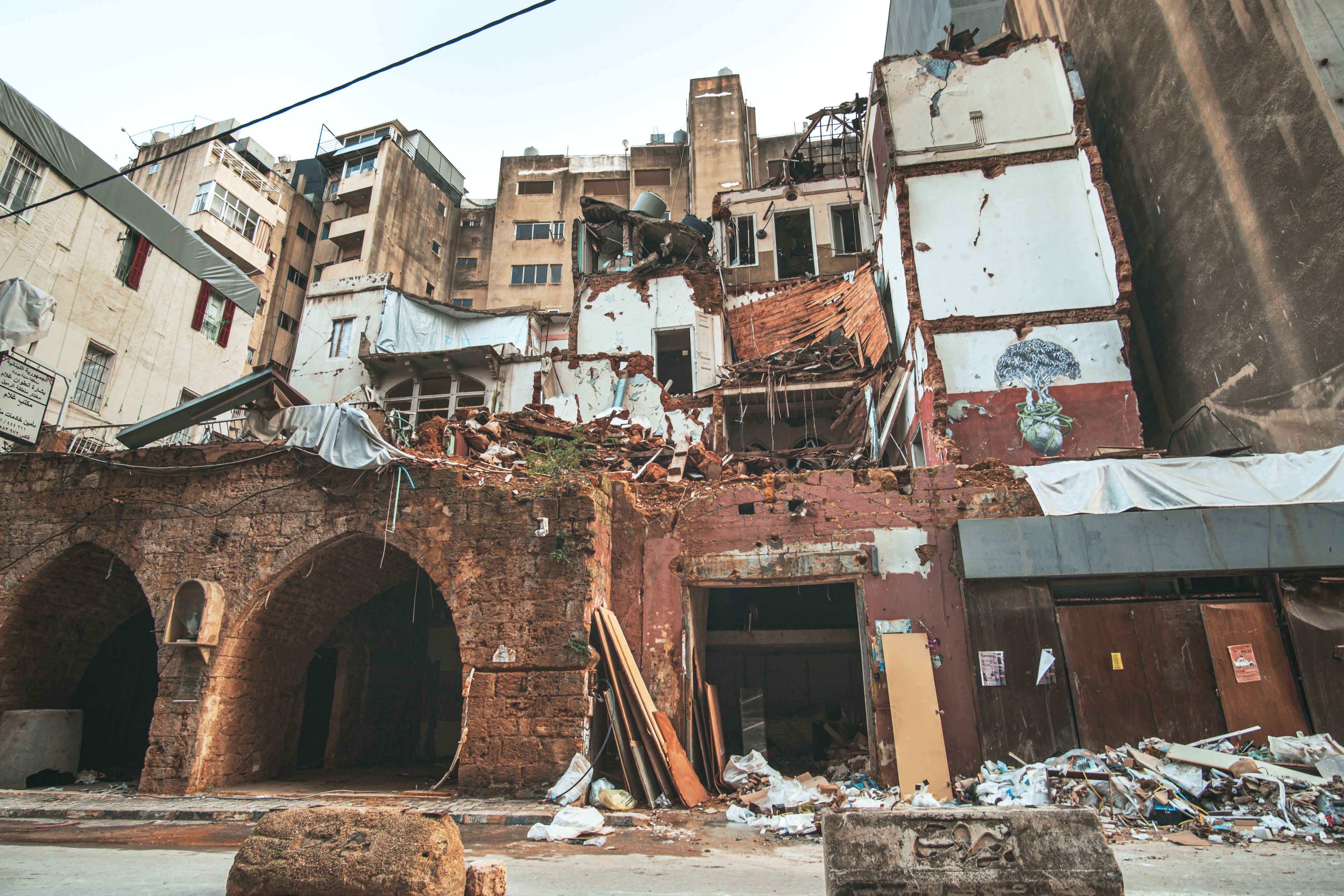
A series of strikes in southern Lebanon has left civilians dead and governments trading sharply different accounts of what happened. The mainstream thread—focused on militant targets and tactical necessity—clashes with local reporting that emphasises civilian harm, broken ceasefires and long-term displacement.
What We Know
- Israeli forces carried out strikes in southern Lebanon on 30–31 April 2026.
- Local authorities and hospitals report civilian casualties, including children and women.
- Israel says the strikes targeted militant infrastructure and were in response to cross-border attacks. Background from our archive: A Glimmer of Hope or a Brief Pause? Inside the US-Iran Ceasefire.
How the Headlines Diverge
According to The New York Times ("As Israel Entrenches, Frustration With Hezbollah Turns to Support"), the strikes are framed as part of a targeted campaign against armed groups operating near the border, and the reporting emphasises strategic aims and military justifications. The Times quotes officials and analysts who say Israel is attempting to degrade Hezbollah’s capabilities while managing wider diplomatic fallout.
According to the BBC ("Deadly Israeli strikes on southern Lebanon despite ceasefire"), government and military statements stress precision and self-defence, but reporting also records immediate civilian tolls and quotes international calls for restraint. The BBC highlights the diplomatic choreography — ceasefire language alongside continued operations.
According to Al Jazeera ("Woman killed, children injured as Israel attacks Lebanon"), local witnesses and humanitarian agencies emphasise displacement, civilian panic and what they describe as indiscriminate effects on towns and villages. Al Jazeera foregrounds on-the-ground testimony and regional political context, including criticism that international ceasefire declarations have not translated into protection for civilians.
The difference is not just emphasis: it is which sources are considered primary. Western outlets often foreground military and policy sources; regional outlets give more weight to local hospitals, municipalities and humanitarian organisations.
Beyond the Wire Copy
- Local municipal records and hospital logs (often cited by regional press) show a pattern of repeated civilian exposure that can be missed when reporting privileges official military accounts.
- Aid organisations on the ground point to disrupted supply lines and shelter shortages — consequences that rarely make early strategic narratives.
- Regional diplomats and smaller international outlets raise questions about whether the tactical gains cited by militaries account for the long-term humanitarian and political costs of repeated strikes.
These perspectives matter because they shift the frame from short-term battlefield metrics (military capability degraded, militants dispersed) to human security and political legitimacy — the metrics that determine whether ceasefires hold or violence regenerates.
Why the Gap Matters
Reporting on cross-border strikes routinely suffers from a perspective gap: outlets that rely on government and military sources understandably explain operations in strategic terms, while local and regional reporting reveals the human and political fallout those operations create. Both accounts can be "true" at the same time, but they answer different questions.
Why the gap persists: fast-breaking war reporting privileges immediately available sources — military briefings, statements from diplomats, and market-facing analysis. Local actors (mayors, clinics, aid workers) are harder to reach quickly, and their testimony is often treated as anecdote rather than primary data. That asymmetry favours narratives that naturalise military logic and undercounts the long-term costs to civilians and governance.
What readers should take away: treat tactical claims and civilian-impact reporting as complementary, not competing. The strategic account explains what militaries sought to achieve; the local account explains what the operation actually did. In an environment where ceasefires are fragile and public trust is low, the long-term consequences shown by local sources should carry equal weight in how policy and public opinion form.
Sources & Further Reading
-
The New York Times: strategic and policy framing
-
BBC: international diplomacy and civilian tolls
-
Al Jazeera: local witnesses and humanitarian perspective
SOURCES
- The New York Times: https://www.nytimes.com/2026/05/01/world/middleeast/lebanon-hezbollah-ceasefire-israel.html — Framing of the strikes and strategic analysis
- BBC: https://www.bbc.com/news/articles/cq5pepj21g8o — Civilian casualty reports and ceasefire tension
- Al Jazeera: https://www.aljazeera.com/news/2026/5/1/woman-killed-children-injured-as-israel-attacks-lebanon — Local witnesses and humanitarian impact
SOURCE_NAME: The New York Times
SOURCE_URL: https://www.nytimes.com/2026/05/01/world/middleeast/lebanon-hezbollah-ceasefire-israel.html
- geopolitics
- lebanon
- israel
- conflict
- perspective-gap
Related stories

Israel Approves Multi‑Billion F‑35 and F‑15IA Purchase: Deterrence, Aid, or Escalation?
Israel approved a multi‑billion plan to buy F-35 and F-15IA jets, a move framed as deterrence — but analysts warn the procurement masks deeper strategic tradeoffs.
Read the story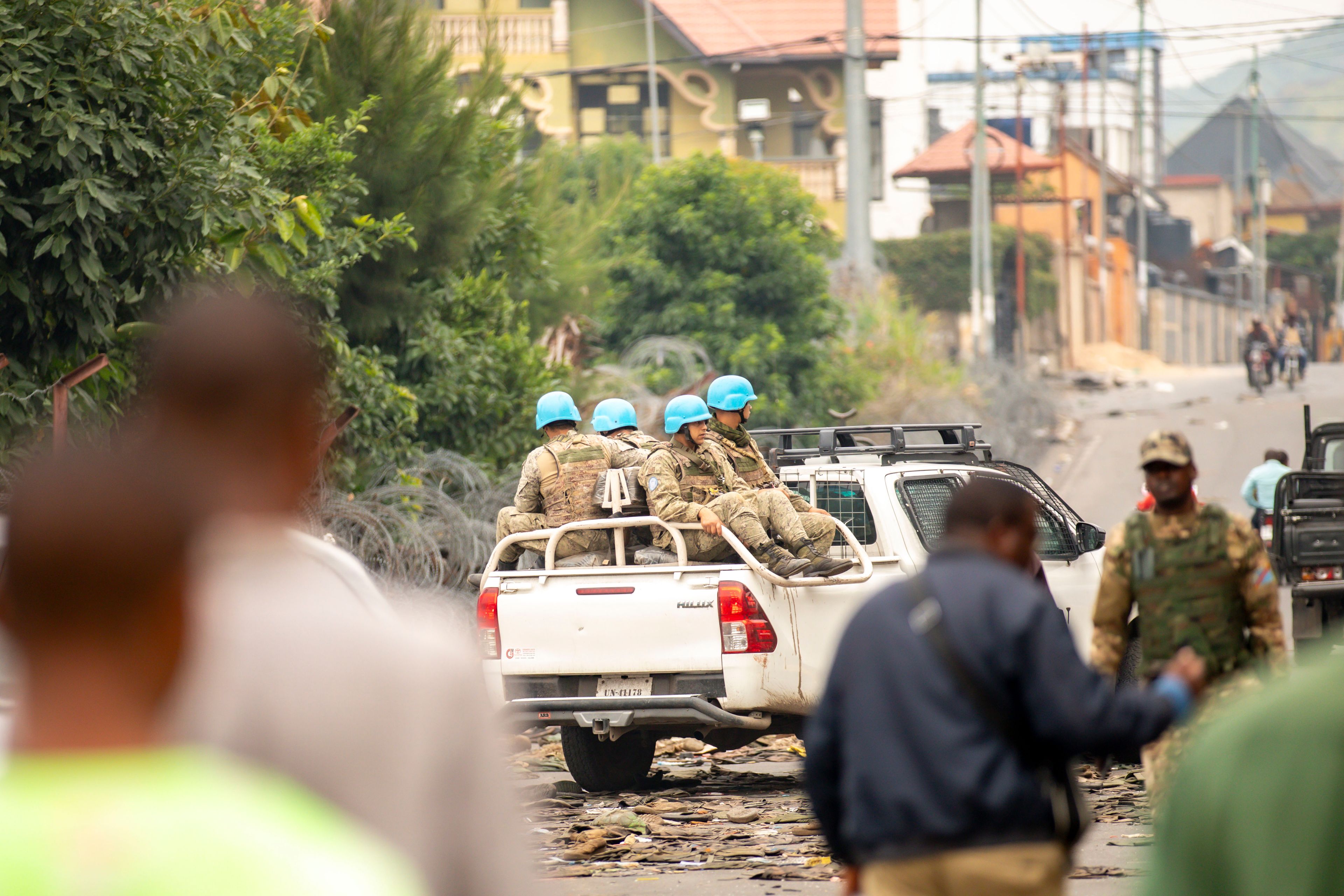
China Urges Reversal of UNIFIL Withdrawal: Stability or Strategic Signal?
China has called on the UN Security Council to reconsider withdrawing UN peacekeepers from Lebanon, citing rising violence and peacekeeper casualties.
Read the story
Venice Biennale Jury Resigns: Culture Clash or Complicity?
Nine days before the Venice Biennale was due to open, the event’s entire jury resigned, citing a decision not to consider countries 'whose leaders are currently charged with crimes against humanity'.
Read the story