
Venice Biennale Jury Resigns: Culture Clash or Complicity?
Nine days before the Venice Biennale was due to open, the event’s entire jury resigned, citing a decision not to consider countries 'whose leaders are currently charged with crimes against humanity'.
Nine days before the Venice Biennale was due to open, the event’s entire jury resigned, citing a decision not to consider countries "whose leaders are currently charged with crimes against humanity" — a move that explicitly put Russia (returning after a controversial absence) and Israel (facing ICC scrutiny) in the spotlight. The festival’s leadership and Italy’s government have offered different explanations, leaving the public to parse whether this was an act of conscience, political pressure, or a surrender by cultural institutions to geopolitical theatre.
First, the Facts
- The Biennale jury announced a collective resignation days before the inauguration and canceled the traditional prize ceremony.
- The jury said it would not consider pavilions from countries whose leaders are charged with crimes against humanity, singling out Russia and Israel.
- Italy’s culture ministry and the Biennale’s organizers have issued conflicting statements about autonomy, government pressure, and the feasibility of excluding national pavilions. See also our reporting on this thread: Ceasefire or Cover? Conflicting Accounts After Strikes in Southern Lebanon.
How the Major Outlets Framed It
-
According to BBC, the jury said it acted in accordance with its prior decision not to consider countries whose leaders face grave charges. BBC frames the resignations as a direct reaction to the return of Russia to the Biennale and the inclusion of countries under heavy international criticism. (BBC: clear focus on the jury’s stated principle and the symbolism of Russia’s return.)
-
According to local Italian coverage and statements from Italy’s prime minister, Giorgia Meloni, the issue is framed as a governance problem: the Biennale is autonomous and should not be subject to political boycotts, even while the government opposes Russia’s participation. (Italy government statements: emphasis on institutional autonomy and legal limits.)
-
According to arts commentators writing in international outlets, the resignations reveal a deeper split inside the cultural sector: some see art as a space that must hold moral lines, while others warn that cultural exclusions hand authoritarian regimes the propaganda victory of portraying themselves as unfairly silenced. (Art-world commentary: warns of the soft-power risks and the limits of symbolic exclusions.)
Beyond the Wire Copy
-
Many citizens and cultural workers in Ukraine and the broader region interpret Russia’s return as an attempt to normalise state behaviour through cultural soft power. Their accounts — often reported in local Ukrainian and Eastern European outlets — emphasize destroyed museums, looted collections, and the lived trauma of artists and communities. Those perspectives are less visible in statements focused on procedural autonomy.
-
Voices inside Italy’s cultural bureaucracy stress legal constraints: national pavilions are property held by states, which complicates unilateral exclusions. This legalistic view is easy to miss in headlines that cast the issue as purely moral. Legal experts note that excluding a pavilion owned by a national authority could create contractual and diplomatic complications that a festival cannot simply adjudicate.
-
Independent curators and activists argue that focusing on the presence or absence of a pavilion misses the human cost — the artists, curators, and museum staff who are often caught between state agendas and tradecraft. Interviews with lesser-known artists and curators show anxiety about being instrumentalised, erased, or tokenised by both boycott campaigns and forced inclusion narratives.
Sources & Further Reading
-
BBC: straight reporting on the resignations and the jury’s rationale
-
(Local Italian statements): government emphasis on institutional autonomy and the Biennale’s legal status
-
Art-world commentary: critiques of both blanket exclusions and cynical normalisation
What This Means for Readers
This resignation is not merely an art-world squabble — it is a crystallised example of a persistent gap between institutional formality and moral expectation. On one side sits the legal-institutional argument: festivals have charters, property rights, and logistical constraints that make blunt moral exclusions messy and legally fraught. On the other sits the moral-political claim: culture cannot be neutral amid mass atrocities and public grief.
The real takeaway is that both positions are partially correct and partially inadequate. The institution’s emphasis on autonomy matters because it protects cultural spaces from capture by short-term politics — but treating autonomy as a shield against ethical accountability turns festivals into theatres of normalisation. Likewise, principled exclusions signal solidarity, but when not accompanied by clear, sustained policies that support affected artists and communities, they risk being performative.
Readers should watch for two things: whether the Biennale’s leadership uses this moment to build transparent policies that protect artists while setting clear ethical lines, and whether governments step back from using cultural institutions as political props. The deeper fix is institutional: create independent mechanisms that can adjudicate participation disputes quickly, fairly, and with clear support for displaced or targeted artists — otherwise, every cultural event will be a battleground for geopolitical theatre.
- Primary reporting source: BBC — https://www.bbc.com/news/articles/c78qdg4g80eo*
- arts
- culture
- geopolitics
- russia
- israel
Related stories
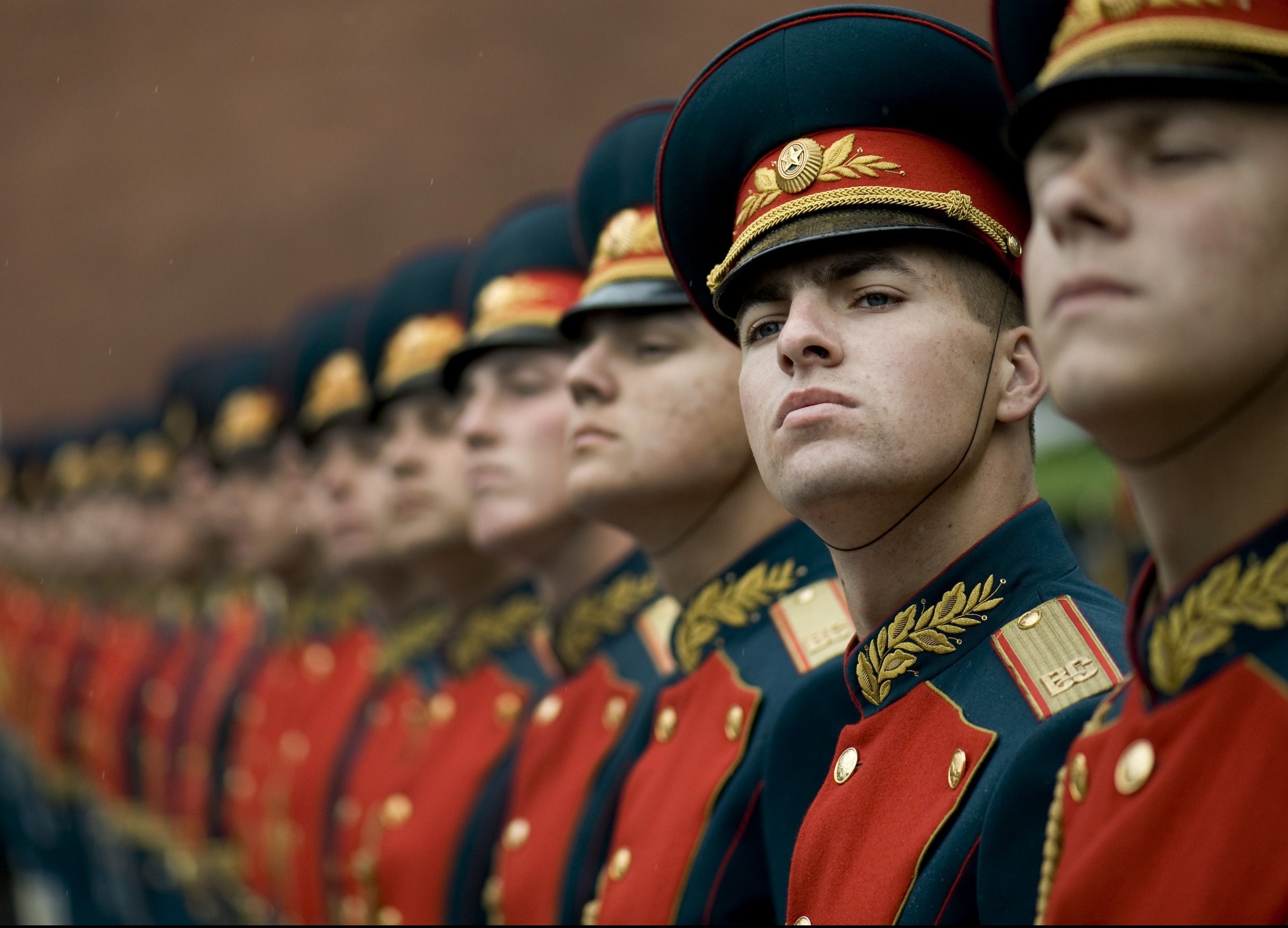
Putin Denounces NATO at Scaled-Back Victory Day Parade: Pageantry, Posturing, and the Two Tellings
Putin used a smaller Victory Day event to frame NATO as a threat and to justify ongoing military policy, a speech that reads differently at home and abroad.
Read the story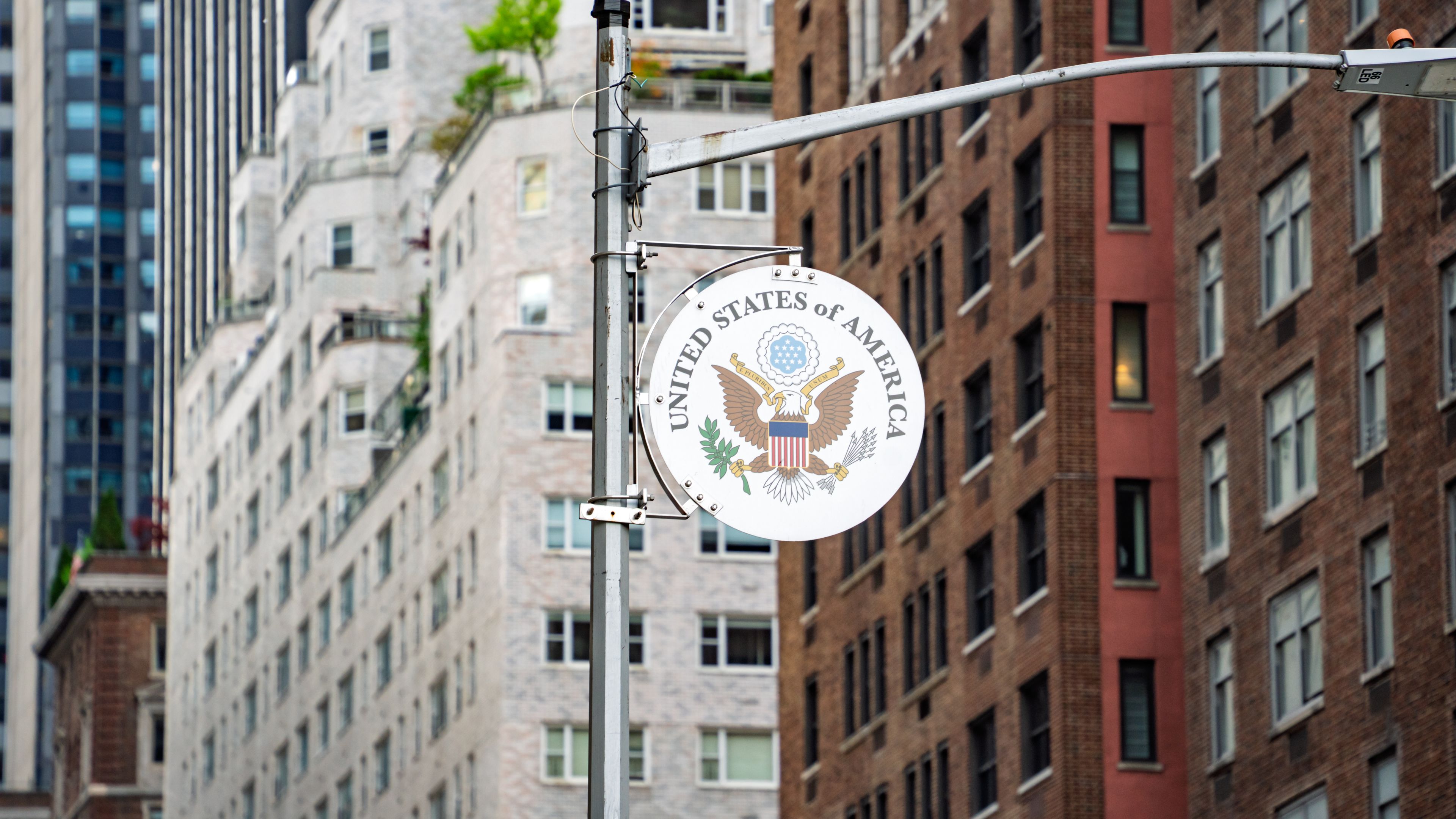
Austria Expels Three Russian Diplomats: Antenna "Forest" or Diplomatic Overreach?
Austria expelled three Russian diplomats after authorities found rooftop antenna arrays on diplomatic buildings; Western outlets call it a signals‑intelligence operation, while Moscow insists the expulsions are politically motivated.
Read the story
Drone Strike Rocks Moscow Ahead of Victory Day: Kremlin Story vs. The Facts
A drone struck a Moscow high-rise days before Victory Day, exposing a widening strike range and clashing official narratives about intent, damage and casualties.
Read the story