
Putin Denounces NATO at Scaled-Back Victory Day Parade: Pageantry, Posturing, and the Two Tellings
Putin used a smaller Victory Day event to frame NATO as a threat and to justify ongoing military policy, a speech that reads differently at home and abroad.
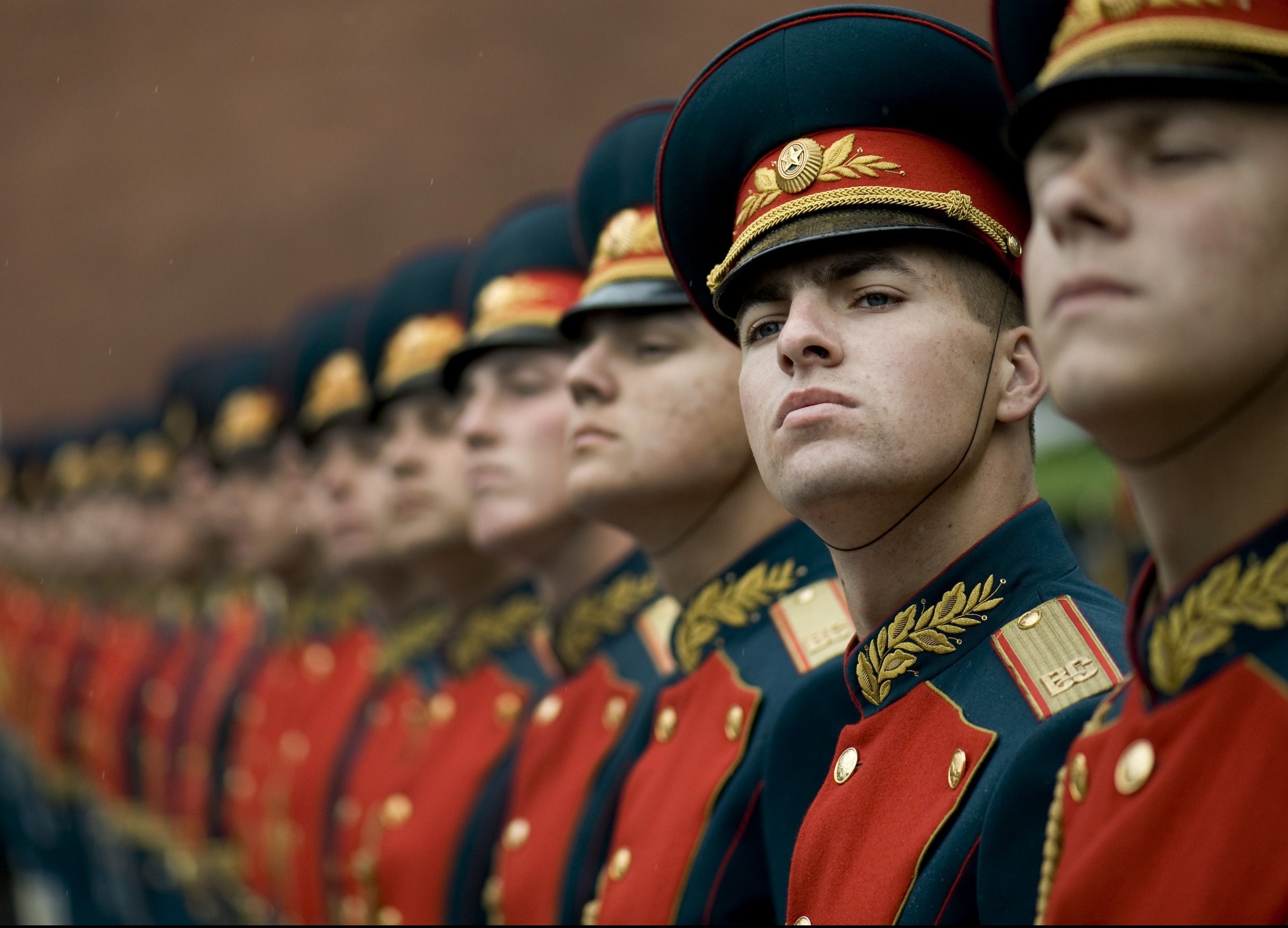
Russia's annual Victory Day address this year was smaller on the ground but louder in rhetoric. Vladimir Putin used the occasion to justify the war in Ukraine and cast NATO as an existential threat, while Western outlets framed the speech as a blend of domestic stagecraft and international saber-rattling. The gulf between those tellings matters: it changes how audiences understand motive, risk, and the space for diplomacy.
Start With What's Verified
- Vladimir Putin delivered a Victory Day speech in Moscow's Red Square on May 9, 2026.
- The parade and celebrations were scaled back compared with past years.
- Putin framed NATO and Western policy as a direct threat while defending Russia's military actions in Ukraine. Related coverage: Port Battles and Shadow Fleets: Conflicting Claims After Strikes on Russian Tankers.
How the Major Outlets Framed It
According to BBC News, the speech emphasized continuity with Soviet-era symbolism and positioned Russia as a besieged but resilient power, using the wartime anniversary to justify ongoing military measures and to rally domestic support. The BBC describes a muted parade, careful choreography, and explicit references to NATO's role in regional instability.
According to Al Jazeera, coverage highlighted how the scaled-back festivities underline Moscow's security concerns after recent Ukrainian operations — and that symbolic pauses at public ceremonies reflect a leadership keenly aware of domestic optics as much as external threats.
According to Reuters, Western diplomatic sources read the address as posturing aimed at hardening internal unity and sending a warning to NATO allies; Reuters notes diplomatic responses and the political calculus in Europe.
According to CNN, the visuals of a tightened, lower-key commemoration — fewer heavy displays, more tightly-managed crowds — were paired with sharp rhetoric, suggesting a blend of deterrence signaling and controlled messaging for an uncertain home front.
Taken together: mainstream outlets largely agree on the observable facts (speech, scaled-back parade, strong rhetoric), but they diverge on interpretation. Some frame it primarily as strategic messaging to foreign capitals; others emphasize domestic audience management and the optics of vulnerability.
"Victory Day remains both a performance for history and a tool of political theater," one analyst quoted across outlets. The difference is who the performance is meant to convince.
The Angles You Won't See on Page One
-
Russian state media and Kremlin-aligned outlets stress existential framing: historical memory legitimates current action. That angle connects the speech to domestic narratives of survival rather than near-term geopolitical bargaining.
-
Independent Russian voices and several European analysts point out that the scaled-back nature of the parade may reflect logistical caution and real security concerns — not just theatrical modesty. Interviews with veterans and citizens in regional reporting (seen in local wire pieces) show a mix of pride and anxiety.
-
Alternative international sources note asymmetric effects: while Western capitals parse the speech for signaling, neighbors in Eastern Europe hear explicit threat language as confirmation of risk, fueling defense postures that can become self-fulfilling.
These perspectives complicate a single-story reading: the same words function differently for different listeners — domestic legitimization, deterrence signaling, and regional alarm.
What This Means for Readers
The gap between the mainstream headlines and the subtler local readings is the Perspective Gap. International headlines prioritize geopolitical signal-reading: is this deterrence or bluster? Local and alternative perspectives prioritize lived fear and logistical reality: how do parades, security, and public messaging shape everyday life? Both are true, but each masks the other.
Why it matters: policymakers and publics who take only one frame risk miscalculation. Treating Victory Day rhetoric solely as strategic signaling risks underestimating domestic pressures that lock a leader into escalatory options. Conversely, seeing it only as domestic theater can understate deliberate messages aimed at foreign militaries and alliances.
What readers should watch next: independent reporting from regional outlets, statements from NATO partners in the following days, and on-the-ground reporting about veterans' organizations and municipal security measures. Those cues are where meaning often hides.
Sources & Further Reading
-
BBC News: coverage of Putin's Victory Day address and the scaled-back parade.
-
Al Jazeera: reporting on the context of scaled-back celebrations and Ukrainian operations.
-
Reuters: diplomatic-angle reporting and reactions from Western capitals.
-
CNN: visual analysis of the parade's presentation and international reception.
- geopolitics
- russia
- victory-day
- ukraine
Related stories

Drone Strike Rocks Moscow Ahead of Victory Day: Kremlin Story vs. The Facts
A drone struck a Moscow high-rise days before Victory Day, exposing a widening strike range and clashing official narratives about intent, damage and casualties.
Read the story
Port Battles and Shadow Fleets: Conflicting Claims After Strikes on Russian Tankers
Conflicting claims followed strikes on Russia's Primorsk port and nearby oil tankers. This piece separates frontline narratives from the technical, financial, and environmental realities.
Read the story
Rival Ceasefires, Rising Casualties: What Two Very Different Headlines Miss About the Latest Strikes
Strikes across Ukraine on May 5 left dozens dead amid competing ceasefire claims from Moscow and Kyiv; here’s what different outlets are emphasizing.
Read the story