
Thailand Cancels 25-Year Energy Pact with Cambodia: Sovereignty, Signals, and the Gulf's Quiet Stakes
Thailand's cabinet cancelled a 25-year framework for joint offshore energy exploration with Cambodia, raising diplomatic and commercial uncertainty.
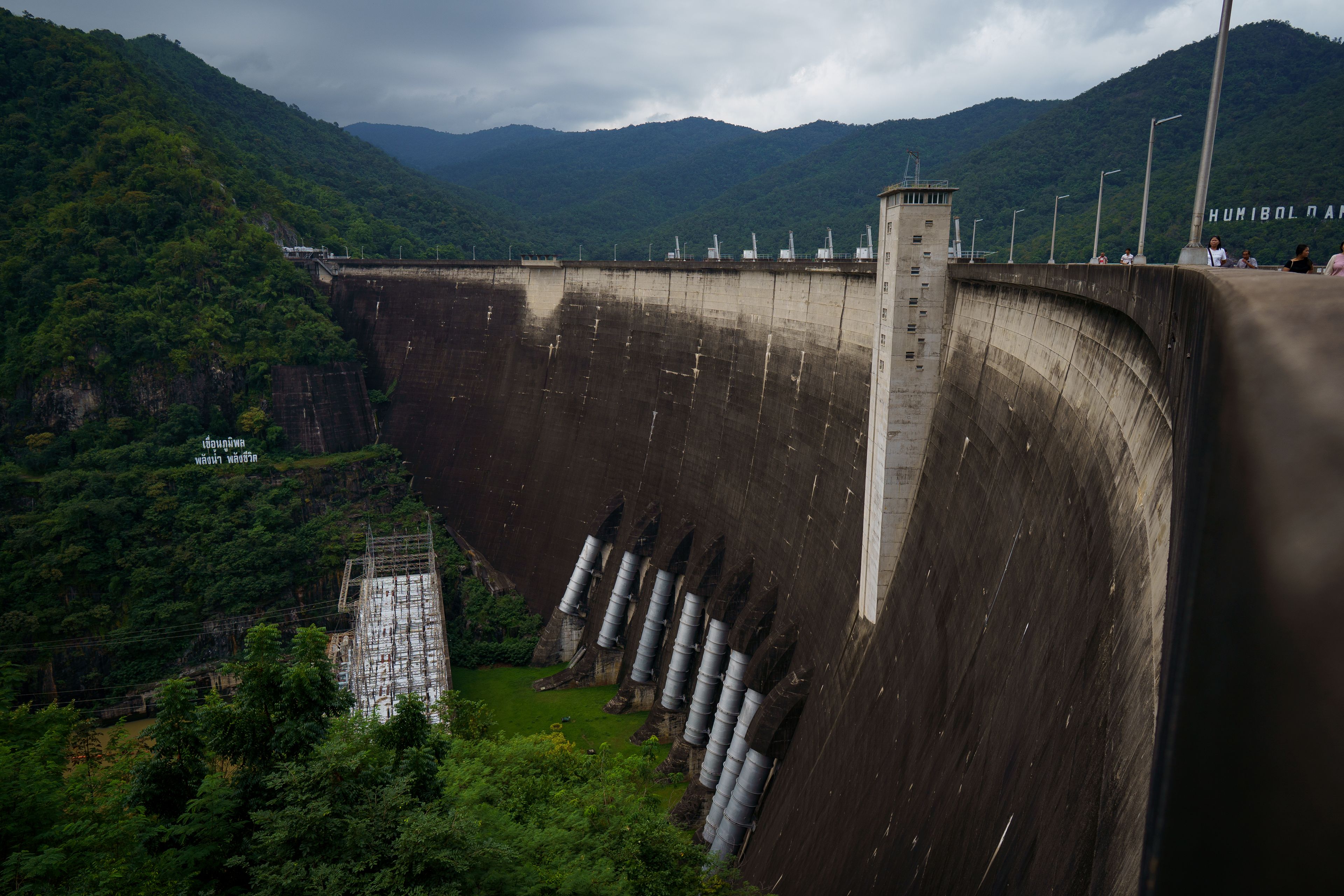
Thailand's cabinet has unilaterally terminated a 25-year-old framework aimed at joint offshore energy exploration with Cambodia. The move, announced May 5, has been framed by Bangkok as an assertion of national control — but regional outlets and analysts warn it risks rekindling maritime tensions and leaving valuable resources uncooperated.
The Confirmed Facts
- Thailand's cabinet cancelled the 25-year agreement intended to guide joint exploration of offshore hydrocarbon resources in parts of the Gulf of Thailand.
- Cambodia has expressed regret and urged continued cooperation; Bangkok says it is protecting sovereign rights and national interests.
- The action raises immediate diplomatic friction and practical questions about who will explore or exploit the contested blocks.
Background from our archive: Oil Hits Multi‑Year High as Trump Weighs Strikes on Iran: War Preparations or Market Manipulation?.
How the Headlines Diverge
According to Reuters, the Thai government presented the cancellation as a straightforward exercise of sovereignty and a defensive move to protect national assets. Reuters emphasizes the cabinet decision and official statements from Bangkok.
According to The Straits Times, regional coverage highlights immediate Cambodian regret and the risk that the cancellation could complicate wider ASEAN-era frameworks for cooperation — portraying the move as a diplomatic misstep that could isolate Thailand.
According to The Jakarta Post, Southeast Asian commentators emphasize the practical consequences: delays to exploration, higher costs, and the opportunity for third-party energy companies to play states off one another. This reporting frames the story as a commercial and strategic disruption rather than merely rhetorical posturing.
Beyond the Wire Copy
- Local fisherfolk and provincial stakeholders are often missing from headline accounts: coastal communities depend on licensing, jobs, and the environmental safeguards that come with formal agreements.
- Chinese and other foreign energy firms may see this as an opening: cancelled bilateral frameworks can accelerate bilateral licensing deals that favour firms with closer government ties.
- Legal experts point out that terminating a framework doesn't erase overlapping claims or existing commercial concessions — it often shifts ambiguity into the private sector, where investors move based on risk appetite rather than diplomatic niceties.
These quieter actors — coastal communities, smaller regional contractors, and legal advisers — feel the economic ripples long before capitals do.
The Takeaway
Why does coverage split along these lines? Because each outlet frames the story through its institutional priorities: global wire services prioritize official statements and timeline; regional papers read diplomatic fallout and domestic optics; industry outlets focus on contractual and market consequences. The real story sits between them.
Cancelling the framework buys Bangkok immediate political cover — a demonstrable act of protecting national resources — but it does not automatically produce a new legal or operational path for exploration. That gap is where investors, fishermen and courts will feel the consequences. In markets, ambiguity raises insurance and financing costs; for local labor, it raises the chance that any future development will be rushed or handed to private firms with less transparent commitments to environmental mitigation and revenue sharing.
Three practical outcomes are plausible over the next quarter:
- Thailand quickly replaces the framework with a clear, multilateral legal instrument that preserves some cooperation and soothes Cambodian concerns. This would reduce risk and likely be welcomed by regional partners.
- The move prompts Cambodia to seek international arbitration or to press ASEAN mechanisms, producing a protracted diplomatic dispute with legal filings and reputational costs.
- Private actors and third-country firms accelerate licensing bids, exploiting the ambiguity and potentially deepening geopolitical competition in the Gulf of Thailand.
From a Perspective Gap angle, the missing pieces are the voices that tie those outcomes to everyday life: the coastal workers whose livelihoods depend on orderly exploration; the provincial regulators who must implement any new licensing; and the mid-sized contractors who will decide whether to stay or pull out. Journalistic narratives that skip these links tend to either moralize the action (sovereignty vs. bad diplomacy) or reduce it to market-speak (risks and contracts) without explaining the human and institutional chain that connects the two.
Sources & Further Reading
-
Reuters: reporting on the Thai cabinet's decision and official statements.
-
The Straits Times: regional coverage emphasizing diplomatic fallout and Cambodian reaction.
-
The Jakarta Post: analysis of commercial and strategic consequences for Southeast Asia.
-
Modern Diplomacy: commentary on broader geopolitical implications for resource competition in the region.
Related stories

Missiles Over Fujairah: UAE Blames Iran, Tehran Denies — Who's Telling the Whole Story?
A surge of missile and drone alerts over the UAE's eastern coast exposed competing narratives: an official accusation against Iran and a set of denials and uncertainties that complicate attribution.
Read the story
UAE Says It Intercepted a Missile and Drone Swarm — Iran Denies, Markets Jitter
The UAE reported intercepting missiles and drones near Fujairah; Tehran denies involvement. Early market and diplomatic reactions paint sharply different pictures.
Read the story
Cuba Condemns New US Sanctions as 'Illegal and Abusive' — Blackouts, Blockades, and Competing Stories
Washington imposes new sanctions on Cuba; Havana says they are illegal and blame them for worsening fuel shortages and blackouts.
Read the story