
Cuba Condemns New US Sanctions as 'Illegal and Abusive' — Blackouts, Blockades, and Competing Stories
Washington imposes new sanctions on Cuba; Havana says they are illegal and blame them for worsening fuel shortages and blackouts.
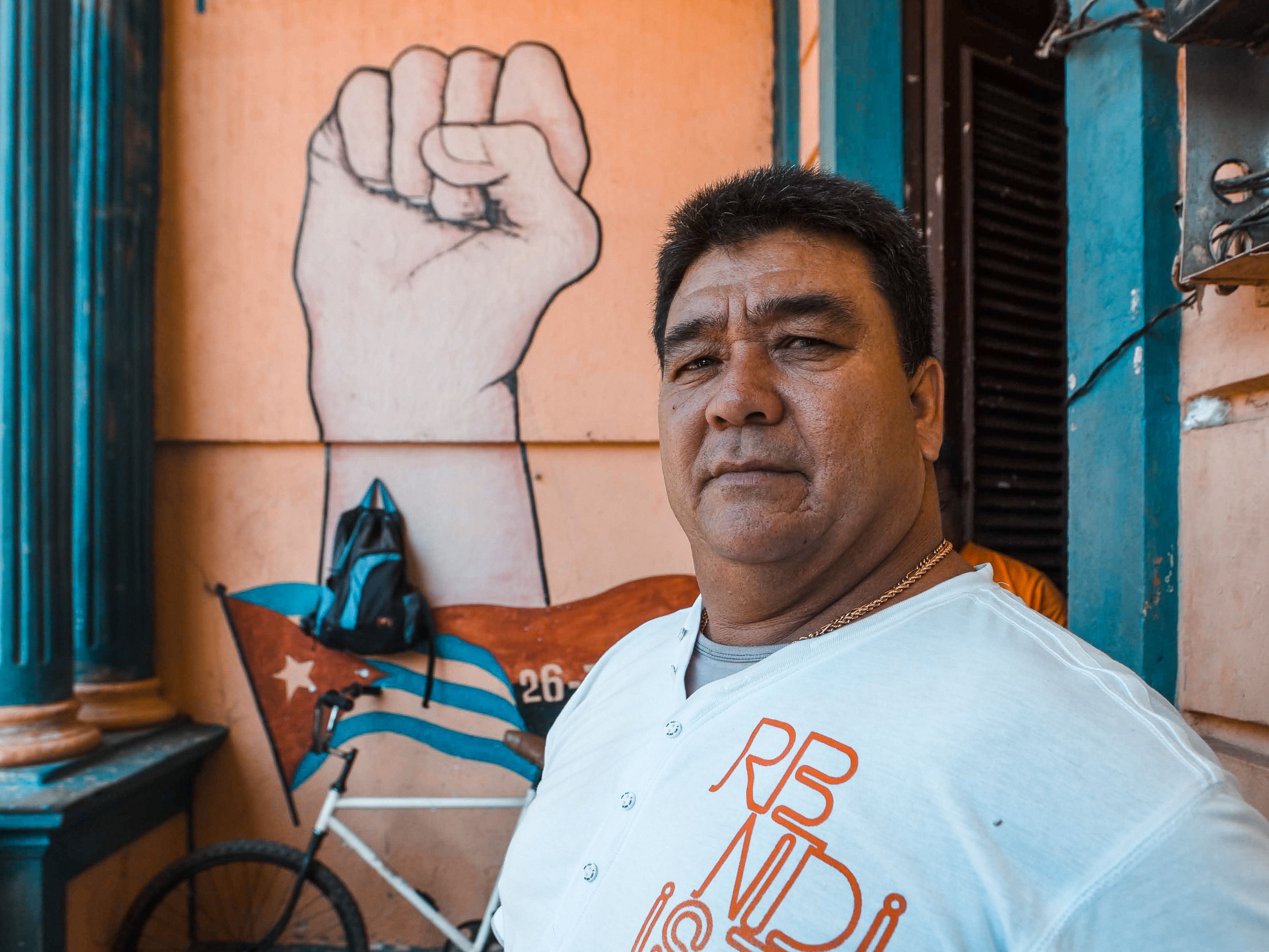
Cuba Condemns New US Sanctions as 'Illegal and Abusive' — Blackouts, Blockades, and Competing Stories
The United States issued a fresh executive order targeting officials and sectors of Cuba’s economy. Havana calls the move "illegal and abusive," while Washington frames it as a crackdown on corruption and human-rights violators. The measures land amid fuel shortages and rolling blackouts that Cubans say are the direct consequence of tightened oil access.
Start With What's Verified
- The US president signed an executive order imposing new sanctions aimed at Cuba's energy, defence, financial, and security sectors.
- Cuban officials, led by Foreign Minister Bruno Rodríguez, denounced the measures as "illegal and abusive" and accused the US of collective punishment.
- The new restrictions come alongside reports of a blockade on oil shipments to Cuba that have contributed to widespread blackouts and transport disruptions. See also our reporting on this thread: Oil Hits Multi‑Year High as Trump Weighs Strikes on Iran: War Preparations or Market Manipulation?.
Where the Reporting Splits
According to BBC News, the White House presented the executive order as a targeted response to alleged corruption and rights abuses by specific Cuban officials, and as part of a broader effort to pressure the Cuban government to reform. BBC reports emphasized official US language and the administration’s stated objectives.
According to The New York Times and other Washington outlets, US officials argue the measures are a lawful use of economic pressure to isolate and deter actors they say enable repression and malign influence. That coverage typically frames the sanctions within the toolbox of US foreign policy — coercive but legitimate.
According to Cuban state statements and reporting from Cuban outlets and observers cited by the BBC, the reality on the ground is a deepening humanitarian squeeze: hospitals facing fuel shortfalls, public transport shunted to sporadic schedules, and citizens coping with repeated blackouts. Cuban leaders portray the measures as not only punitive for officials but also as an effective blockade that harms ordinary people.
According to Bruno Rodríguez (Cuban foreign minister): the measures are “collective punishment against the Cuban people” and violate international law.
This is the point where mainstream Western reporting and Cuban official accounts diverge sharply: US coverage foregrounds policy aims and sanctions law; Cuban coverage foregrounds immediate civilian hardship and frames the measures as an illegitimate blockade.
Voices Outside the Main Coverage
-
Regional governments and smaller media outlets report that secondary actors — including tankers and third-country shippers — are being pressured by the threat of secondary sanctions, reducing the number of vessels willing to deliver fuel. Those supply-chain frictions rarely make the front pages of US outlets but are central to understanding how sanctions ripple outward.
-
On-the-ground Cuban journalists and social-media sources highlight how restrictions compound pre-existing domestic shortages. For many Cubans, the sanctions are experienced as fuel rationing and longer hospital waits rather than abstract geopolitics.
-
Analysts in Latin America caution that US moves risk pushing Havana closer to alternative partners willing to flout US pressure, a strategic outcome that rarely features in brief policy-focused coverage.
-
Humanitarian organisations speak in quieter tones about exemptions and the limits of humanitarian carve-outs when insurers and shippers decide it isn’t worth the risk — a practical blockage distinct from legal exemptions.
The Takeaway
The story is straightforward on paper: Washington says it aims to punish corruption and human-rights abusers; Havana says the result is a blockade that punishes civilians. The gap opens when reporters stop at official statements and treaty lines and fail to trace how sanctions operate in practice — through insurers, flags of convenience, and the cautious decisions of commercial shippers.
Reporting that centers only the legal case for sanctions misses the operational mechanics that turn targeted measures into pervasive shortages. Conversely, coverage that focuses solely on human impact without situating US policy aims leaves readers believing sanctions are either purely punitive theatrics or entirely illegitimate — neither captures the full picture.
The perspective gap here is practical: to understand impact you must follow the logistics and the market signals that amplify policy choices. Readers should understand both the legal rationale Washington claims and the day-to-day channels — fuel deliveries, insurer decisions, third-country diplomacy — that determine whether those claims translate into humanitarian harm.
Sources & Further Reading
-
BBC: concise account of the executive order and Havana’s public response
-
The New York Times: context on US policy and sanctions as foreign-policy tools
-
Al Jazeera: regional perspective and coverage of shipping disruptions and aid implications
Source: https://www.bbc.com/news/articles/cwy21n1970vo (BBC News)
Related stories

Missiles Over Fujairah: UAE Blames Iran, Tehran Denies — Who's Telling the Whole Story?
A surge of missile and drone alerts over the UAE's eastern coast exposed competing narratives: an official accusation against Iran and a set of denials and uncertainties that complicate attribution.
Read the story
Thailand Cancels 25-Year Energy Pact with Cambodia: Sovereignty, Signals, and the Gulf's Quiet Stakes
Thailand's cabinet cancelled a 25-year framework for joint offshore energy exploration with Cambodia, raising diplomatic and commercial uncertainty.
Read the story
UAE Says It Intercepted a Missile and Drone Swarm — Iran Denies, Markets Jitter
The UAE reported intercepting missiles and drones near Fujairah; Tehran denies involvement. Early market and diplomatic reactions paint sharply different pictures.
Read the story