
Taksim Locked Down, Workers Arrested: Two Stories of May Day in Istanbul
A contested May Day in Istanbul saw large rallies and heavy policing, with authorities framing closures as security measures while independent outlets documented mass detentions.
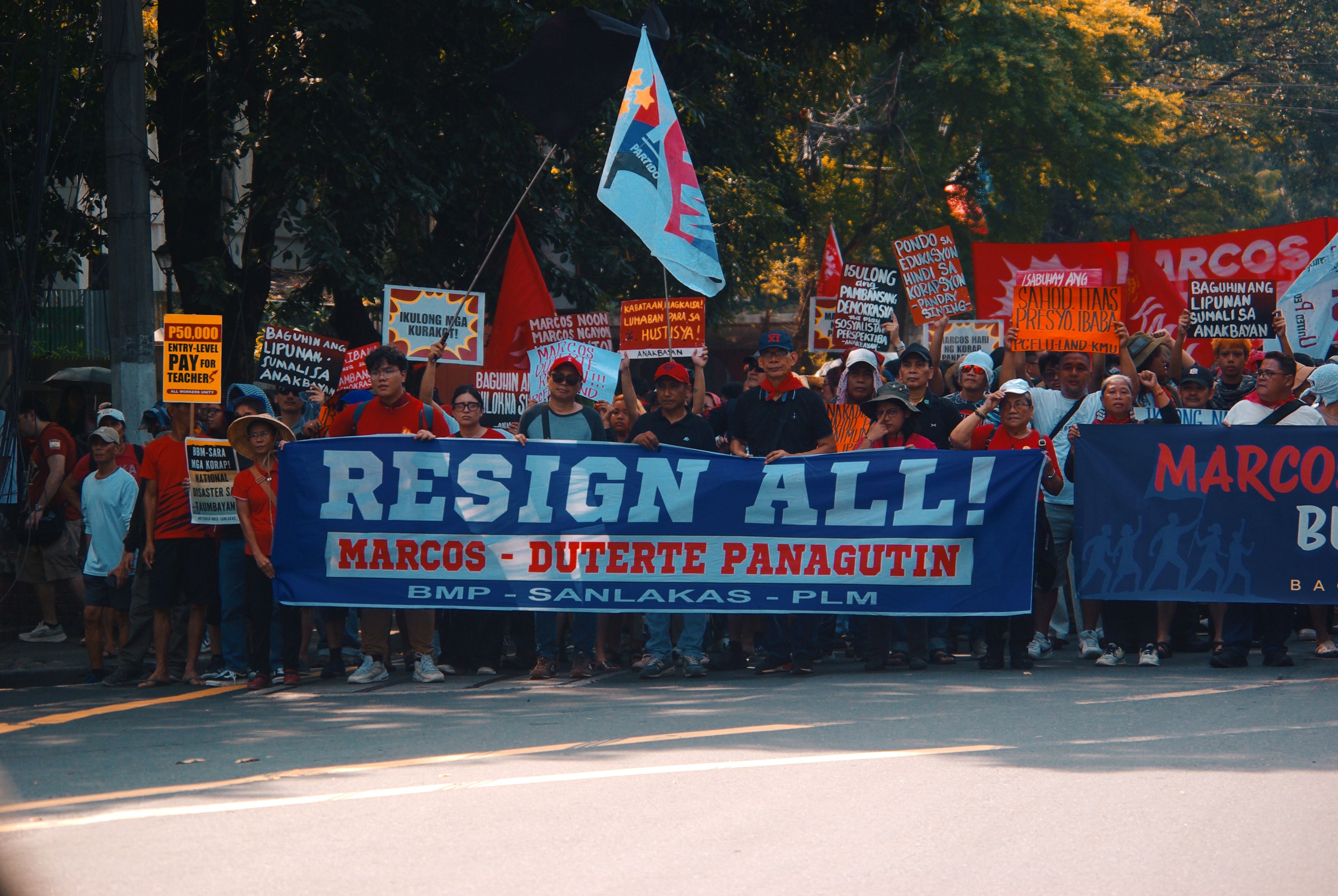
A contested May Day in Istanbul produced two competing narratives: one of peaceful labor organizing and civic ritual, the other of necessary security measures to prevent unrest. The truth sits between scenes of large, organized rallies and heavy-handed police operations that detained hundreds.
First, the Facts
- On May 1, workers and unions held May Day rallies across Turkey, including large gatherings in Kadıköy and attempts to reach Taksim Square.
- Authorities closed roads, shut transit links around Taksim and detained hundreds of people who tried to enter the square.
- Reporting shows both mass, largely peaceful demonstrations and confrontations where police used pepper spray, tear gas or made mass detentions. Background from our archive: Turkish police arrest more than 500 people at May Day rallies.
Four Newsrooms, Four Angles
According to the Associated Press (AP), May Day activations were broadly about rising energy costs and worker grievances, with demonstrators calling for higher wages and peace. AP’s dispatch foregrounds the global reach of the rallies and documents numerous peaceful marches across cities worldwide, while noting clashes in some locations such as Istanbul.
By contrast, pro-government Turkish outlets like Daily Sabah presented the closures and transit adjustments as precautionary measures, emphasizing public safety and the need to enforce a temporary ban around Taksim to prevent disorder. Daily Sabah’s framing centers the state’s responsibility to maintain order and minimize disruption to the public.
Local watchdogs and independent outlets tell a different but complementary story. Bianet and other civil-society voices emphasize tactics used by security forces — cordoning areas, blocking filming, and mass detentions — and stress that the closures effectively displaced traditional May Day gatherings out of sight of the symbolic Taksim square.
What Local and Independent Reporting Adds
-
Workers and smaller unions who could not reach Taksim reported being pushed into peripheral locations where their visibility and negotiating leverage declined. That migration matters: when protests are dispersed, so too is the pressure on employers and policymakers.
-
Legal and rights organizations raised concerns that enforced bans and blanket closures undermine constitutional protections for assembly. Amnesty and local rights groups pointed to published court findings and legal precedents arguing that blanket bans on Taksim square sit uneasily with freedom-of-assembly rulings.
-
For many ordinary participants, May Day was less about headline confrontation and more about basic economic grievances — rising energy and food costs linked in part to wider geopolitical shocks — which mainstream state coverage downplayed in favor of order-focused language.
Why the Gap Matters
The split in coverage shows a predictable pattern: international wire services document events in a neutral, event-driven register; state-aligned outlets prioritize stability and public-order narratives; independent outlets highlight rights questions and procedural irregularities. Each is partly true.
The perspective gap emerges because coverage choices map to institutional incentives. Wires report what happened; authorities frame what should be remembered; independent media preserve what might otherwise be erased. Readers should therefore triangulate across these kinds of sources when a civic ritual becomes a security story.
For activists and observers, the practical takeaway is simple: look for where events were moved, who lost access to symbolic spaces, and how policing tactics reshaped the political visibility of workers’ demands. Those are the structural changes that survive after headlines fade.
Sources & Further Reading
-
Associated Press: on-the-ground roundup of May Day rallies worldwide and notes of clashes in Istanbul.
-
bianet: independent reporting on detentions, closures, and the displacement of Taksim gatherings.
-
Daily Sabah: government-leaning account emphasizing public safety measures and transit adjustments.
-
Amnesty International: rights-focused critique of bans on Taksim gatherings and the legal context.
- protests
- turkey
Related stories
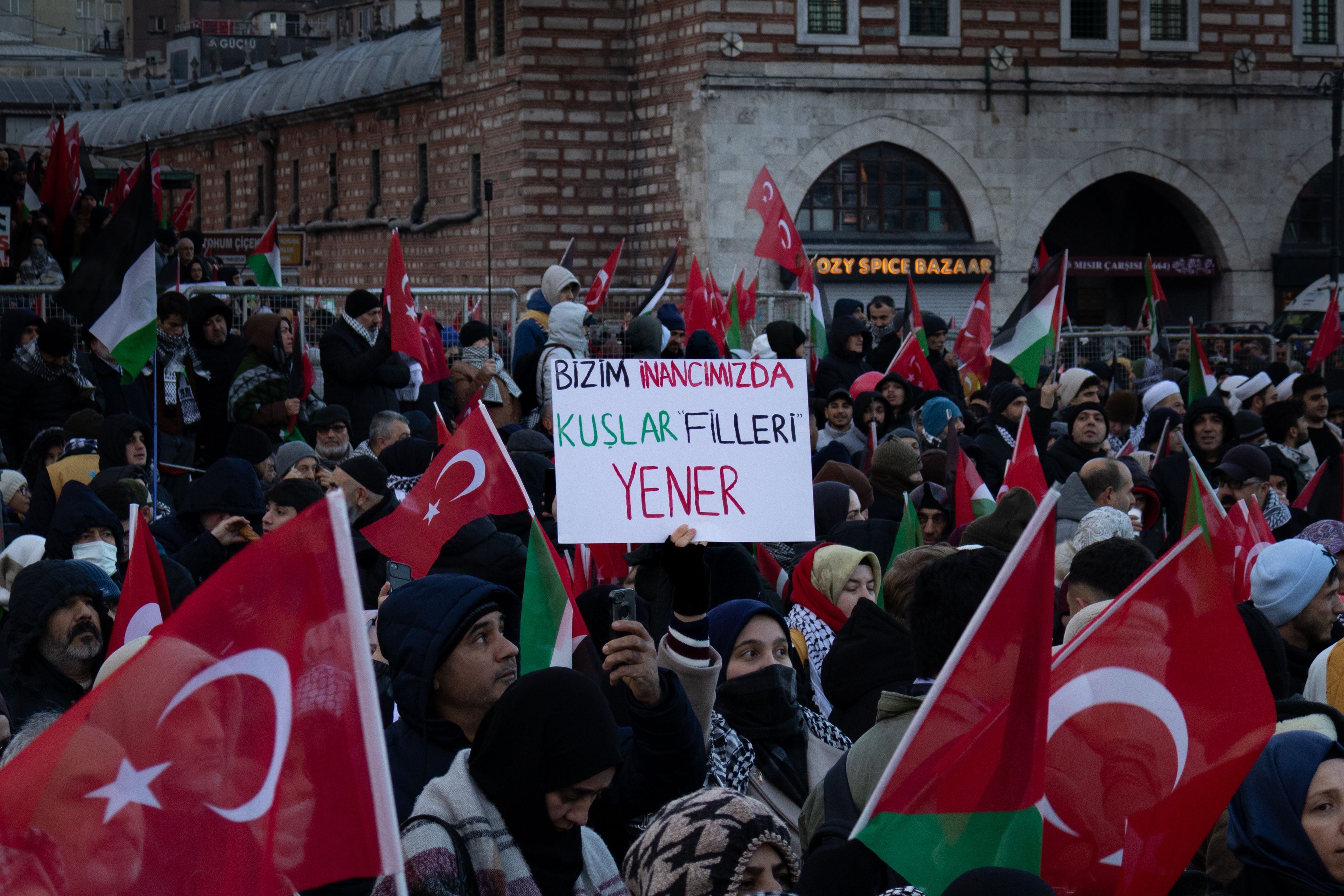
Turkish police arrest more than 500 people at May Day rallies
More than 500 people detained during May Day rallies in Istanbul as authorities blocked access to Taksim Square; rights groups say many detainees were peaceful.
Read the story
The $25 Loophole Sending Wild Mustangs to Slaughter
A legal loophole lets the government sell protected mustangs for as little as $25. Coverage splits between an NYT investigation, BLM's flat denial, and advocates' data.
Read the story
The AI Boom's Electric Bill Just Became a Midterm Weapon
Political reporters are covering the data-center backlash as a 2026 election story. Policy reporters call it a market failure. Both are skipping the part where nobody's fix is tested yet.
Read the story