
Turkish police arrest more than 500 people at May Day rallies
More than 500 people detained during May Day rallies in Istanbul as authorities blocked access to Taksim Square; rights groups say many detainees were peaceful.
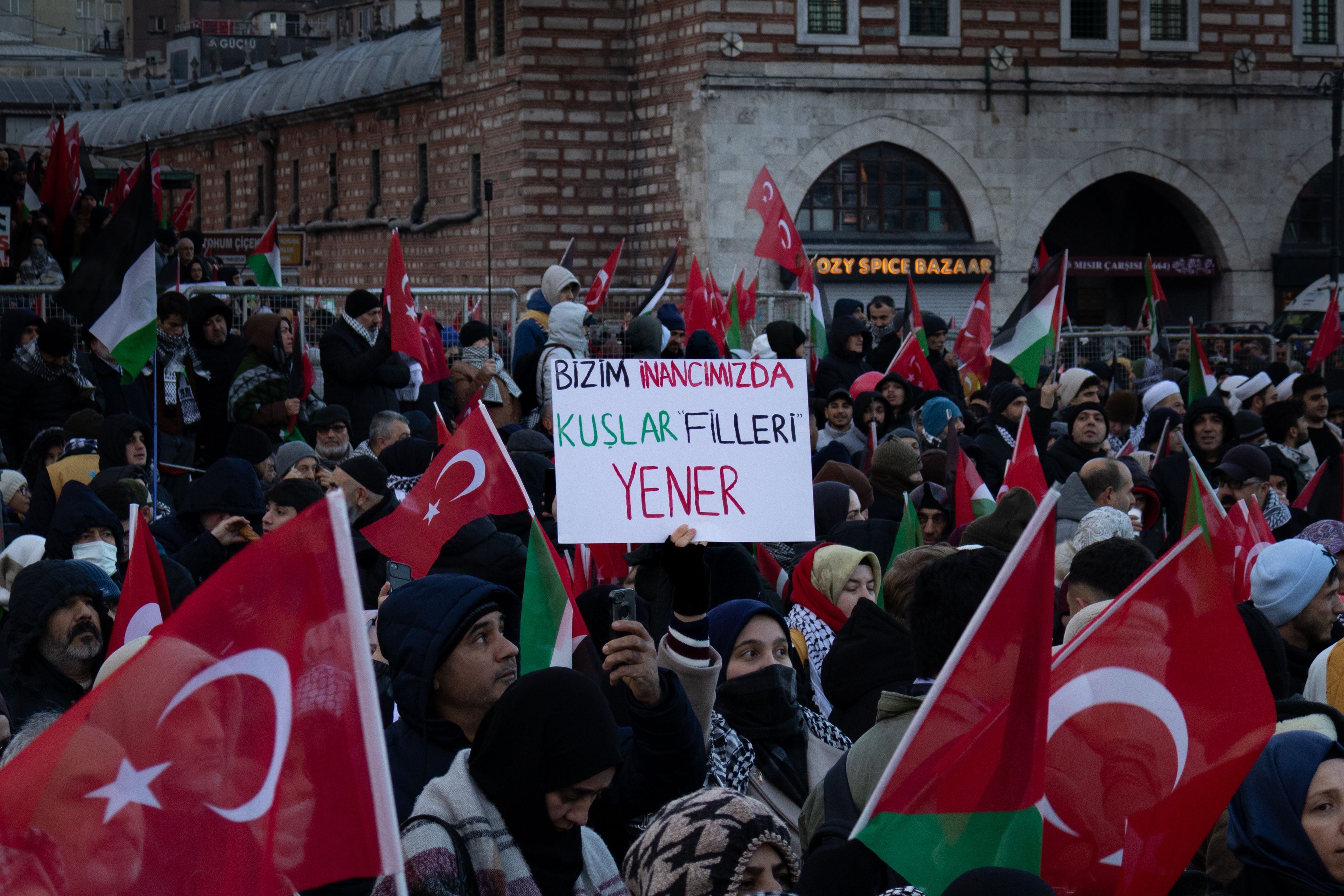
The 2026 May Day demonstrations in Turkey turned tense as police detained more than 500 people across Istanbul and other cities, officials and rights groups reported. The arrests — concentrated around attempts to reach Taksim Square — expose a recurring tension between state security priorities and peaceful labour protests in a year marked by heightened political polarization. Local lawyers and independent observers say many of the detentions involved activists trying to organise small, permitted gatherings that were blocked or rerouted.
What We Know
- Turkish police detained more than 500 people during May Day rallies in Istanbul and other cities, according to legal observers and reporting from the scene.
- Authorities deployed tear gas, water cannon and heavy barricades to prevent demonstrators from reaching Taksim Square, a longstanding focal point for labour politics in Istanbul.
- The governor's office had restricted access to central squares; the state framed the moves as public-safety measures while civil-society groups described them as an overbroad restriction on the right to assemble.
- Reports noted a significant number of detentions included journalists and small-group organisers documenting the marches. Related coverage: Taksim Locked Down, Workers Arrested: Two Stories of May Day in Istanbul.
How the Headlines Diverge
According to the BBC (which relayed on-the-ground reporting and Reuters field dispatches), police moved to block crowds early and arrested those who attempted to march toward Taksim Square. Photographs and short video clips that circulated from the scene show lines of officers and officers using crowd-control measures as groups tried to advance.
According to domestic pro-government outlets, the police presence was necessary to "ensure public safety and prevent violent actions that could threaten citizens and property." These outlets emphasised the legality of the governor's restrictions on access to Taksim and framed arrests as targeted responses to breaches of law and order. In this telling, firm policing prevented the kind of clashes that have, in past years, spiralled into wider unrest.
According to human-rights groups and independent legal observers at the scene (including a prominent lawyers' collective), many detainees were peaceful demonstrators or media workers. They reported that routine protest organisation—setting up a small banner, attempting to move along a planned route—was treated as grounds for detention, and they warned of a pattern that equates visible dissent with criminality.
What the Headlines Leave Out
-
International labour unions and diaspora activists described the actions as part of a broader pattern: incremental restrictions on street-level protest that are rationalised through public-order narratives.
-
Local organisers told reporters that the real constraint was procedural: permits were granted only in peripheral districts while symbolic central spaces were sealed off, effectively muting traditional displays of solidarity.
-
City administrators and some municipal officials pushed back in private conversations, saying the police response was pragmatically driven by congestion risks and concerns about vulnerable infrastructure, not necessarily designed to silence dissent.
-
What gets lost in many headlines is the small, everyday choreography of control: permit decisions, which neighbourhoods are allowed to gather, and whether transport is cut off so people cannot reach traditional sites of protest. Those bureaucratic moves shape whether a protest is visible or invisible, legal or criminalised.*
The Takeaway
The competing narratives about May Day in Turkey reveal a procedural gap that is often overlooked: reporting routinely focuses on the visible flashpoint—arrests and gas—but misses how administrative rules and urban management quietly determine who can assemble where. That gap lets both sides claim a kind of truth: the state can point to legal orders and public-safety rationales, while critics point to heavy-handed enforcement that curtails civic space.
For readers trying to make sense of the event, two simple checks help close the gap: look for reporting on permits and transport restrictions, and seek out legal observers' lists of detainees. Those details show whether actions were targeted at genuine threats or whether they were broader efforts that disproportionally restricted the right to assemble.
If public debate is to remain healthy, journalists should pair the dramatic images of confrontation with the quieter administrative storylines that enable or block visibility. Those quiet levers—permits, closures, policing zones—often shape the day's outcomes long before any baton or tear gas is used.
Sources & Further Reading
- BBC: on-the-ground reporting relaying Reuters and local legal observers
- Al Jazeera: broader May Day context and regional perspective
- The Guardian: labour movement analysis and commentaries
Primary source: https://www.bbc.com/news/articles/cwy2x7rq3nqo (BBC)
- turkey
- may day
- protests
- police
- labour
Related stories
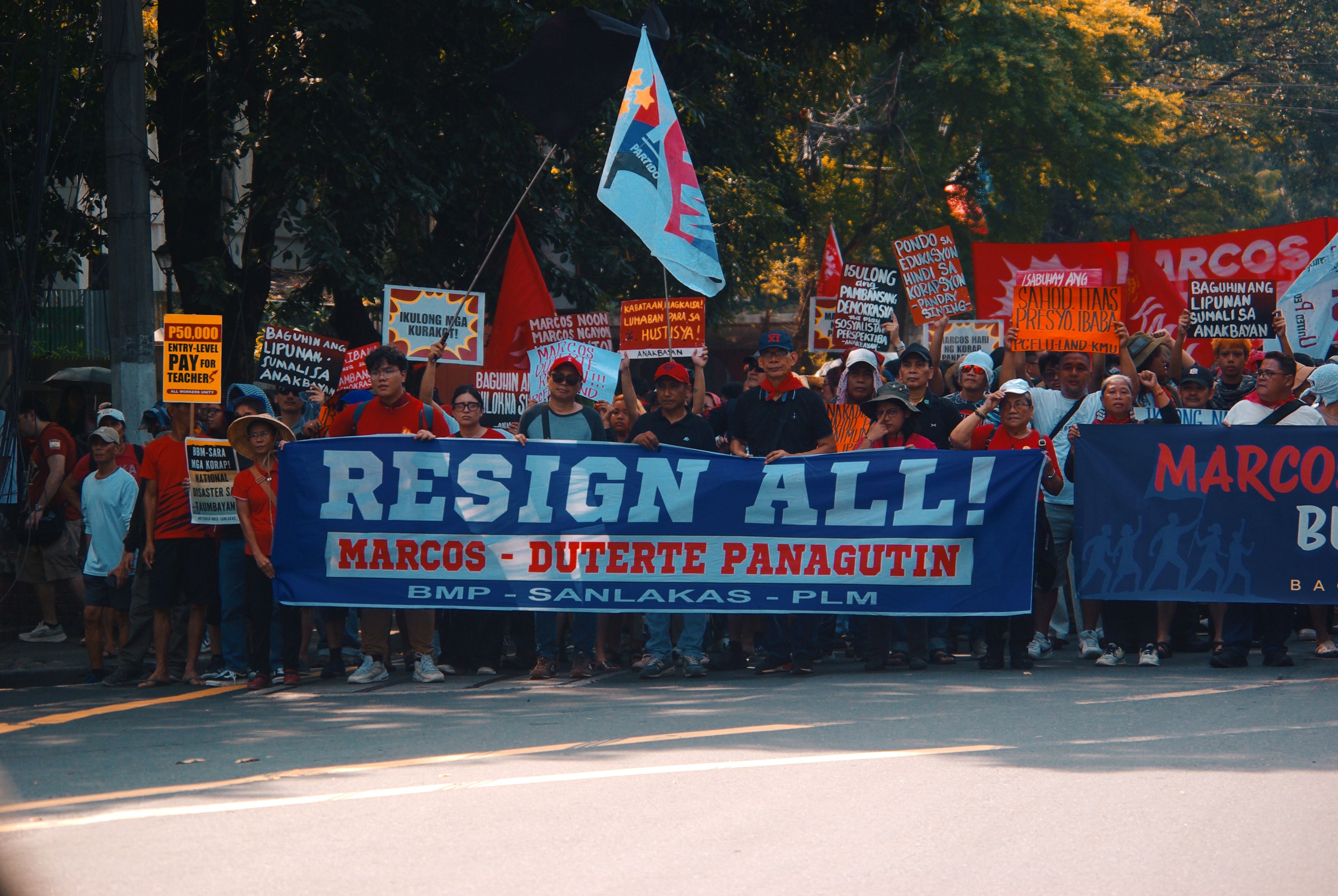
Taksim Locked Down, Workers Arrested: Two Stories of May Day in Istanbul
A contested May Day in Istanbul saw large rallies and heavy policing, with authorities framing closures as security measures while independent outlets documented mass detentions.
Read the story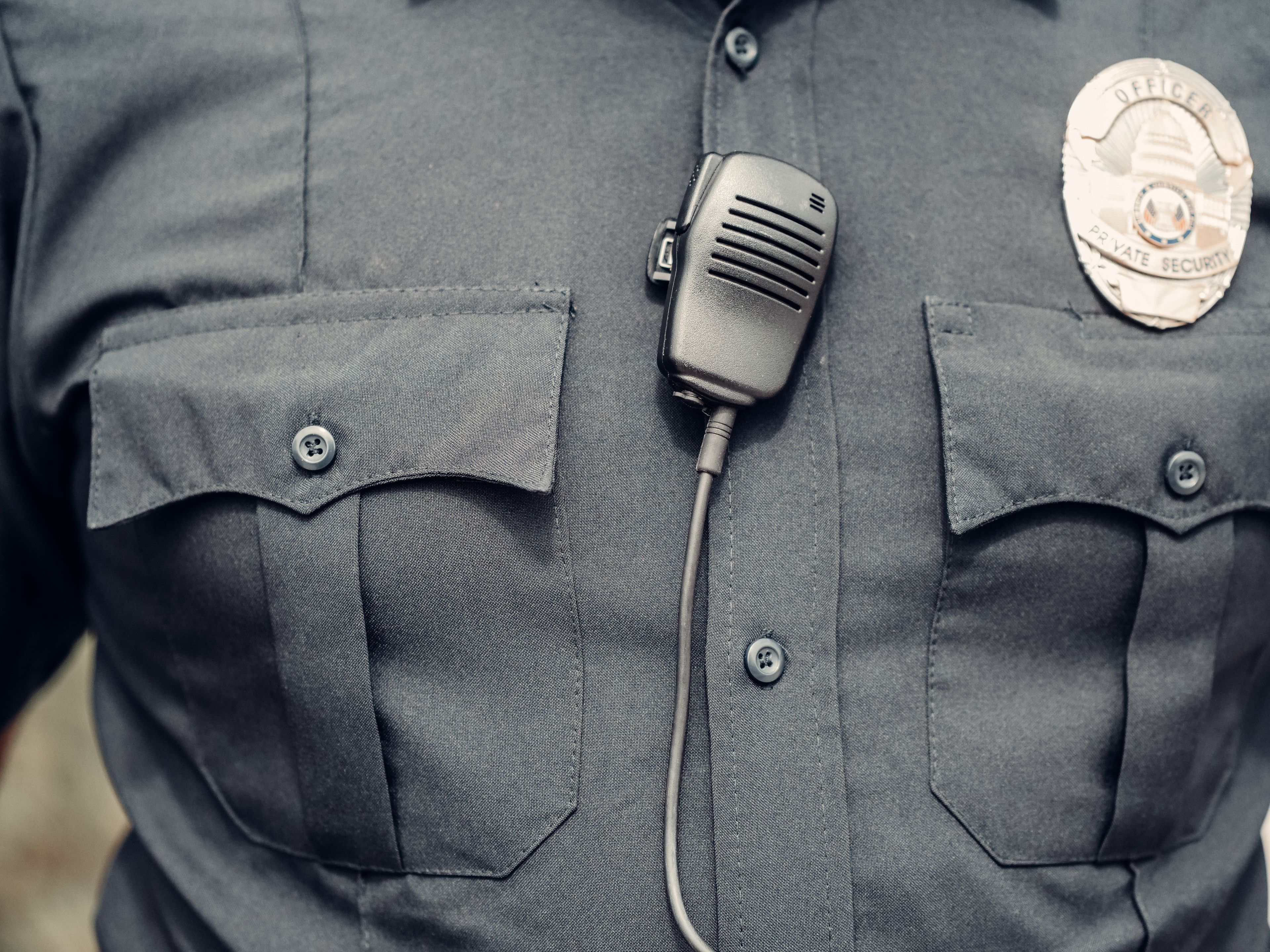
Two Wives Warned About Him. ICE Hired Him Anyway.
After a fatal ICE shooting in Maine, DHS calls it one officer's vetting failure. Investigative reporting says it was the predictable result of a hiring surge.
Read the story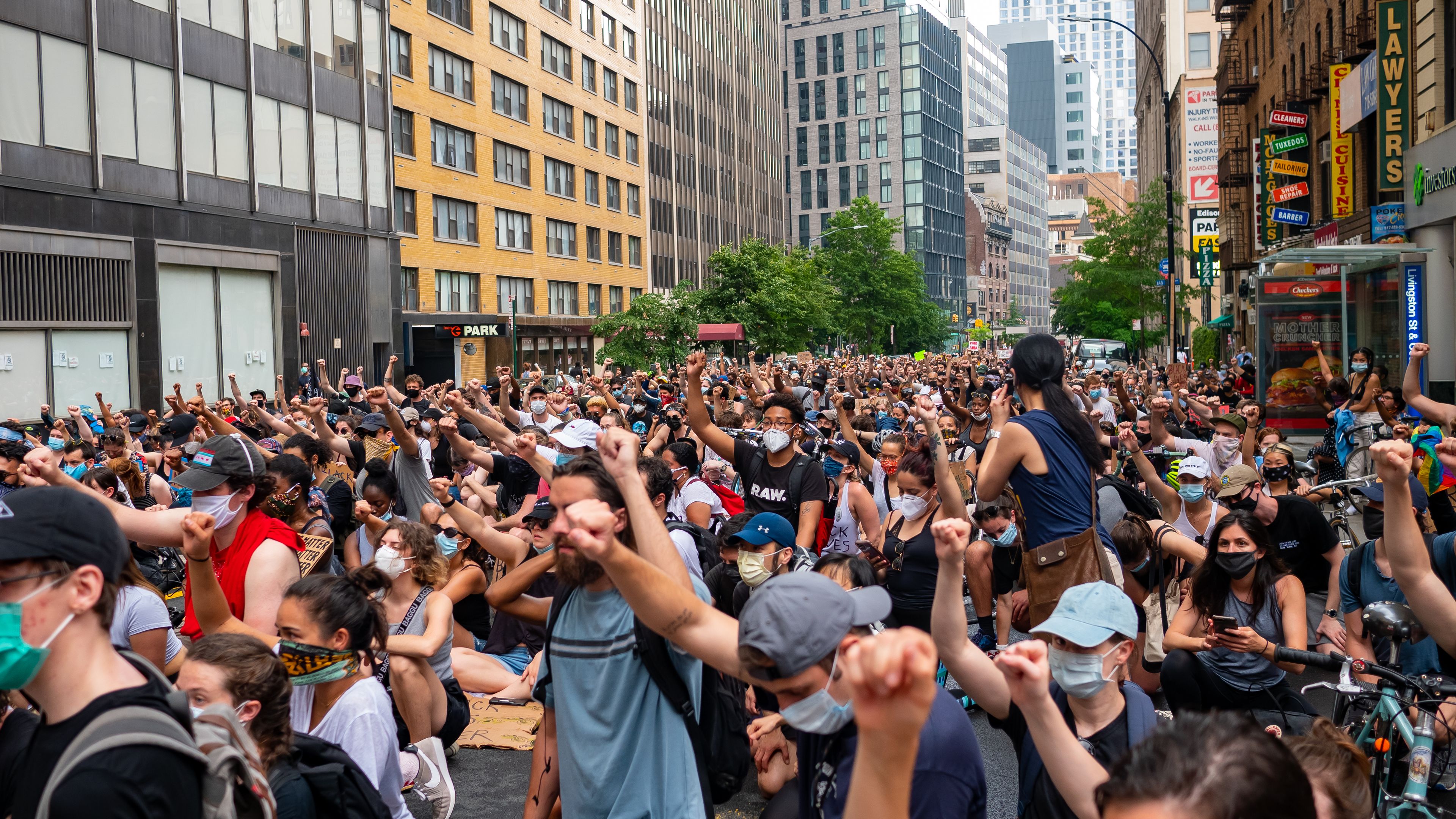
Why Madison's Police Shooting Has No Body-Cam Footage to Settle It
Madison police and eyewitnesses describe the same fatal shooting differently. The city rejected funding for the body cameras that could have settled it.
Read the story