
Two Wives Warned About Him. ICE Hired Him Anyway.
After a fatal ICE shooting in Maine, DHS calls it one officer's vetting failure. Investigative reporting says it was the predictable result of a hiring surge.
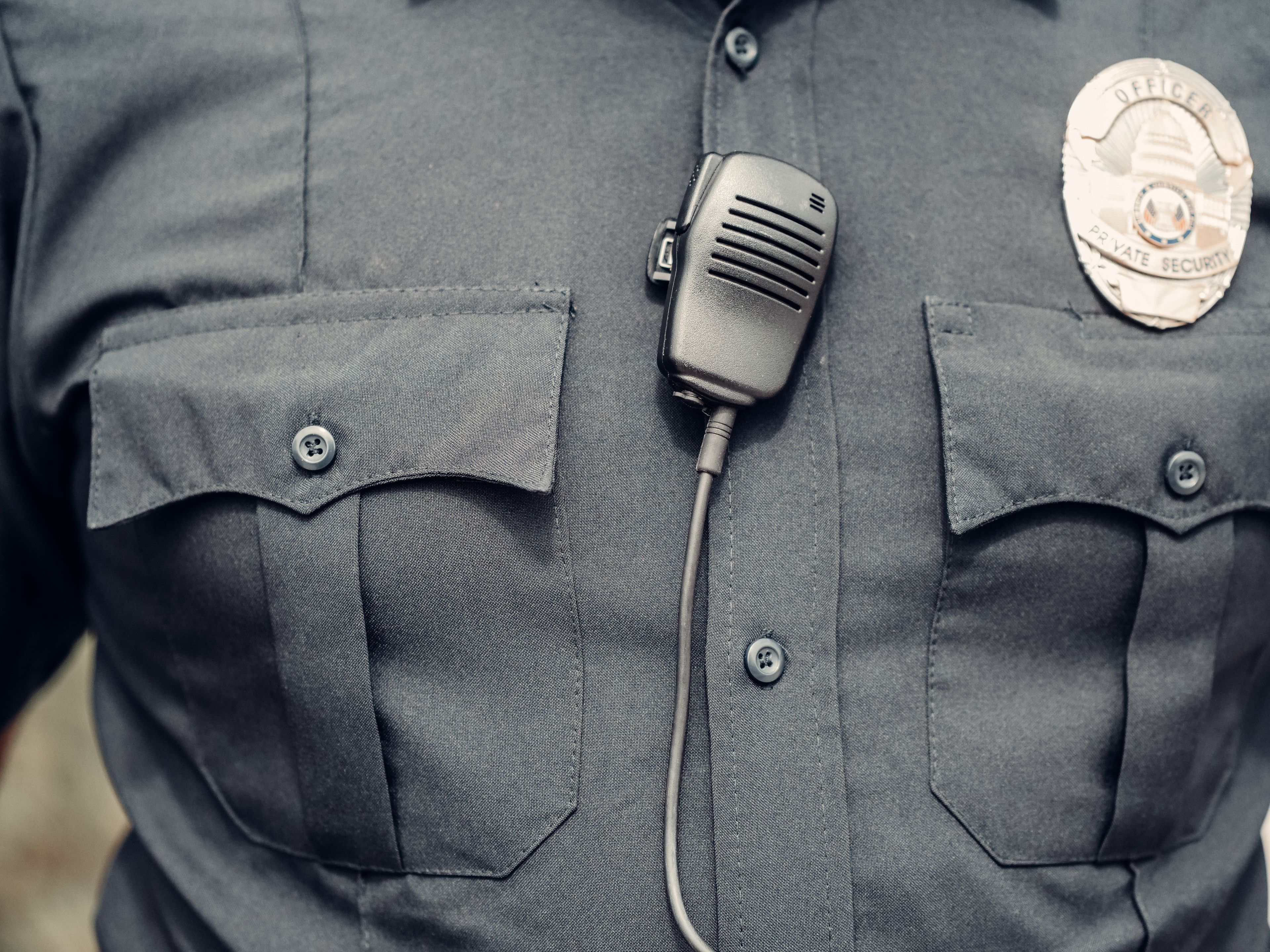
Two women who were married to the same man spent years, separately, describing the same thing: a pattern of violence they say authorities had every chance to notice. One says he threw boiling water on her while she held their infant daughter. The other says she warned for years that his anger would eventually turn deadly. Both filed for protective orders. Both accounts are now part of the public record because the man they describe, David Brouillette, has been identified by his ex-wife as the U.S. Immigration and Customs Enforcement officer who fatally shot Johan Sebastián Durán Guerrero in Biddeford, Maine, on July 13.
The Department of Homeland Security has not officially named the officer, and border czar Tom Homan has stopped short of confirming Brouillette pulled the trigger. What Homan did confirm, in a July 26 interview with CNN, is that if the allegations are accurate, "it would have been a vetting issue" — and that DHS's internal affairs division is now examining whether ICE's screening process missed it, according to The Washington Post, republished by The Spokesman-Review. That single fact — an internal review into one officer's hiring file — is where most coverage of this story starts and ends. It's also where the real story starts, not ends.
A Vetting Review, Framed as an Isolated Failure
The Post's account, echoed across wire-service pickups, reads as an accountability story with a clear shape: a bad actor slipped through, the White House is investigating how, and the process will presumably be fixed once it identifies the gap. Homan's language reinforces that frame. He calls it "a separate administrative investigation," language that treats Brouillette's hiring as a discrete error rather than a symptom of anything larger. Durán, 25, had a Trump-administration-issued work permit and was not the target of the operation that killed him — ICE has said agents were surveilling an unrelated address and moved to stop his car when he allegedly tried to drive off. His death triggered what the Post describes simply as "mass protests" in Maine.
That framing isn't wrong. It's incomplete in a way that matters, because it lets the story stay contained to one officer's background check.
The Investigation That Says This Was Predictable
The Marshall Project, a nonprofit newsroom covering criminal justice, published a very different version of this story built around the same underlying facts. Brouillette, per its reporting, was hired by ICE roughly eight months before the shooting, during a hiring surge that took the agency from 10,000 to 22,000 officers in a matter of months to staff the administration's mass deportation push. His family told reporters his academy training ran 42 days — down from a prior 72-day standard that DHS has since restored, but only after a large cohort, apparently including Brouillette, had already graduated under the shortened schedule. Records obtained separately by the Post showed those cuts reduced use-of-force training specifically.
The Marshall Project also cites an Associated Press investigation into roughly 40 newly hired ICE officers identifiable from public LinkedIn postings: three had prior lawsuits alleging misconduct in earlier law-enforcement jobs. A current ICE officer told the Washington Examiner that some field teams are staffed with people who "haven't even cleared background" checks or hold no security clearance. None of this proves Brouillette himself was improperly vetted — DHS doesn't publicly identify its officers, which is precisely what makes it nearly impossible for outside reporters to check systematically. But it reframes the question from "did this one hire go wrong" to "how many hires like this happened during a rapid-expansion push, and would anyone know."
A Camera That Wasn't Actually a Camera
A second, narrower dispute complicates the official account further. Homeland Security Secretary Markwayne Mullin reportedly told Sen. Angus King, I-Maine, that officers at the Biddeford scene weren't wearing body cameras. The Intercept reported something more specific: four ICE officials said the officers were wearing Motorola SVX devices with built-in cameras, but the agency uses them only as radio mics because ICE's body-camera contract runs through a different vendor, Axon, and the camera function requires a separate subscription that wasn't activated. It's a smaller factual gap than the vetting question, but it's a real one — DHS said "no cameras," and people inside the agency told a reporter that isn't quite true. It's the same kind of documentation gap that shaped how outlets covered a police shooting in Madison with no footage to settle competing accounts: when the recording infrastructure exists but isn't switched on, the absence of video becomes its own story.
What Neither Version Answers
The administration's framing personalizes the failure to make it fixable — find the gap, close it, move on. The investigative framing systematizes it in a way that risks losing the individual: two named women's specific, documented warnings become one data point in a trend piece about hiring surges. Both are true and both are partial. What's missing from either is the plainest question a reader would ask: given that ICE's own hiring records aren't public, how would the public — or Congress, or Sen. King, who has pushed for body-camera and disclosure standards matching those applied to municipal police — ever independently verify that the review Homan promised actually happened, let alone what it found. An internal affairs investigation announced in a Sunday show interview isn't a public process, and none of the outlets covering this story, including this one, currently has a way to check its outcome except by asking DHS again later.
Sources & Further Reading
- Trump administration reviewing ICE vetting process after Maine shooting — The Washington Post, via The Spokesman-Review
- How Troubled Law Enforcement Recruits Wind Up With a Badge and Gun — The Marshall Project
- ICE Officers at Maine Shooting Scene Were Wearing Body Cameras. They Were Not Turned On. — The Intercept
- Maine Sen. Angus King talks about fatal shooting of a man by federal agents — NPR
- politics
- immigration
- police
- accountability
- maine
Related stories

ICE Tracked a Man for Months Over an Email It Won't Call a Threat
DHS agents tracked a Rochester man across three states over a scathing email to ICE's chief. In court filings, they still won't call it a threat.
Read the story
Illinois' Tuition Law for Undocumented Students Struck Down
A federal court ruled Illinois can't give undocumented students in-state tuition. It's the fifth state to lose that fight this year, with nine more pending.
Read the story
Why Madison's Police Shooting Has No Body-Cam Footage to Settle It
Madison police and eyewitnesses describe the same fatal shooting differently. The city rejected funding for the body cameras that could have settled it.
Read the story