
Spain Intercepts Massive Cocaine Shipment Near Canary Islands: Triumph or Symptom of a Deeper Problem?
Spanish authorities intercepted a freighter near the Canary Islands carrying an estimated 30–45 tonnes of cocaine—an operation officials called historic, while analysts see a larger logistical network.
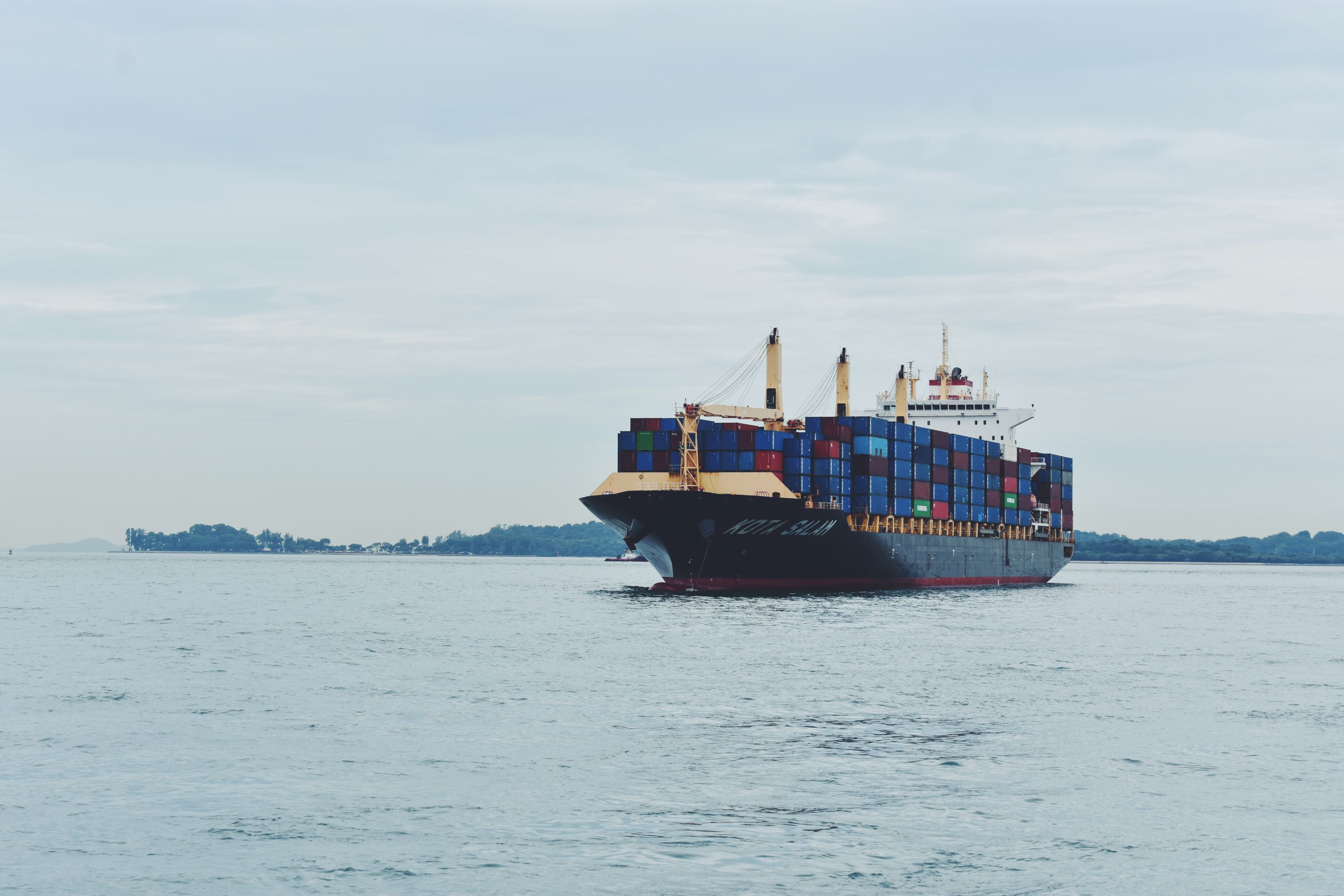
A dramatic interception off the Canary Islands—what Spanish authorities are calling potentially the largest cocaine seizure in the country's history—has left reporters and officials celebrating a "historic blow to drug trafficking." Beneath the headline, however, competing narratives reveal different takes on where the shipment was headed, who orchestrated it, and what the arrest of around 20 crew members actually means.
Start With What's Verified
- Spanish police (the Guardia Civil) intercepted a freighter, the Arconian, in international waters near the Canary Islands and escorted it to Las Palmas for inspection.
- Officials and union sources estimate between 30,000 and 45,000 kg (30–45 tonnes) of cocaine were found in the ship's holds.
- Around 20–23 people have been arrested; the operation is under judicial secrecy while investigators continue the onboard search and lab analysis. This connects to a story we covered earlier: Lithuania Says It Broke Up Russian Sabotage and Murder Plots — What the West Isn't Saying.
Four Newsrooms, Four Angles
According to BBC News, the Civil Guard framed the seizure as an emphatic law-enforcement victory, sharing images of bales packed into the hold and calling the operation one of the biggest in national history. The immediate narrative is straightforward: a successful interdiction that removed tonnes of cocaine from circulation.
According to CBS News / AFP, however, investigators and union sources suggest a different operational logic. The vessel reportedly left Sierra Leone bound for Libya, but intelligence analysts doubt the drugs were truly intended for a single Libyan port—offloading such volume there would be conspicuous. Instead, the shipment appears more likely to have been staged for transfer to smaller boats for distribution across multiple European destinations. That version reframes the event not as an isolated smuggling error but as a node in a transnational logistical network.
Local reporting adds another dimension. According to La Provincia, the Arconian’s route, flag and crew nationalities point to the longstanding problem of flags of convenience and gaps in maritime oversight—conditions that traffickers exploit to move huge loads under commercial cover.
What the Headlines Leave Out
-
Intelligence and cooperation: Public statements emphasize the seizure; they rarely explain the intelligence, tips or international data-sharing that made it possible. Those mechanisms shape outcomes but remain invisible to daily coverage.
-
Maritime logistics as the core story: Experts argue the bigger issue is not a single ship but the systemic ease with which cargo networks and legal loopholes enable large shipments to transit the Atlantic.
-
Local judicial burden: The port of Las Palmas will shoulder lengthy judicial and custodial work while prosecutors and courts attempt to trace origins and ownership—meaning a local community bears much of the fallout from a transnational crime.
Closing the Perspective Gap
The seizure is indisputably a tactical success. But the stories most readers first see—photos of bales, celebratory statements—mask a recurrent gap in coverage: celebration without structural follow-up. Law enforcement wins matter; they do not, by themselves, explain why bulk trafficking continues to scale up. The true picture requires reporting on maritime regulation, flag economies, and the international networks that use ports and legal ambiguity to move contraband.
If we stop at headlines, we applaud a snapshot and miss the systemic problem. A fuller reporting posture would treat interdictions as entry points to explain why global shipping and weak oversight continue to make Europe a permissive corridor for massive shipments.
Sources & Further Reading
-
BBC News: reporting on the seizure, official statements, and the Civil Guard's account.
-
CBS News / AFP: AFP-sourced context on likely trans-shipment patterns and union commentary.
-
La Provincia: local reporting on the vessel's arrival in Las Palmas and details about the crew and judicial process. (Proofread and cleaned. Attribution preserved.)
- drugs
- maritime
- spain
- crime
- europe
Related stories

Strait of Hormuz: Conflicting Claims After Attacks on Commercial Ships
Conflicting official statements and messy on-the-ground reporting in the Strait of Hormuz have reopened questions about how to keep commercial shipping safe — and who pays when diplomacy fails.
Read the story
Hijacked Tanker off Yemen Exposes a Global Shipping Riddle — Piracy, Politics, or Something Else?
An oil tanker seized off Yemen highlights how piracy, weak maritime enforcement, and geopolitics combine to make shipping routes vulnerable.
Read the story
Lithuania Says It Broke Up Russian Sabotage and Murder Plots — What the West Isn't Saying
Lithuanian authorities say they have foiled alleged Russian-linked sabotage and murder plots. Early allegations mix concrete arrests with intelligence assessments — a reminder to treat immediate government claims as provisional until courts and independent investigators can verify them.
Read the story