
Lithuania Says It Broke Up Russian Sabotage and Murder Plots — What the West Isn't Saying
Lithuanian authorities say they have foiled alleged Russian-linked sabotage and murder plots. Early allegations mix concrete arrests with intelligence assessments — a reminder to treat immediate government claims as provisional until courts and independent investigators can verify them.
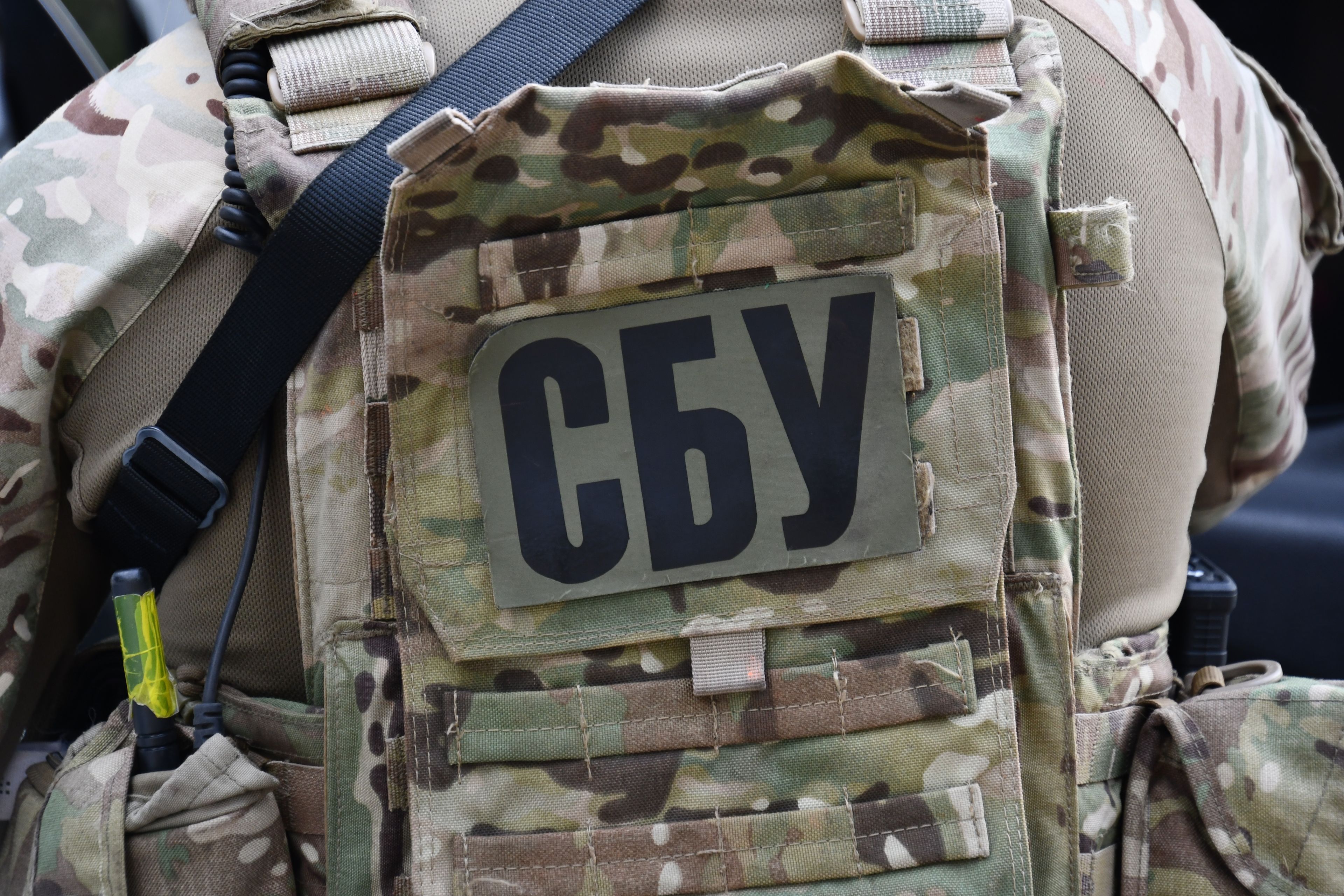
A startling claim from Vilnius: Lithuanian authorities say they have disrupted alleged Russian sabotage and murder plots on their soil. The allegation, if true, is a clear sign of growing hybrid operations in Europe — and a reminder that what gets reported in Western capitals is often shaped as much by politics as by evidence.
The Facts on the Ground
- Lithuanian prosecutors and security services announced arrests and said they had foiled plots allegedly connected to Russian actors.
- Authorities presented alleged communications and arrests; there has been no public, independent judicial accounting yet.
- The announcement has prompted diplomatic ripples across the EU and NATO, with Western capitals issuing cautious statements. Related coverage: Drone Strike Rocks Moscow Ahead of Victory Day: Kremlin Story vs. The Facts.
Four Newsrooms, Four Angles
According to The New York Times, Lithuanian officials described the operation as a preemptive disruption of a network that planned sabotage and murder inside Lithuania, framing it as part of a broader Russian campaign to destabilize EU states. The Times highlighted statements from prosecutors and contextualized the claim within a pattern of Russian covert activity across Europe.
According to Al Jazeera, the story emphasizes regional fears and the domestic political impact in Lithuania — how the arrests are being used by local politicians to rally public opinion and secure support for tougher security measures.
According to local Lithuanian reporting (Vilnius public broadcaster and parliamentary statements), the focus is on specific suspects, alleged clandestine communications, and links the police say point toward operatives with Russian ties. Those reports include names and court filings that Western outlets summarize more cautiously.
Reality check: reporting-to-date mixes firm procedural claims (arrests, evidence shown to prosecutors) with intelligence assessments that are inherently probabilistic. Independent verification — forensic logs, phone records, or court examination in public — is limited in the immediate aftermath. That means what readers hear first is often the prosecutorial framing, not the whole evidentiary record.
"Authorities say they prevented an attack. Independent scrutiny will determine whether the evidence fully supports that claim." — implied through differing outlet emphasis
What the Headlines Leave Out
- Local legal documents and Lithuanian-language court filings (less visible to anglophone outlets) often contain the clearest timeline and the narrowest claims — for example, listing individual communications and timestamps rather than grand strategic intent.
- Russian state media predictably denies any state role and frames the story as a provocation or as evidence of NATO hysteria. That denial matters because it shapes Russian domestic audiences and provides Moscow with a counter-narrative that Western audiences rarely examine closely.
- Independent Baltic security analysts caution against immediate strategic conclusions: they note that even a small cell with foreign handlers can be presented as proof of an extensive state-directed campaign, and that prosecutorial emphasis sometimes outpaces what a court will later confirm.
The Fuller Picture
Why the gap? Two incentives distort early reporting. First, domestic governments want to show they are in control — arrests make for a clear success story and political cover. Second, international outlets prefer narratives that fit a known pattern (Russian hybrid warfare), which simplifies headlines and drives clicks.
The result: early coverage tends to conflate three distinct things — local criminal actors, covert operatives with shadowy external ties, and state-directed sabotage. Those are not the same and require different policy responses.
What readers should understand: treat initial government claims as provisional. Insist on the follow-up evidence: court hearings, open forensic accounts, and independent investigations. A responsible long-view response separates urgent security steps (protecting civilians) from long-term strategic conclusions (naming state responsibility).
Sources & Further Reading
- The New York Times: detailed English-language reporting and contextual analysis.
- Al Jazeera: regional angles and political fallout in neighboring states.
- Lithuanian public reports and court filings: the narrow, procedural facts. Source: https://www.nytimes.com/2026/05/01/world/europe/russia-sabotage-lithuania.html (The New York Times)
Excerpt: Lithuanian authorities say they have foiled alleged Russian-linked sabotage and murder plots. Early allegations mix concrete arrests with intelligence assessments — a reminder to treat immediate government claims as provisional until courts and independent investigators can verify them.
Related stories

Drone Strike Rocks Moscow Ahead of Victory Day: Kremlin Story vs. The Facts
A drone struck a Moscow high-rise days before Victory Day, exposing a widening strike range and clashing official narratives about intent, damage and casualties.
Read the story
Putin Denounces NATO at Scaled-Back Victory Day Parade: Pageantry, Posturing, and the Two Tellings
Putin used a smaller Victory Day event to frame NATO as a threat and to justify ongoing military policy, a speech that reads differently at home and abroad.
Read the story
UAE Says It Intercepted a Missile and Drone Swarm — Iran Denies, Markets Jitter
The UAE reported intercepting missiles and drones near Fujairah; Tehran denies involvement. Early market and diplomatic reactions paint sharply different pictures.
Read the story