
Strait of Hormuz: Conflicting Claims After Attacks on Commercial Ships
Conflicting official statements and messy on-the-ground reporting in the Strait of Hormuz have reopened questions about how to keep commercial shipping safe — and who pays when diplomacy fails.
Strait of Hormuz: Conflicting Claims After Attacks on Commercial Ships
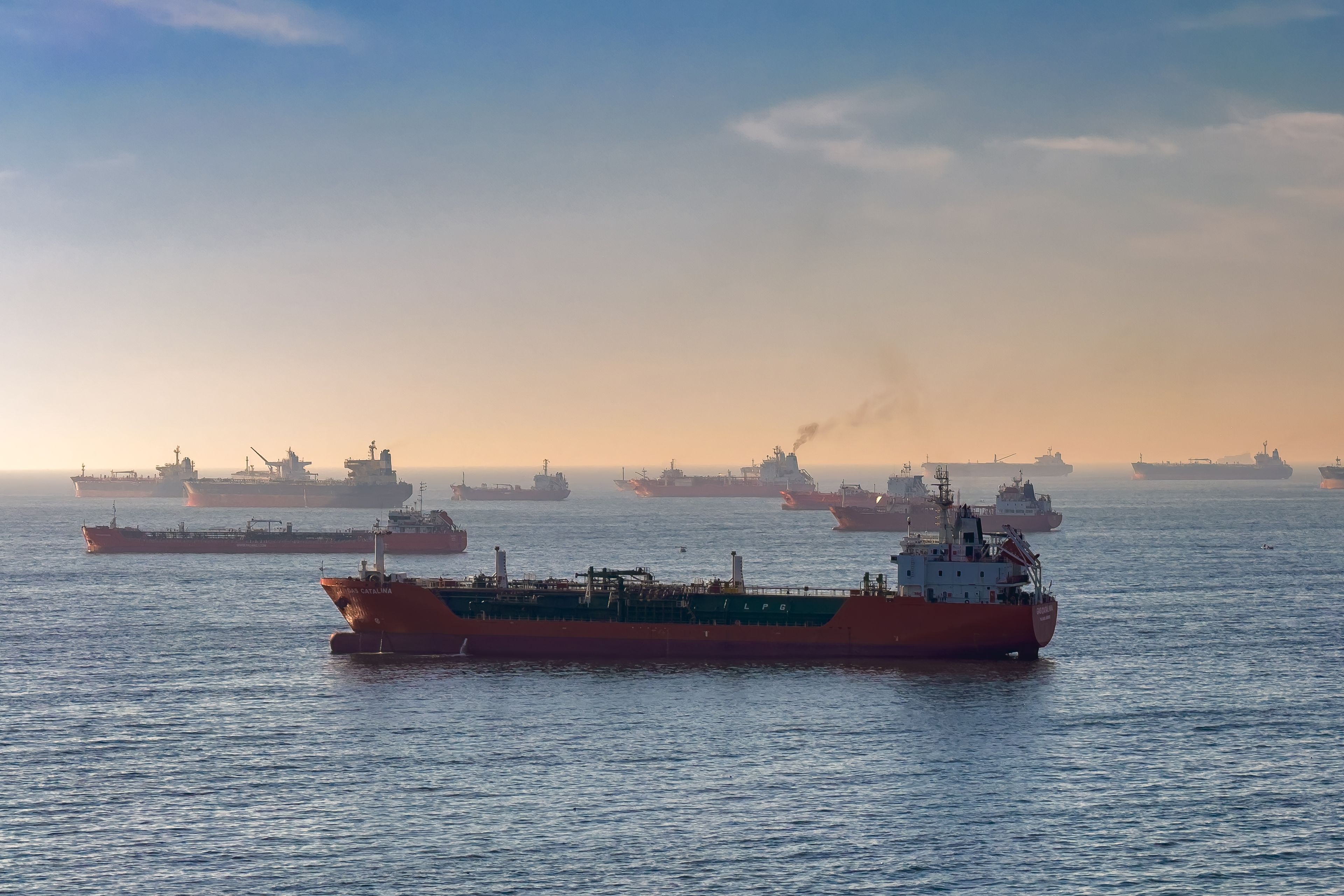
The last 48 hours have seen a flurry of maritime incidents in and around the Strait of Hormuz, with commercial vessels reportedly struck and military escorts moving to reopen a vital shipping lane. Outlets differ sharply on who struck first, whether the U.S. response is humanitarian or escalatory, and what this means for regional stability.
What Actually Happened
- Several commercial vessels in or near the Strait of Hormuz were reported hit or damaged in the past two days.
- U.S. naval forces moved to escort stranded or delayed merchant ships through the strait.
- Iranian and U.S. statements offer competing accounts of whether Iranian forces struck ships or whether U.S. operations provoked hostile responses.
Related coverage: US Warns Shipping Firms Over Iran 'Tolls': Sanctions Threat or Humanitarian Shortcut?.
The Coverage, Compared
According to Reuters, live briefings describe an operation by U.S. forces to escort commercial vessels and reports of Iranian attacks on a mix of merchant and military targets. Reuters presents a timeline emphasizing ship movements, official U.S. statements offering a humanitarian rationale, and repeated clarifications from Tehran denying or recharacterizing certain strikes.
According to The New York Times, analysis focuses more on the political theater: U.S. officials portray escort missions as protecting global commerce, while critics — including some regional governments — warn such moves risk breaching fragile ceasefires and could be read as power-projection.
According to The Washington Post, on-the-ground reporting highlights merchant skippers' fear: insurance claims, insurance premium spikes, and near-miss incidents that commercial captains call "too close to sail". The Post also includes local port sources who question public military narratives about the exact sequence of events.
According to CBS News, live updates stitched from multiple briefings underscore confusion: casualty and damage reports change between bulletins, and local media and state media in Iran publish different versions of the same events.
What the Headlines Leave Out
-
Local maritime operators and insurers: Independent voices on the ground — captains, port handlers, insurance brokers — overwhelmingly frame this as a commercial and safety crisis rather than a clear-cut military victory. Their accounts emphasize delayed shipments, rerouted tankers, and the economic ripple effects for energy and food prices.
-
Regional smaller players: Gulf littoral states and smaller shipping registries are more likely to couch statements in measured language, prioritizing de-escalation. Their quiet diplomacy rarely makes headlines but shapes ship routing and port access choices.
-
Alternative media and regional outlets: Some Persian- and Arabic-language outlets give prominence to different incidents (for example, drone strikes on feeder ports) that Western outlets treat as secondary. Those stories change the implied causal chain: are attacks retaliation for a blockade, or preemptive messages ahead of negotiations?
"For seafarers, this is not a geopolitical abstract — it is a day of lost cargo, higher premiums, and disrupted lives," says a maritime insurance broker reached off-record. That lived economic cost is underreported when coverage focuses on headline-grabbing military claims.
The Takeaway
The reporting gap here is a classic case: headline outlets are right to track military statements and ship movements, but those accounts miss the small-scale, high-frequency economic harms and the patchwork of local diplomatic moves that actually shape outcomes. Two forces drive the gap:
-
Incentives of high-profile outlets: Speed and access favor official briefings and military-friendly narratives that can be quickly verified with a press release or a spokesperson on the record.
-
The friction of granular sources: Local operators, broker notes, port authorities, and regional-language outlets require time, translation, and persistent reporting — work editors often deprioritize under deadline pressure.
Readers should therefore treat early, official-focused coverage as a starting point, not the full story. The operational reality in the Strait of Hormuz is mediated by insurance markets, rerouting logistics, and quiet regional diplomacy. Those mechanisms determine whether a short flare-up becomes sustained disruption — yet they rarely lead the evening bulletin.
Bottom line: Watch the shipping lanes, not just the headlines. If commercial routing and insurance behavior change, markets — and ordinary consumers — will feel this long before the diplomatic talking points catch up.
Sources & Further Reading
-
Reuters: live reporting and U.S./Iran official statements timeline
-
The New York Times: analysis of political signaling and potential escalation paths
-
The Washington Post: on-the-ground reporting and maritime source interviews
-
CBS News: live updates compiling multiple official and local reports
Excerpt: Conflicting official statements and messy on-the-ground reporting in the Strait of Hormuz have reopened questions about how to keep commercial shipping safe — and who pays when diplomacy fails.
Related stories
Hijacked Tanker off Yemen Exposes a Global Shipping Riddle — Piracy, Politics, or Something Else?
An oil tanker seized off Yemen highlights how piracy, weak maritime enforcement, and geopolitics combine to make shipping routes vulnerable.
Read the storyUS Warns Shipping Firms Over Iran 'Tolls': Sanctions Threat or Humanitarian Shortcut?
The U.S. warned maritime companies about sanctions risk tied to payments for passage through the Strait of Hormuz — a move that pits legal enforcement against on-the-ground shipping and humanitarian realities.
Read the storyMarkets Rally After Report U.S. and Iran Near One-Page Memo to End War
Markets jumped and oil prices fell after reports that the U.S. and Iran are close to a one-page memorandum that could end the regional war, though key details remain contested.
Read the story