
Hijacked Tanker off Yemen Exposes a Global Shipping Riddle — Piracy, Politics, or Something Else?
An oil tanker seized off Yemen highlights how piracy, weak maritime enforcement, and geopolitics combine to make shipping routes vulnerable.
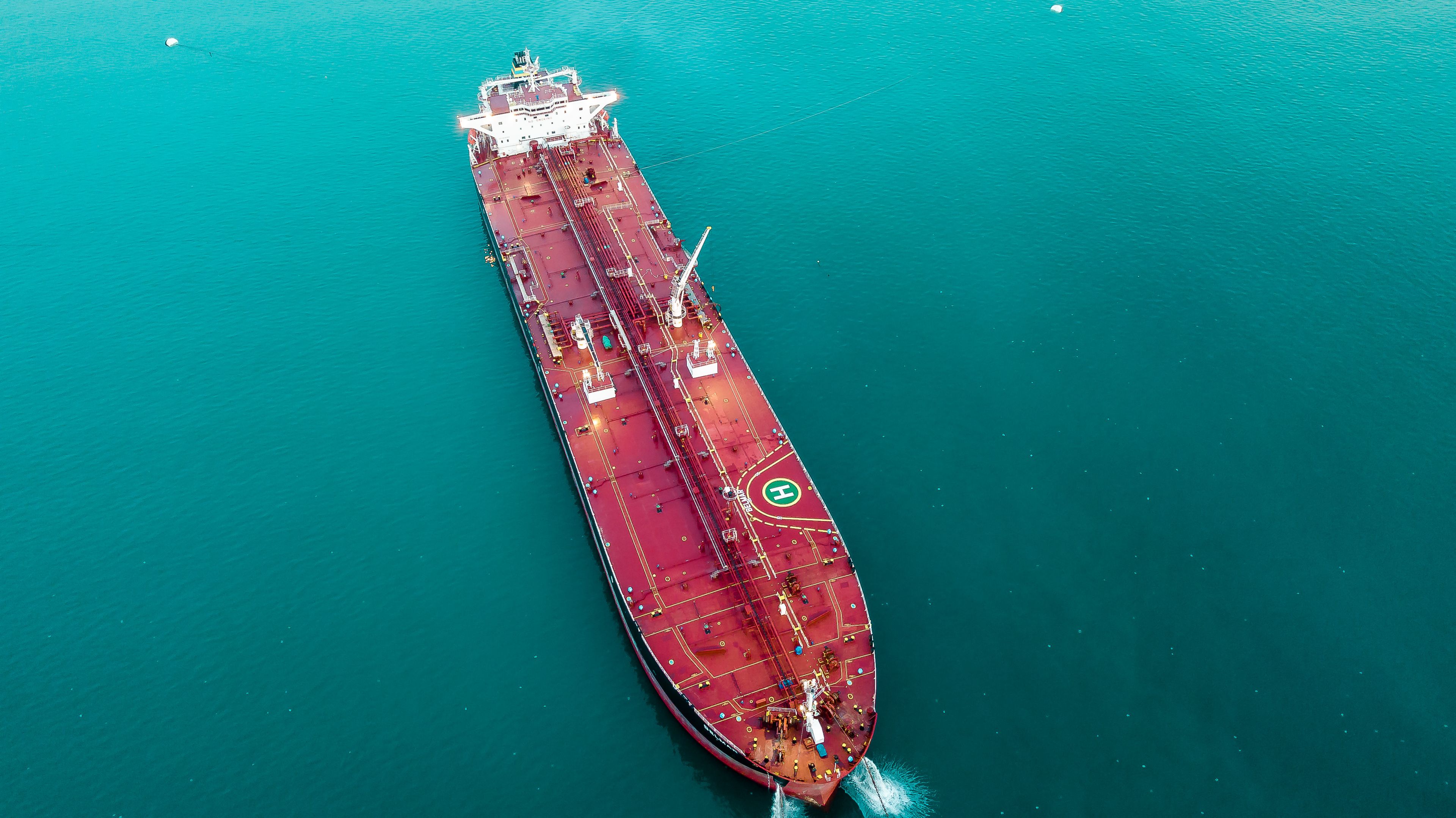
A heavily laden oil tanker was seized off the Yemeni coast and is reported to be headed toward Somalia — the second similar incident in days. Different outlets frame the episode as classic piracy, as a symptom of failing maritime law, or as a geopolitical pressure tactic. The truth sits in between: maritime crime, weak enforcement, and regional politics are colliding in ways mainstream headlines gloss over.
What We Know
- An oil tanker was hijacked off the coast of Yemen and is being redirected toward Somalia.
- This is the second such seizure reported in roughly ten days, according to BBC and other outlets.
- Authorities and shipping firms warn of rising risks to commercial routes in the Gulf of Aden and Red Sea. See also our reporting on this thread: Strait of Hormuz: Conflicting Claims After Attacks on Commercial Ships.
How the Major Outlets Framed It
-
According to BBC News ("Oil tanker hijacked off coast of Yemen and taken towards Somalia"), this incident looks like a repeat of recent piracy-style seizures that threaten global energy and trade routes. BBC emphasizes shipping disruption and immediate economic risks.
-
According to Al Jazeera (coverage of maritime law and enforcement), the story is less about individual criminal gangs and more about systemic legal gaps: overlapping jurisdictions, under-resourced coast guards, and inconsistent enforcement create an environment where ships become easy targets.
-
According to The New York Times and The Guardian (wider diplomatic lenses), some western analyses frame the seizure as a geopolitical pressure tactic — actors exploiting legal gray zones and shipping vulnerabilities to exert influence or extract leverage in the wider regional conflicts.
Reality: all three angles are true, but partial. The seizure is an act of appropriation at sea — criminal in form — that thrives because international law, national enforcement, and diplomatic incentives are misaligned. Labeling it simply "piracy" treats it like isolated criminality; treating it only as a geopolitical weapon misses the on-the-ground mechanics that make such seizures repeatable.
What's Missing From the Front Page
-
Local maritime authorities and smaller regional outlets point to shipping firms' routings and insurance gaps that make some vessels easier marks. These local reports, rarely featured in U.S. headlines, show how commercial choices shape risk.
-
Fishermen and coastal communities, interviewed by regional reporters, describe a long-standing erosion of livelihoods and governance: coast guards are thinly staffed, and informal militias sometimes step into economic roles — collecting tolls, controlling ports, or seizing opportunistic rents.
-
Insurance and logistics analysts (specialist trade press) highlight how the cumulative effect of repeated seizures raises freight and insurance costs across supply chains — a slow-moving tax that rarely features in immediate headlines but shapes consumer prices later.
Sources & Further Reading
-
BBC: incident report and immediate market impact
-
Al Jazeera: structural failures in maritime law and enforcement
-
New York Times: geopolitical framing and diplomatic implications
-
Local/regional outlets: operational details, local incentives
The Takeaway
The gap between headlines and reality is not a conspiracy; it is a function of beats and incentives. Broad outlets report the sharp, visible shock — a tanker seized — while specialist and local reporting reveal the dull, structural causes that make seizures repetitive: weak coastal governance, commercial routing that concentrates risk, and a legal regime that relies on reluctant international cooperation.
Why it matters: readers who stop at the headline will assume a sudden spike in piracy or a single bad actor. Understanding the enforcement and economic incentives explains why this is not a one-off and what practical fixes might matter: targeted funding for coast guards, insurance and routing reforms to avoid predictable vulnerability, and diplomatic pressure to close legal loopholes that allow seized vessels to be moved across jurisdictional lines.
If policymakers want to stop the next seizure, they have to treat this like the hybrid problem it is — part criminal, part governance failure, part geopolitical tool — and fund the local enforcement and logistic reforms that make piracy unattractive and unprofitable in the first place. Sources:
- BBC News — "Oil tanker hijacked off coast of Yemen and taken towards Somalia"
- Al Jazeera — "Why are maritime laws failing to secure the seas?"
- The New York Times — related coverage on regional maritime security
- The Guardian — reports on shipping and economic fallout
Related stories
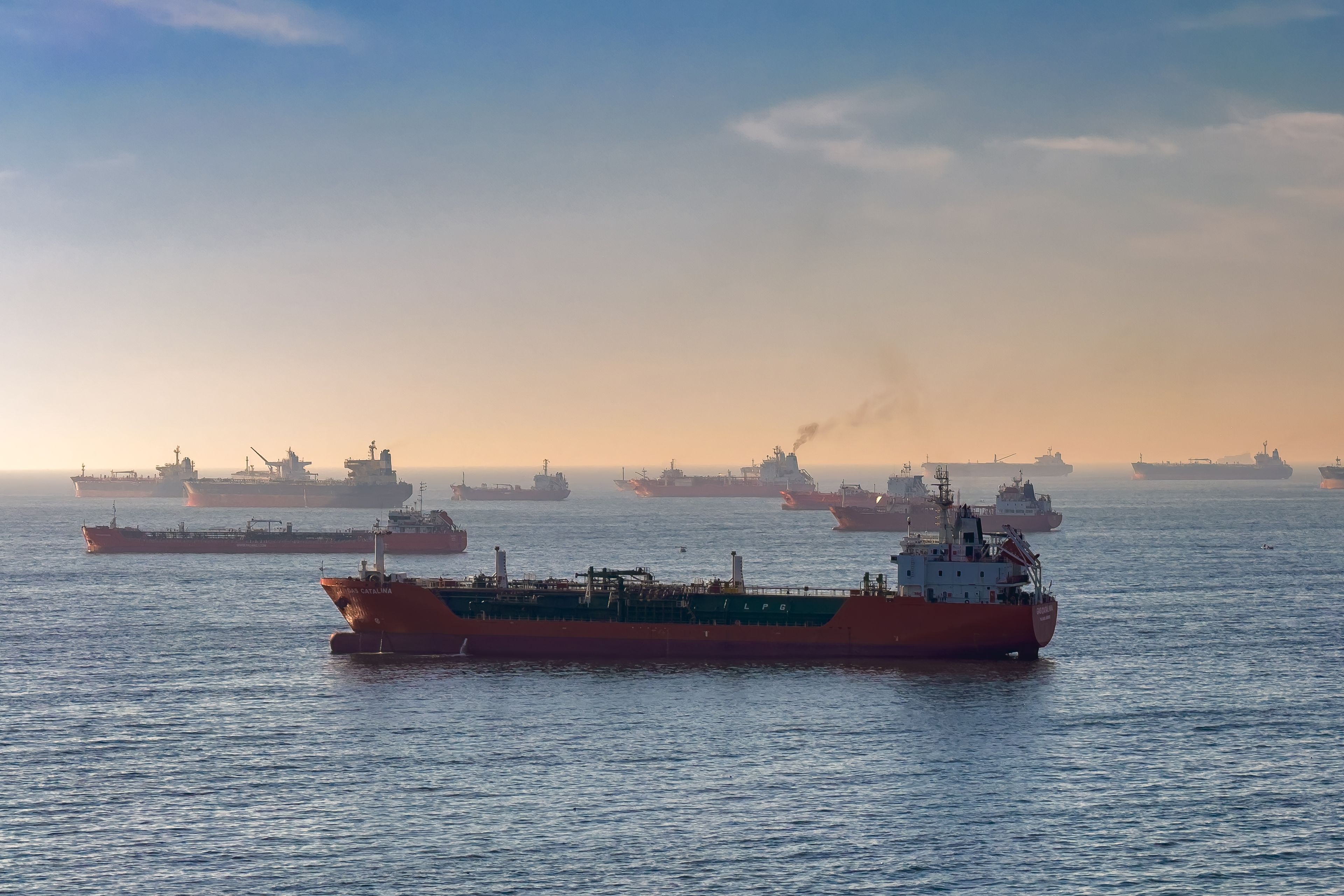
Strait of Hormuz: Conflicting Claims After Attacks on Commercial Ships
Conflicting official statements and messy on-the-ground reporting in the Strait of Hormuz have reopened questions about how to keep commercial shipping safe — and who pays when diplomacy fails.
Read the storyUS Warns Shipping Firms Over Iran 'Tolls': Sanctions Threat or Humanitarian Shortcut?
The U.S. warned maritime companies about sanctions risk tied to payments for passage through the Strait of Hormuz — a move that pits legal enforcement against on-the-ground shipping and humanitarian realities.
Read the story
The 90-Day Lifeline: Why the Jones Act Waiver is the Only Thing Keeping the US Economy Afloat
The Trump administration has extended the Jones Act waiver as oil hits 06 per barrel. Is this consumer protection or a signal of maritime collapse?
Read the story