
The 90-Day Lifeline: Why the Jones Act Waiver is the Only Thing Keeping the US Economy Afloat
The Trump administration has extended the Jones Act waiver as oil hits 06 per barrel. Is this consumer protection or a signal of maritime collapse?
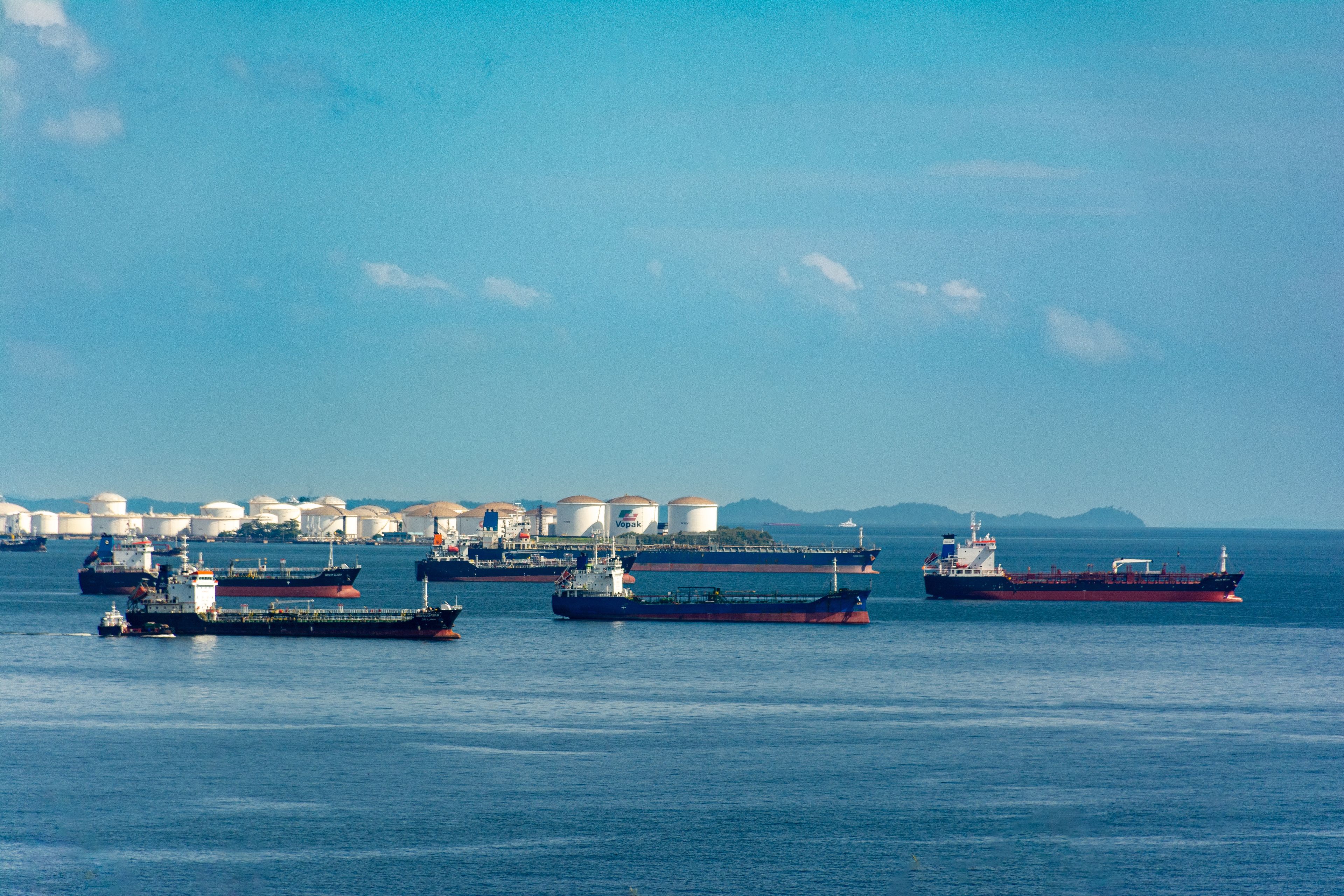
In a move that signals the true depth of the US energy crisis, the Trump government has officially extended the Jones Act waiver by another 90 days. While the administration frames this as a "proactive measure for consumers," a massive "Perspective Gap" is widening between the political rhetoric and the maritime reality of a country at war.
As of April 25, 2026, the US isn't just fighting a war in the Gulf—it's fighting a logistics war at home.
The Fact: The 90-Day Extension
On April 24, 2026, the US government extended a critical waiver for the Jones Act—a century-old law that requires goods shipped between US ports to be carried on US-built, US-owned, and US-crewed vessels. This waiver allows foreign-flagged tankers to move oil and LNG between American coasts to mitigate the shortage caused by the Hormuz deadlock.
Background from our archive: The Gold Paradox: Record Highs, "One Gram" Realities, and the Death of a Tradition.
What the Big Newsrooms Are Saying
Mainstream reporting from USA Today and domestic outlets focuses on the immediate economic relief:
- The Focus: Lowering gas prices, ensuring heating oil reaches the Northeast, and "putting America first" by dampening the $106 per barrel oil spike.
- The Vibe: Pragmatic and domestic-focused. The waiver is treated as a simple administrative "fix" for high prices.
The Perspective Gap: The Death of the American Merchant Marine
When you look at the international and technical analysis from Al Jazeera Economy and maritime observers, the "Gap" is revealed as a strategic failure.
- The Reality: The US is extending this waiver because its own domestic shipping fleet has effectively collapsed under the pressure of the war. There aren't enough US-flagged tankers to move the fuel the country needs to survive the Hormuz blockade.
- The "Gap": While the government talks about "dampening oil prices," the international view reveals that the US is outsourcing its national security logistics. By relying on foreign-flagged vessels to move its own oil, the US is admitting that its 100-year-old protectionist maritime policy cannot withstand a real-world energy crisis.
- The Geopolitical Toll: According to analysts in the Gulf, this waiver extension is proof to Iran that the US "maximum pressure" campaign is hurting Washington just as much as Tehran. The US is essentially using a "90-day lifeline" to avoid a total systemic collapse of its coastal energy distribution.
Reading Between the Frames
The "Perspective Gap" here shows us that the Jones Act waiver isn't a policy; it's a symptom.
In the domestic view, it’s a win for the consumer at the pump. In the global view, it’s a signal of logistical vulnerability. Every time the US extends this waiver, it tells the world that the "American Fortress" is actually dependent on the very global shipping network it is currently struggling to protect in the Strait of Hormuz.
We aren't just seeing an administrative tweak; we are seeing the slow-motion dismantling of American maritime sovereignty.
Sources & Further Reading
-
Al Jazeera Economy: Reporting on the $106 oil spike and the Hormuz deadlock impact.
-
US Maritime Administration: Historical context of Jones Act waivers during national emergencies.
-
Bloomberg Energy: Analysis of coastal tanker availability during the 2026 conflict.
Related stories
Markets Rally After Report U.S. and Iran Near One-Page Memo to End War
Markets jumped and oil prices fell after reports that the U.S. and Iran are close to a one-page memorandum that could end the regional war, though key details remain contested.
Read the story
Strait of Hormuz: Conflicting Claims After Attacks on Commercial Ships
Conflicting official statements and messy on-the-ground reporting in the Strait of Hormuz have reopened questions about how to keep commercial shipping safe — and who pays when diplomacy fails.
Read the story
Port Battles and Shadow Fleets: Conflicting Claims After Strikes on Russian Tankers
Conflicting claims followed strikes on Russia's Primorsk port and nearby oil tankers. This piece separates frontline narratives from the technical, financial, and environmental realities.
Read the story