
US Warns Shipping Firms Over Iran 'Tolls': Sanctions Threat or Humanitarian Shortcut?
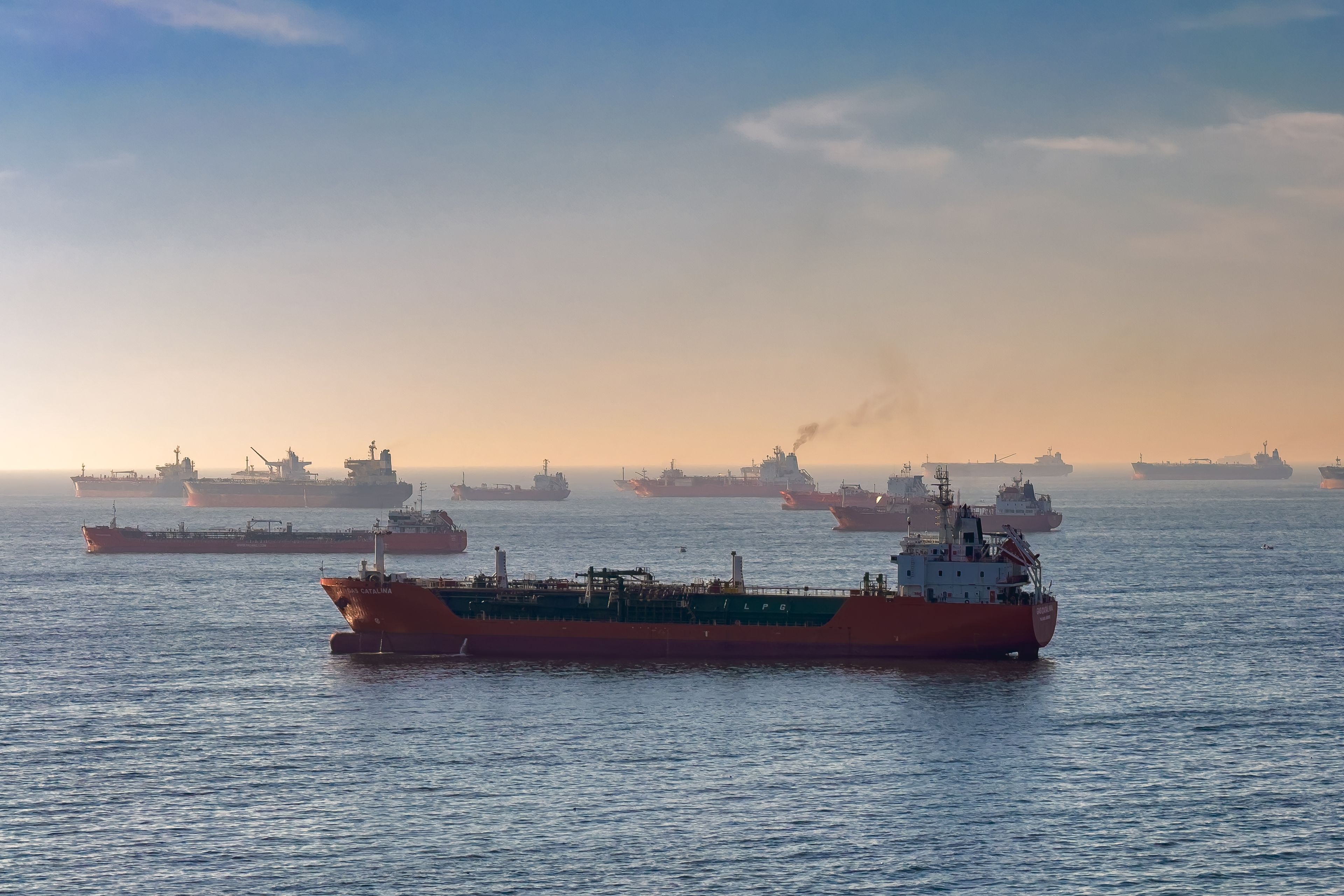
The U.S. warned maritime companies about sanctions risk tied to payments for passage through the Strait of Hormuz — a move that pits legal enforcement against on-the-ground shipping and humanitarian realities.
Brief intro paragraph: The U.S. Treasury has warned maritime companies that paying so-called "tolls" to Iran for passage through the Strait of Hormuz could expose them to sanctions. Outlets tell competing stories — is this enforcement against illicit financing, or a blunt policy that chokes humanitarian supply lines and forces risky detours?
The Confirmed Facts
- The U.S. Treasury's Office of Foreign Assets Control (OFAC) issued an alert warning shipping firms about sanctions risk from payments to Iranian authorities related to passage through the Strait of Hormuz.
- Iran has reportedly limited traffic through the strait and — by some accounts — collected payments or "tolls" to allow ships safe passage.
- Commercial traffic through the strait has fallen sharply; humanitarian groups and aid agencies warn the disruption raises costs and slows deliveries. Related coverage: Trump Repeats He’s 'Not Happy' With Iran as Deadline Looms — Posturing or Precursor?.
Where the Reporting Splits
According to BBC: the Treasury alert framed payments as potential sanctions violations and said the U.S. will target entities that help Iran move or repatriate funds. The BBC emphasized the legal and enforcement frame — the risk to insurers, banks and shipping companies.
According to the U.S. Department of the Treasury: OFAC explicitly named the maritime sector as exposed, listing payment types that could trigger enforcement (cash, digital assets, informal swaps, even donations), and announced new sanctions on Iranian currency exchange houses.
According to Al Jazeera: shipping disruptions include recent hijackings and seizures in nearby waters, and some reporting centers Iran’s collection of "tolls" as a practical measure in an environment where Tehran exerts control; Al Jazeera emphasized the operational and regional-risk side — why captains might pay to keep cargo moving.
Reality check: the mainstream enforcement narrative treats the problem as legal/financial — stop illicit revenue flows and pressure Tehran. The operational narrative treats the payments as an ad-hoc survival strategy for crews and charterers facing immediate danger or blocked ports. Both are true, but they point to different policy choices and different winners and losers.
"Payments that seem innocuous — a shore fee, a charitable donation, a convenience payment — can expose shippers to severe legal and financial risk," an OFAC-style bulletin warns. Meanwhile, logistics managers asked to reroute fuel and food shipments see cost curves and delivery time explode.
What the Headlines Leave Out
-
Local maritime crews and small shipping firms: Not quoted in the high-level Treasury messaging are the captains and local agents who say the decision to pay is made under duress — avoid seizure or harm to crew. That human calculus rarely appears in enforcement press releases.
-
Insurers and banks in non‑US jurisdictions: Many insurers rely on correspondent banking and U.S. dollar clearing. When OFAC says a payment could cause secondary effects, insurers quietly shift policy wording or increase premiums — a market response that isn't front-page news.
-
Humanitarian agencies: Organizations like UNHCR and aid NGOs have already reported higher costs and longer routes for relief shipments. Their perspective is that the fighting and the blockade — not just the sanctions policy — are what deprive civilians of timely aid.
-
Regional governments: Some Gulf states portray any payment as enabling Iran’s military revenue stream; other regional actors quietly accept the transactional reality to keep imports moving.
The Fuller Picture
Reporting has focused on two neat stories: law‑and‑order (OFAC’s crackdown) and operational risk (ships paying tolls). There's a missing third frame: the downstream humanitarian and market effects that translate legal choices into delays, higher prices, and reputational risk for small operators.
The perspective gap exists because policy actors (Treasury, OFAC) speak in deterrence and legality, commercial actors speak in risk-management terms, and humanitarian actors speak in delivery metrics. To close the gap, readers should treat payment incidents not just as compliance failures or criminality but as symptoms of a fracturing supply chain — one where legal pressure, naval blockades, and ad-hoc local decisions intersect.
Practical takeaway: journalists and policymakers should pair enforcement reporting with on-the-ground logistics interviews and insurer statements. That combined lens shows not only whether a payment is sanctionable, but who actually bears the cost when ships detour or delay: civilians waiting for food, medical supplies and medicines.
Sources & Further Reading
-
BBC: legal enforcement framing and impact on shipping numbers
-
U.S. Department of the Treasury / OFAC: official sanctions alert and designations
-
Al Jazeera: regional operational view and hijacking incidents
Related stories
Strait of Hormuz: Conflicting Claims After Attacks on Commercial Ships
Conflicting official statements and messy on-the-ground reporting in the Strait of Hormuz have reopened questions about how to keep commercial shipping safe — and who pays when diplomacy fails.
Read the story
Trump Repeats He’s 'Not Happy' With Iran as Deadline Looms — Posturing or Precursor?
A terse presidential remark about Iran has set off clashing narratives: political theater to some, a signal of real risk to others.
Read the storyMarkets Rally After Report U.S. and Iran Near One-Page Memo to End War
Markets jumped and oil prices fell after reports that the U.S. and Iran are close to a one-page memorandum that could end the regional war, though key details remain contested.
Read the story