
Saudi Pulls Back from Sports — Is the Sportswashing Experiment Over?
Saudi Arabia’s withdrawal of LIV Golf backing looks like both a financial correction and a strategic recalibration — here’s why it matters.
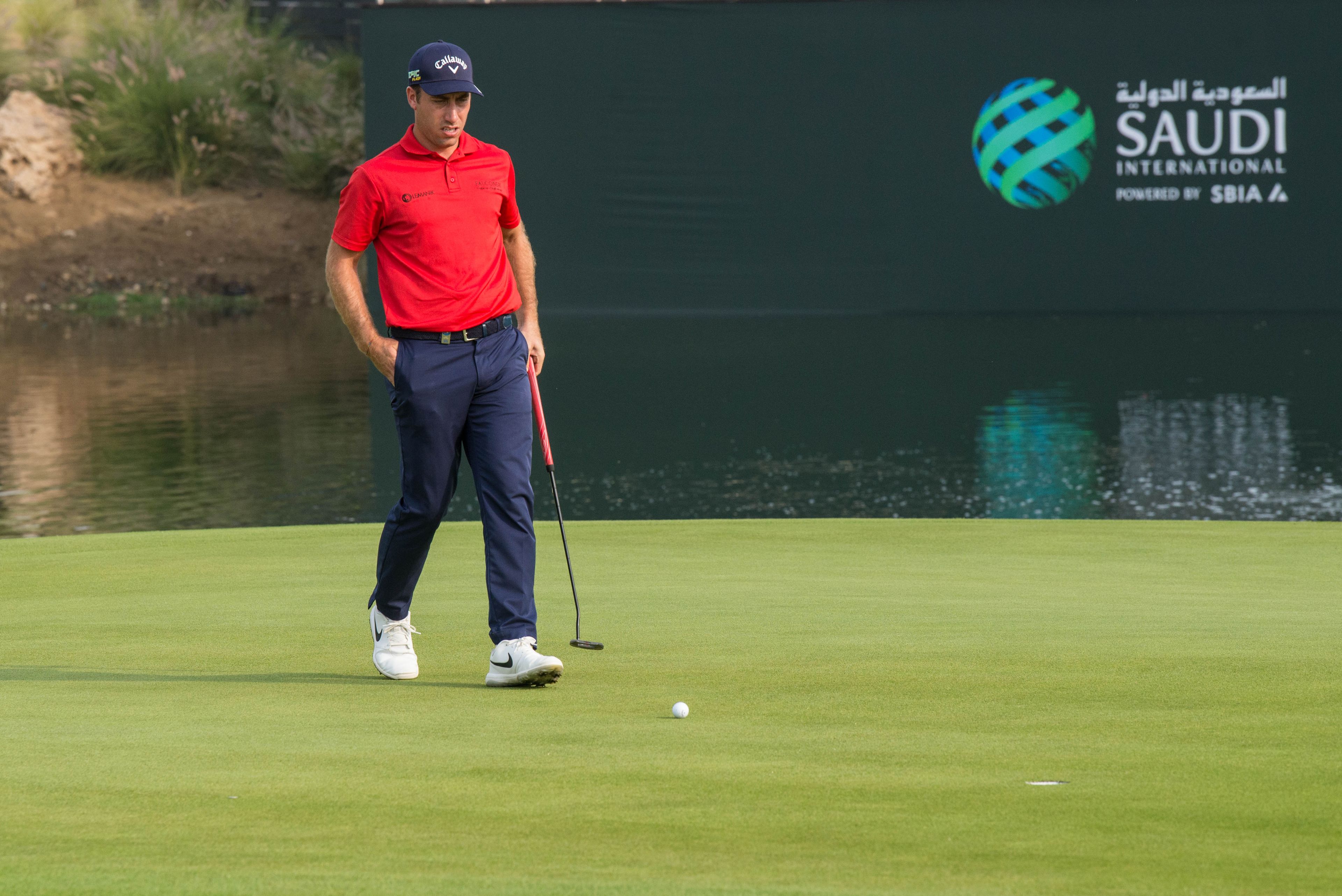
Saudi Pulls Back from Sports — Is the Sportswashing Experiment Over?
Saudi Arabia announced it will withdraw its multi‑billion dollar backing of the LIV Golf series at the end of the season. The move is being framed by some outlets as a pragmatic business decision; others call it an abrupt strategic retreat from a high‑profile tool of global soft power. Either way, the reversal forces a reckoning about sports, money and human rights in the public square.
First, the Facts
- Saudi Arabia has confirmed it will end its major financial support for the LIV Golf tour at the close of the current season.
- The withdrawal threatens the commercial future of the LIV series and raises questions about the kingdom's approach to sports investment.
- The announcement has prompted sharply different explanations across major outlets — from fiscal prudence to reputational calculation.
Same Story, Different Front Pages
According to BBC News (coverage framed around the business fallout), the decision is largely a financial retrenchment: organisers and investors are regrouping after years of expensive expansion and uncertain returns. That narrative emphasizes market signals, sponsorship pullback and the difficulties of sustaining a rival tour in a crowded global sports landscape.
According to Al Jazeera and several European outlets, the move is being read in political terms: a step back from a visible, expensive tool of international influence. Those outlets highlight how sports investments were tied to a wider campaign to soften criticism of the kingdom’s human rights record and to cultivate elite networks across the west.
According to US sports media and some business commentators, the withdrawal reflects a reassessment of return on investment — a pragmatic correction rather than an ideological conversion. Those analyses point to recent losses, litigation risk, and changing priorities in sovereign wealth allocation.
The reality sits at the intersection of these accounts: the decision is both financial and political. Big state-backed plays like LIV operate at the seam between brand-building and geopolitics — and are therefore vulnerable to shifts in either terrain. The simplest corporate explanation (bad economics) does not fully explain the timing; nor does a purely political reading explain the urgency of the financial calculus.
"The withdrawal is as much about optics as it is about spreadsheets — and timing matters."
The Angles You Won't See on Page One
- Regional voices: Saudi commentators and Gulf analysts frame the pullback as a strategic pivot, reallocating capital toward domestic development and regional sport initiatives — not an admission of error.
- Players and managers: inside the tour, athletes and executives stress contractual complexity and the difficulty of long-term planning when funding sources shift with political winds.
- Human rights advocates: for advocacy groups, the end of state backing does not erase years of reputational influence; it merely redistributes the debate to other arenas (investment in culture, tourism, and sports events).
Many mainstream pieces treat the decision as an isolated business story; the missing perspective is how the change reverberates through regional soft-power strategies and through the sports ecosystem that relied on Saudi cash. Local stakeholders — from tournament hosts to development programs — will feel effects that national headlines rarely record.
Closing the Perspective Gap
The headlines are telling two separate truths: sports investors are responding to hard financial realities, and the kingdom is recalibrating a costly approach to international influence. The perspective gap comes when reporting isolates one truth and treats it as the whole story.
Readers should understand that state‑backed sports investments are both economic projects and instruments of diplomacy. Pulling money out of one visible initiative won't end broader influence campaigns; it simply changes the instruments and venues. Observers who expect an immediate moral or political correction are likely to be disappointed: influence often migrates, not vanishes.
In short: this is neither a clean commercial failure nor a full moral pivot. It's a messy, strategic rebalancing. Watch where the capital goes next — stadium deals, domestic leagues, or quieter cultural sponsorships will tell the real story.
Sources & Further Reading
-
BBC News: business-centric framing
-
Al Jazeera: political and human-rights angle
-
Reuters: market and sponsor reporting
-
Guardian: cultural and editorial scrutiny
-
Excerpt:* Saudi’s withdrawal from LIV Golf is being read variously as a business correction, a reputational retreat, or both. The choice reveals how modern influence campaigns rely on money, optics and institutions — and why removing one lever rarely resolves the underlying strategy.
- saudi arabia
- sportswashing
- liv golf
Related stories
The $25 Loophole Sending Wild Mustangs to Slaughter
A legal loophole lets the government sell protected mustangs for as little as $25. Coverage splits between an NYT investigation, BLM's flat denial, and advocates' data.
Read the story
The AI Boom's Electric Bill Just Became a Midterm Weapon
Political reporters are covering the data-center backlash as a 2026 election story. Policy reporters call it a market failure. Both are skipping the part where nobody's fix is tested yet.
Read the story
$4.10 a Gallon: Inside the EPA's Three-Week Gas Price Fix
The EPA's emergency gasoline waiver reads as consumer relief in most coverage. Trade press shows it's also timed to the midterms and a win for ethanol producers.
Read the story