
Taiwan President's ‘Stowaway' Trip to Eswatini: Escape, Embarrassment, or Strategy?
A surprise visit by Taiwan's president to Eswatini has prompted contrasting narratives from Beijing, Taipei, and regional partners — and highlights how small-state diplomacy gets framed.
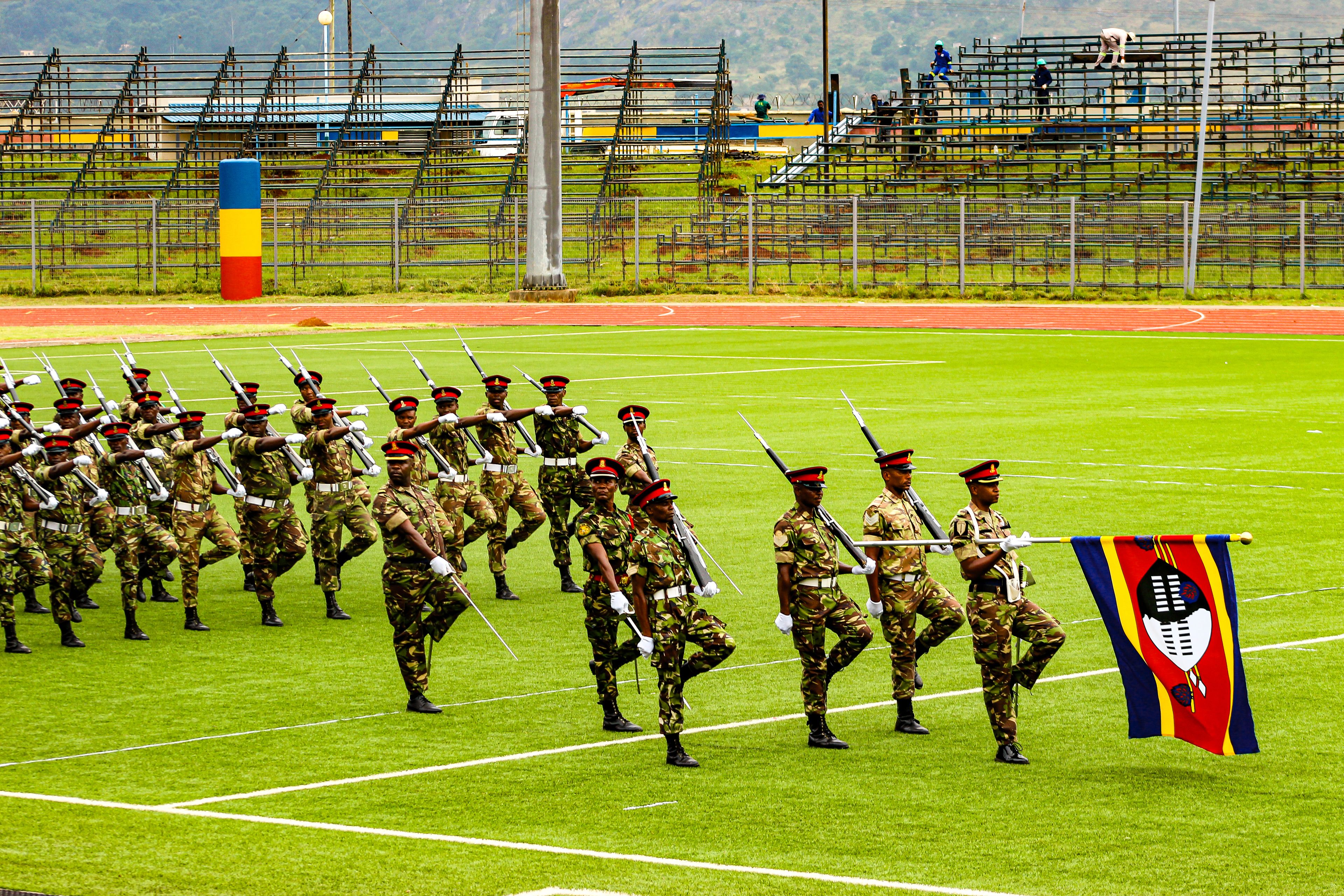
A surprise visit by Taiwan's president to Eswatini days after blaming China for a cancelled trip has set off sharply different readings: Beijing mocked the trip as a "stowaway-style escape farce," while Taipei framed it as a diplomatic necessity and a show of resilience. The quick, improvised routing and the furious reaction from China expose a small but revealing fault line in how outlets describe sovereignty, risk, and agency in cross-strait relations.
What Actually Happened
- Taiwan's president made an unexpected visit to Eswatini days after a previously planned trip was cancelled; the visit was confirmed by official channels.
- China criticized the visit, calling aspects of the arrival a “stowaway-style escape farce,” while Taiwan defended the president's safety and diplomatic intent.
- The trip prompted reactions from regional and global outlets across distinct political and editorial lines. Background from our archive: Trump Threatens to Restart Strikes on Iran: Posturing or Precursor?.
How the Headlines Diverge
-
According to BBC News, the visit looked like an abrupt diplomatic maneuver that prompted sharp public rhetoric from Beijing and raised questions about travel security for Taiwanese leaders.
-
According to The Guardian and several Western outlets, the incident underscores growing pressures on Taiwan’s international space and frames the visit as an act of defiance against Beijing’s efforts to isolate Taipei.
-
According to AP-style reporting norms (and statements from Taipei officials), the visit was coordinated with Eswatini and presented as a legitimate diplomatic engagement rather than a covert flight — the messaging difference is important and often lost in summaries.
The mainstream narrative emphasizes symbolism: Taiwan showing it can still conduct foreign visits despite Chinese pressure. The less-covered reality is logistical — routes were adjusted, wording mattered, and small states like Eswatini play an outsized role in Taiwan’s remaining formal relationships. The operational details (flight paths, security assurances, prior diplomatic contacts) are usually relegated to later paragraphs, while headlines privilege drama.
The Angles You Won't See on Page One
-
Local African perspectives: For Eswatini and other small states, hosting Taiwan is often transactional and pragmatic: aid, investment, and bilateral projects can outweigh geopolitical pressure. Local reporting may emphasize development expectations rather than high diplomatic theater.
-
Beijing’s domestic angle: Chinese-language outlets focus on narrative control and national pride — labelling the trip as a humiliation tactic works politically at home even if it oversimplifies the operational facts.
-
Taiwanese domestic politics: Opposition parties and pro-sovereignty voices may frame the visit as necessary leadership and proof of diplomatic grit; critics worry the optics risk escalation without clear strategic gain.
-
Airlines, aviation experts, and regional security analysts: These voices can explain how flights are rerouted, how stopovers are negotiated, and why a sequence that looks like a “stowaway” on social media may actually be a carefully managed logistics plan.
These perspectives change the story from a binary of provocation vs. defiance into a spectrum of pragmatic decisions shaped by small-state agency, domestic politics, and the operational realities of modern diplomacy.
Closing the Perspective Gap
The gap between headlines and the operational truths of this visit shows how the same event can be turned into competing narratives that serve distinct audiences. Headlines sell drama; officials sell legitimacy; local partners sell transactions. For readers trying to understand what actually happened, the takeaway is simple: focus on the incentives and constraints of each actor.
- Taiwan needs to maintain international ties and show it can act despite pressure.
- Eswatini seeks development partnerships and international attention.
- China prioritizes narrative control and deterrence signaling at home and abroad.
When outlets emphasize one of these drives and downplay the others, the public sees a simplified story. The real lesson: read past the headline. A diplomatic trip that looks improvisational on its surface can be the product of predictable incentives and careful — if hurried — planning.
Sources & Further Reading
-
BBC News: straight reporting on the visit and Beijing's reaction
-
The Guardian: analysis on international pressure and symbolism
-
AP / Associated Press: factual diplomatic confirmations and statements Source: https://www.bbc.com/news/articles/c809ln029ldo?at_medium=RSS&at_campaign=rss (BBC News)
Related stories
Markets Rally After Report U.S. and Iran Near One-Page Memo to End War
Markets jumped and oil prices fell after reports that the U.S. and Iran are close to a one-page memorandum that could end the regional war, though key details remain contested.
Read the story
Austria Expels Three Russian Diplomats: Antenna "Forest" or Diplomatic Overreach?
Austria expelled three Russian diplomats after authorities found rooftop antenna arrays on diplomatic buildings; Western outlets call it a signals‑intelligence operation, while Moscow insists the expulsions are politically motivated.
Read the story
Iran Reviews U.S. Reply to 14‑Point Ceasefire Plan: Diplomacy or Political Theater?
Iran says it has received a U.S. response to a 14‑point plan to end the war — a procedural step that could be meaningful only if mediators and operational guarantees translate public rhetoric into enforceable terms.
Read the story