
Road of Death: Ukrainians Trapped in Oleshky Face Starvation and Siege
Frontline residents in Oleshky report shortages, mined evacuation routes and reliance on volunteers as roughly 1,500–2,000 civilians remain cut off.
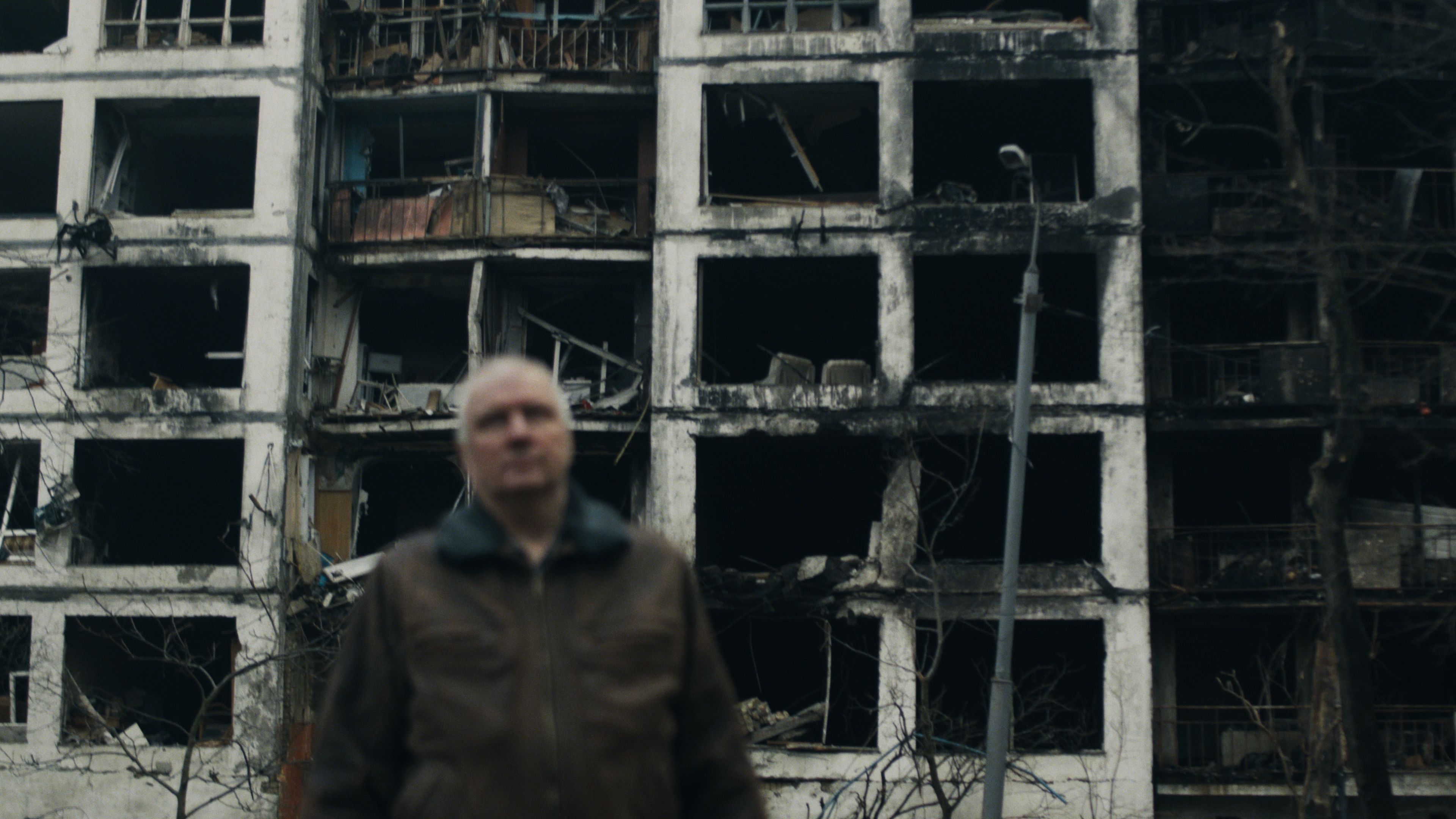
For residents of Oleshky in Kherson Oblast, the choice has hardened into a brutal calculus: stay inside a besieged, mined town and slowly run out of food and medicine, or risk the so-called “Road of Death” to reach safety. Local reporting and international outlets provide different lenses on the same facts — one humanitarian, one strategic — and the gap between those takes matters for how the world responds.
What's Beyond Dispute
- Oleshky, a frontline city in Kherson Oblast, is effectively cut off from reliable supplies of food, medicine, and safe passage.
- Local residents and volunteer groups report shortages and dangerous evacuation routes; aid deliveries are irregular and constrained.
- Multiple outlets report that roughly 1,500–2,000 civilians remain inside the area with limited options. For more context, read The Dollar Strengthens Amid Iran War: Economic Power vs Human Costs.
The Coverage, Compared
According to BBC News, reporting focuses on the human consequences: interviews with residents describe hunger, the presence of mines on escape routes, and the reliance on volunteers for food and medical help. BBC's account centers victims’ testimonies and the everyday logistics of survival under occupation.
According to The Kyiv Independent, Ukrainian outlets emphasize the humanitarian emergency as part of a broader wartime pattern of siege and forced immobility, linking local conditions to political and military decisions. Kyiv-based reporting frames the issue as an avoidable crisis exacerbated by occupation policies and interrupted aid corridors.
According to Ukraine Today, regional summaries emphasize the immediacy of shortages and the risk to vulnerable residents, especially children and the elderly, highlighting local activist accounts and volunteer evacuations.
The difference is not merely emphasis. International outlets often foreground the moral urgency and eyewitness testimony; domestic and regional reporting layers that with questions of responsibility and policy choices. Together they imply both a humanitarian shortfall and a political architecture that allows it to persist.
What's Missing From the Front Page
-
Russian state outlets and occupation authorities (not included in the primary source block above) tend to frame the situation as either stabilized or the result of Ukrainian sabotage — a narrative that shifts blame away from occupying administrations and complicates independent verification.
-
Humanitarian organisations on the ground and small volunteer networks describe logistical constraints — damaged bridges, mined roads, and curfews — that are often invisible to high-level diplomatic statements but decisive for civilian survival.
-
Older residents and farmers emphasize the long-term erosion of services (health, water, transport) that predate the immediate crisis; this continuity explains why recovery remains fragile even when short-term corridors open.
These perspectives show that while headlines can create a binary of "victims" and "perpetrators," the lived reality includes administrative neglect, the collapse of local markets, and the slow attrition of coping mechanisms.
Reading Between the Frames
The gap between international headlines and local reporting is not just tone — it's consequence. When global outlets center testimony and urgency, they push for humanitarian access. When regional reporting names administrative failings and occupation-era policy choices, it pushes for accountability and longer-term remedies. Editors and policymakers need both impulses: immediate relief for trapped civilians and pressure on the systems that enable sieges to persist.
Practical readers should take away two actions: first, treat eyewitness reporting as a primary signal of immediate danger — it should prioritize relief routes and urgent aid; second, treat local investigative reporting as the map to structural fixes — rebuilding supply chains, restoring governance, and ensuring independent monitors can verify safe corridors.
A third, less obvious point: humanitarian access must be matched with credible verification. Short-term aid deliveries without independent monitoring often become symbolic rather than transformative. Donors and journalists should demand both regular, verifiable corridors and transparent reporting on what reaches civilians. That combination reduces the chance that a single headline moment substitutes for sustained attention and resources.
Sources & Further Reading
-
BBC News: on-the-ground reporting about residents facing shortages and the dangerous evacuation routes.
-
The Kyiv Independent: Ukrainian reporting linking the humanitarian crisis to occupation policies and blocked aid corridors.
-
Ukraine Today: regional summary emphasizing immediate shortages and volunteer evacuations. Source name: BBC News
Source URL: https://www.bbc.com/news/articles/c893xj41zwdo
- ukraine
- kherson
- humanitarian
Related stories
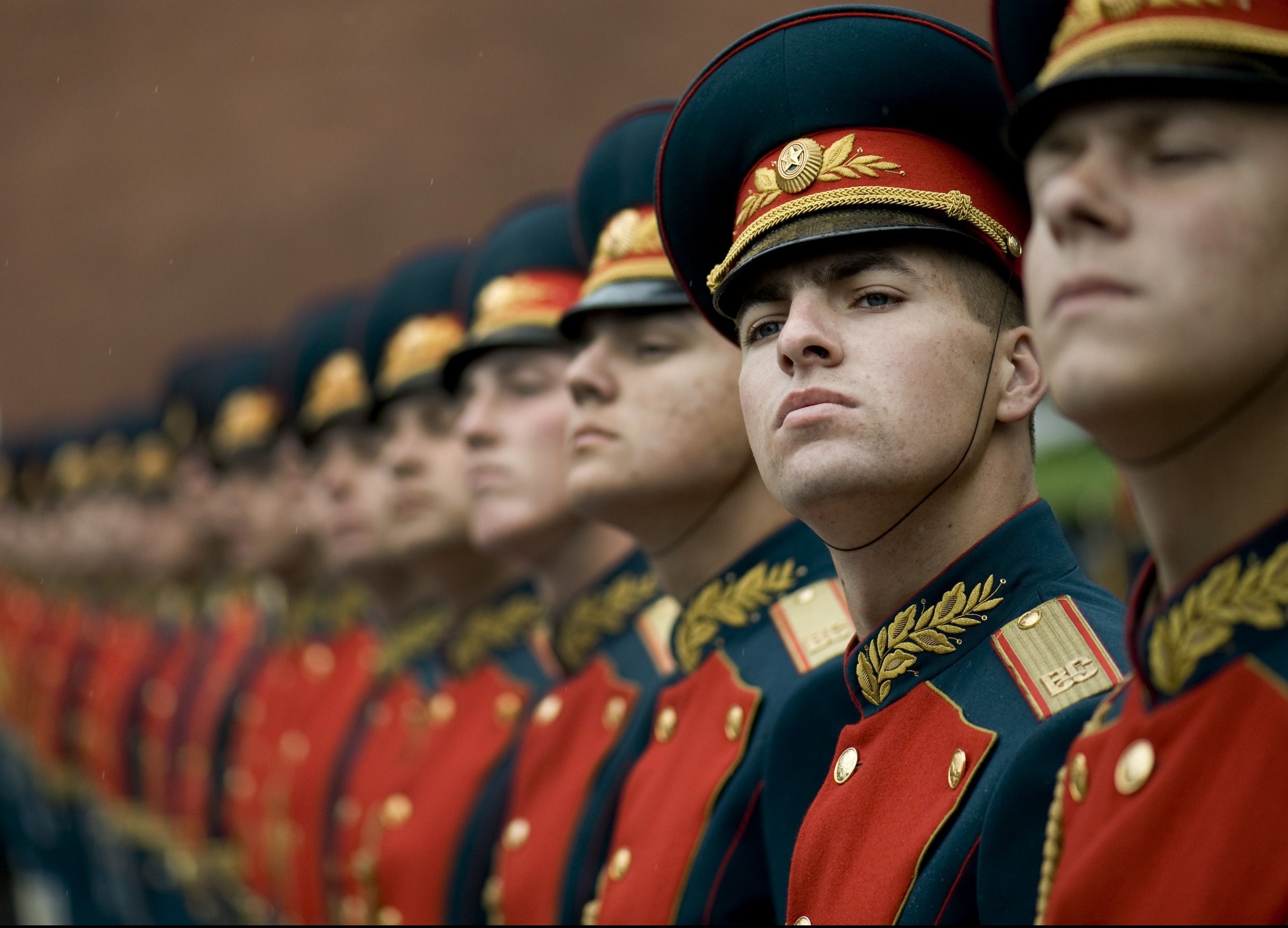
Putin Denounces NATO at Scaled-Back Victory Day Parade: Pageantry, Posturing, and the Two Tellings
Putin used a smaller Victory Day event to frame NATO as a threat and to justify ongoing military policy, a speech that reads differently at home and abroad.
Read the story
Rival Ceasefires, Rising Casualties: What Two Very Different Headlines Miss About the Latest Strikes
Strikes across Ukraine on May 5 left dozens dead amid competing ceasefire claims from Moscow and Kyiv; here’s what different outlets are emphasizing.
Read the story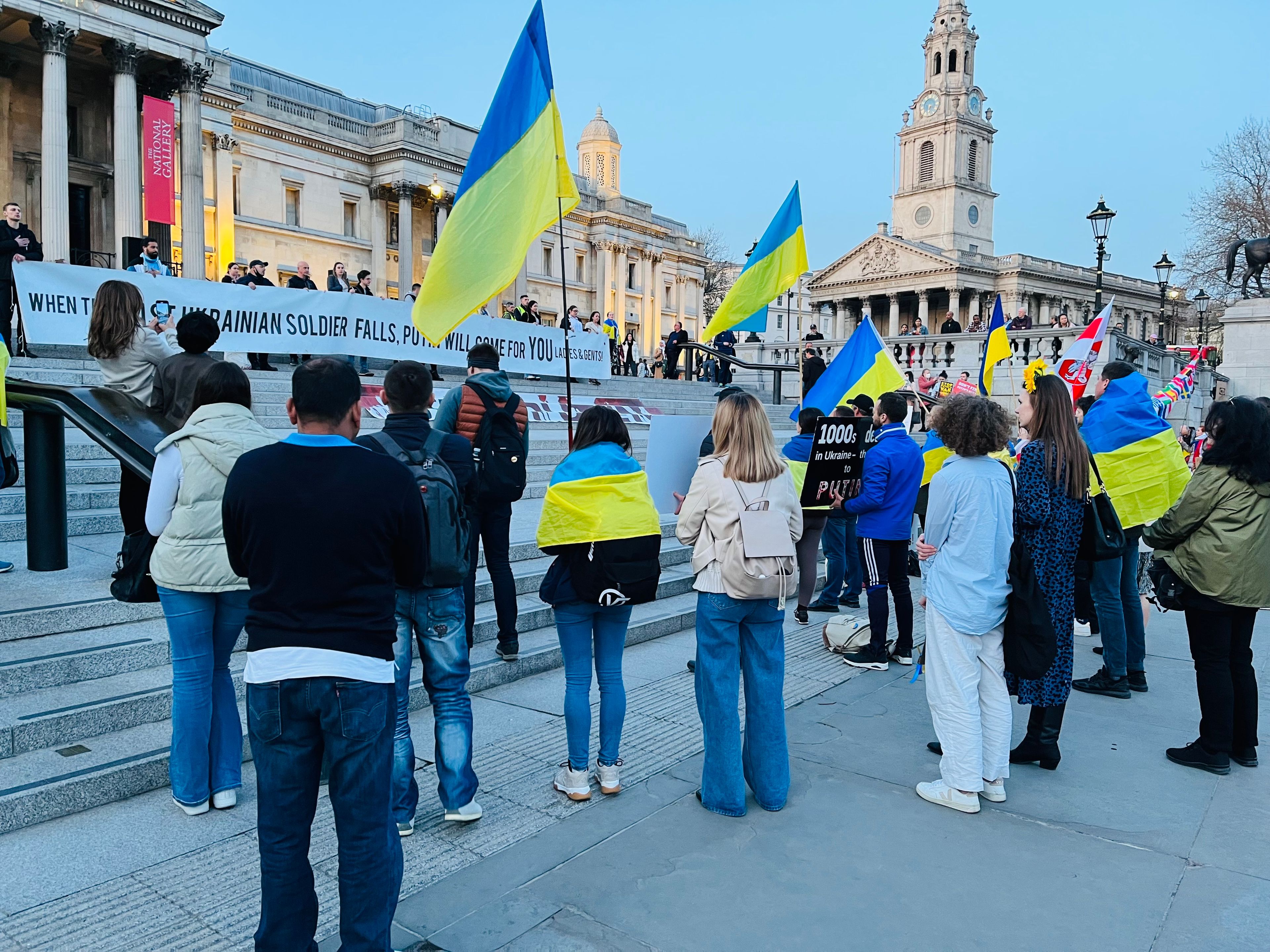
Ceasefire or Cover? Competing Truces and Deadly Strikes in Ukraine Ahead of Victory Day
As Moscow announces a pause for Victory Day and Kyiv offers its own open-ended truce, civilian deaths from overnight strikes expose how unilateral pauses are as much about optics as they are about stopping the bloodshed.
Read the story