
Ceasefire or Cover? Competing Truces and Deadly Strikes in Ukraine Ahead of Victory Day
As Moscow announces a pause for Victory Day and Kyiv offers its own open-ended truce, civilian deaths from overnight strikes expose how unilateral pauses are as much about optics as they are about stopping the bloodshed.
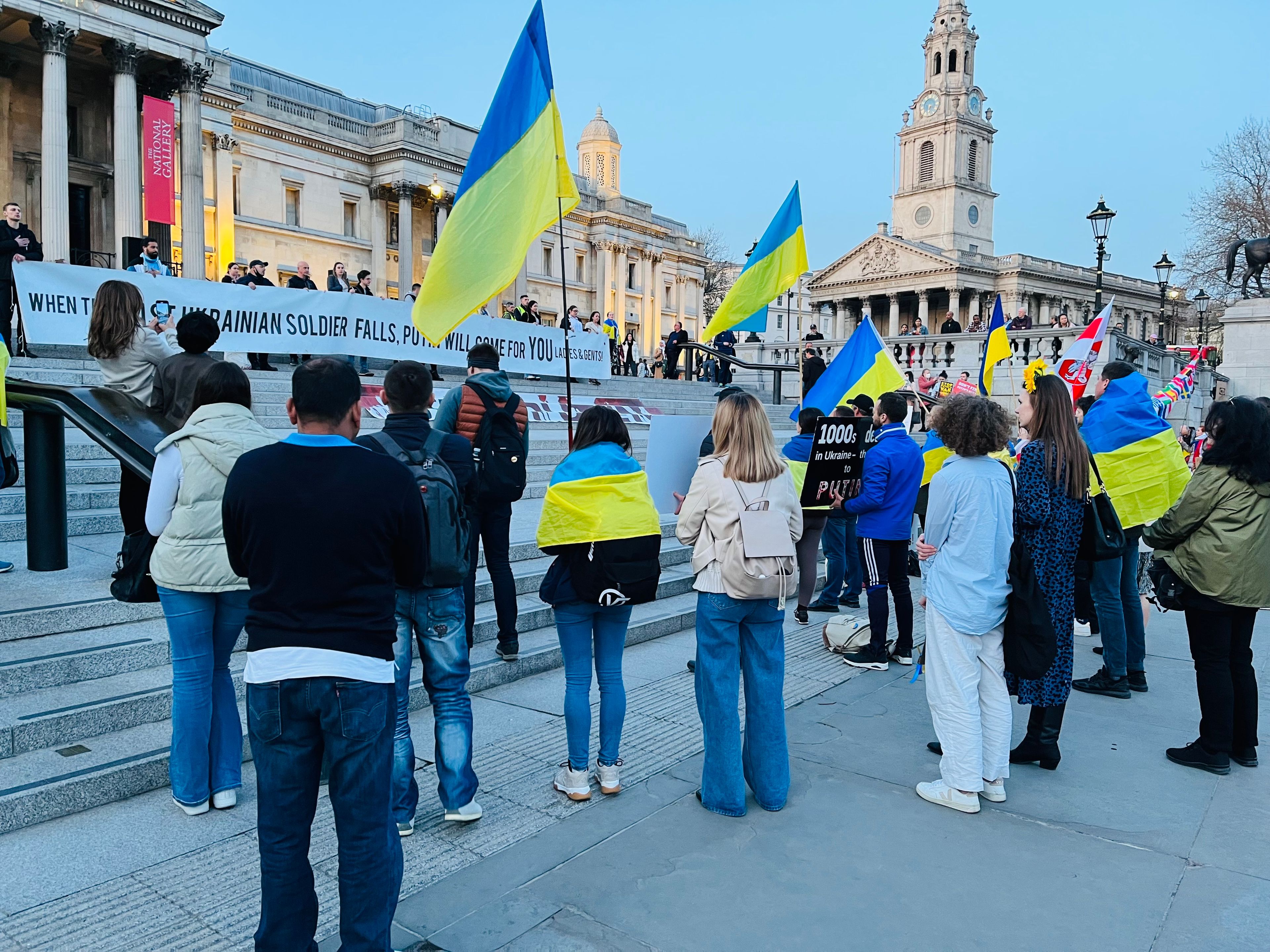
Ceasefire or Cover? Competing Truces and Deadly Strikes in Ukraine Ahead of Victory Day
A flurry of missile and drone strikes across Ukraine has killed and injured civilians even as Moscow and Kyiv announce competing ceasefires tied to Russia's Victory Day celebrations. The clash of timelines — Moscow's short, parade-centered pause versus Kyiv's open-ended offer — has produced sharply different narratives from each side and left civilians caught in the messaging.
The headlines are straightforward: officials on both sides frame the other's behavior as cynical and to blame. The deeper story is how unilateral pauses, without verification, are being used as strategic signals. That difference between surface reporting and strategic intent is where the Perspective Gap lives. See also our reporting on this thread: Port Battles and Shadow Fleets: Conflicting Claims After Strikes on Russian Tankers.
The Confirmed Facts
- Overnight missile and drone strikes damaged energy infrastructure and killed at least five people in regions including Poltava and Kharkiv, with dozens wounded.
- Russia announced a unilateral ceasefire for 8–9 May to coincide with Victory Day; Ukraine said it would observe an open-ended ceasefire beginning on 6 May and respond "symmetrically" to any violations.
- Both sides have published statements framing the other as the actor using pauses instrumentally rather than in good faith.
Where the Reporting Splits
According to BBC News: Russia announced a ceasefire to protect propaganda celebrations in Moscow, and Ukraine condemned the timing as "utter cynicism" after overnight strikes killed civilians.
According to The Guardian: The Poltava strikes that killed emergency workers and energy employees were portrayed as evidence of a deliberate Russian tactic to secure domestic optics while continuing military pressure.
According to The Independent: Live reporting emphasized the back-and-forth nature of unilateral truces — Kyiv’s earlier, open-ended offer aims to put diplomatic pressure on Moscow while giving Ukraine a narrative advantage if attacks continue. The Independent also highlights the immediate human consequences: gas disruption, damaged railway infrastructure, and local emergency responses.
These mainstream pieces align on the basic facts but diverge in emphasis: state media narratives, on-the-ground casualty reporting, and live updates that tie battlefield developments to diplomatic signaling.
What the Headlines Leave Out
- Local officials and residents in Poltava describe the strikes as hitting civilian infrastructure first, then responders — a pattern that deeply affects civilian trust and the perceived legitimacy of protection measures. For communities, the calculus of safety becomes public messaging versus daily survival.
- Russian official statements and state outlets frame the ceasefire as a legitimate, short operational pause needed for public safety around commemorations.
- Independent analysts and regional experts point out that unilateral ceasefires without third-party monitoring become tools of propaganda and coercion. A party announcing a truce gains a rhetorical shield: any subsequent attack can be presented as the other's provocation.
- Humanitarian groups and medical staff are less interested in the diplomatic framing and more in practical consequences: interrupted supplies, damaged infrastructure, and the risk that double-tap attacks (striking, then hitting responders) will increase casualties.
Closing the Perspective Gap
The gap between reporting and lived reality boils down to verification. Major outlets accurately describe statements and reported casualties, but few fully interrogate the operational mechanics that let unilateral pauses serve political ends.
Readers should watch for three signs that a reported "ceasefire" is actually a political signal:
- Absence of third-party monitors or observers who can verify compliance;
- Rapid, unilateral announcements timed to major public events (which favor one side’s domestic narrative);
- Patterns of targeting infrastructure or responders that suggest tactical intent rather than incidental harm.
In short: a declared pause can provide political protection while doing little to stop harm. The human costs — families without gas, hospitals stretched thin, and first responders at risk — remain the clearest, least negotiable facts. Those are the details reporting must keep centered if readers are to understand the real stakes.
Sources & Further Reading
-
BBC News: reporting on Kyiv's condemnation of Russian strikes and the resulting civilian casualties ahead of Victory Day.
-
The Guardian: on-the-ground detail of the Poltava strikes and political optics surrounding the parade.
-
The Independent: live updates summarizing battlefield context and Kyiv’s reciprocal ceasefire offer.
-
Excerpt: As Moscow announces a pause for Victory Day and Kyiv offers its own open-ended truce, civilian deaths from overnight strikes expose how unilateral pauses are as much about optics as they are about stopping the bloodshed.*
Related stories

Putin Denounces NATO at Scaled-Back Victory Day Parade: Pageantry, Posturing, and the Two Tellings
Putin used a smaller Victory Day event to frame NATO as a threat and to justify ongoing military policy, a speech that reads differently at home and abroad.
Read the story
Rival Ceasefires, Rising Casualties: What Two Very Different Headlines Miss About the Latest Strikes
Strikes across Ukraine on May 5 left dozens dead amid competing ceasefire claims from Moscow and Kyiv; here’s what different outlets are emphasizing.
Read the story
Drone Strike Rocks Moscow Ahead of Victory Day: Kremlin Story vs. The Facts
A drone struck a Moscow high-rise days before Victory Day, exposing a widening strike range and clashing official narratives about intent, damage and casualties.
Read the story