
European Leaders Descend on Armenia: EU Embrace, Russian Unease
Armenia’s two-day diplomatic push with more than 30 European leaders is a strong signal — but symbolism is not the same as structural realignment.
A sudden cascade of summit meetings in Yerevan has placed Armenia — a country long inside Moscow's orbit — at the center of a European diplomatic push. Over two days more than 30 leaders, plus senior EU officials, gathered for the European Political Community and the first-ever bilateral EU–Armenia summit. The optics are unmistakable: a country that once relied on Russia is now openly courting Europe, producing competing narratives about what the summits mean for Armenia’s future.
First, the Facts
- Armenia hosted a two-day diplomatic sequence: the European Political Community summit followed by the first-ever EU–Armenia bilateral summit (4–5 May 2026).
- More than 30 European leaders and senior EU officials, including the presidents of the European Commission and European Council, attended in Yerevan.
- The gatherings mark a conspicuous shift in Armenia’s foreign engagements after Moscow’s muted response during the 2023 Nagorno-Karabakh crisis. Background from our archive: Lithuania Says It Broke Up Russian Sabotage and Murder Plots — What the West Isn't Saying.
Four Newsrooms, Four Angles
According to the BBC, the summits are symbolic evidence of Armenia’s pivot westwards, reflecting a public mood that the old security arrangements with Moscow have failed. The BBC frames the events as a clear sign that EU presence — from monitoring missions to diplomatic investment — has reshaped local perceptions of security and economic opportunity.
According to the European Council press release, the meetings are practical: formalising cooperation, delivering expert teams, and opening pathways for deeper technical and economic ties. The Commission’s messaging emphasises connectivity projects and economic support — a governance- and investment-led narrative.
According to The Guardian, however, the EU’s embrace carries geopolitical risk: closer ties risk provoking Baku and complicating relations with Russia, which still supplies cheap energy and hosts a military base on Armenian soil. The Guardian highlights domestic trade-offs and potential Russian pushback.
According to RFE/RL, local voices and opposition figures warn that the benefits may be slow to materialise and that dependence on Russian energy and security arrangements will not evaporate overnight. RFE/RL’s reporting underlines the fragility of the peace process with Azerbaijan and the danger of overpromising.
What the Headlines Leave Out
- Russian perspective: Moscow’s public posture has been cautious; Kremlin messaging stresses the existing strategic ties and the economic benefits Moscow provides, while Russian outlets foreground NATO and EU engagement as external interference.
- Armenian domestic nuance: many Armenians welcome greater European engagement but are also pragmatic — energy prices, military arrangements, and regional trade corridors remain urgent day-to-day concerns.
- Regional actors: Iran and Azerbaijan view deeper EU involvement through their own security lenses — Baku’s reactions to EU moves and Armenia’s evolving closeness to Europe will shape the durability of local ceasefires and corridors.
These perspectives are often missing from the primary headlines that frame the summits as a simple “pivot” away from Moscow. On the ground, the picture is one of gradual realignment under significant constraint: social expectations of Europe’s benefits meet the inertia of energy dependence, military realities, and regional geopolitics.
Putting the Pieces Together
The headlines and official communiqués highlight symbolism, speed, and strategic opportunity. But the real story is slower and messier: Armenia is conducting a delicate balancing act — accepting European political recognition and technical assistance while still embedded in Russian security and energy networks. The perspective gap is the difference between diplomatic theatre and structural change: leaders can gather in Yerevan and sign memoranda, but changing supply chains, military guarantees, and public services takes years.
Readers should watch for three signals that a real pivot is underway: concrete energy diversification (and price parity), irreversible connectivity projects (new trade routes with credible financing), and durable security arrangements that do not depend on ad-hoc Russian tolerance. Until those emerge, the summits are an important step but not a completed realignment.
Sources & Further Reading
-
BBC News: reporting on the summits in Yerevan and the symbolic shift in Armenia’s Western engagement.
-
European Council — EU Armenia Summit: official communiqués and the EU’s practical cooperation agenda.
-
The Guardian: analysis of geopolitical risks and domestic trade-offs in Armenia’s pivot.
-
RFE/RL: local reporting and political context around the summits. Excerpt: Armenia’s two-day diplomatic push with more than 30 European leaders is a strong signal — but symbolism is not the same as structural realignment.
- geopolitics
- armenia
- eu
- russia
Related stories
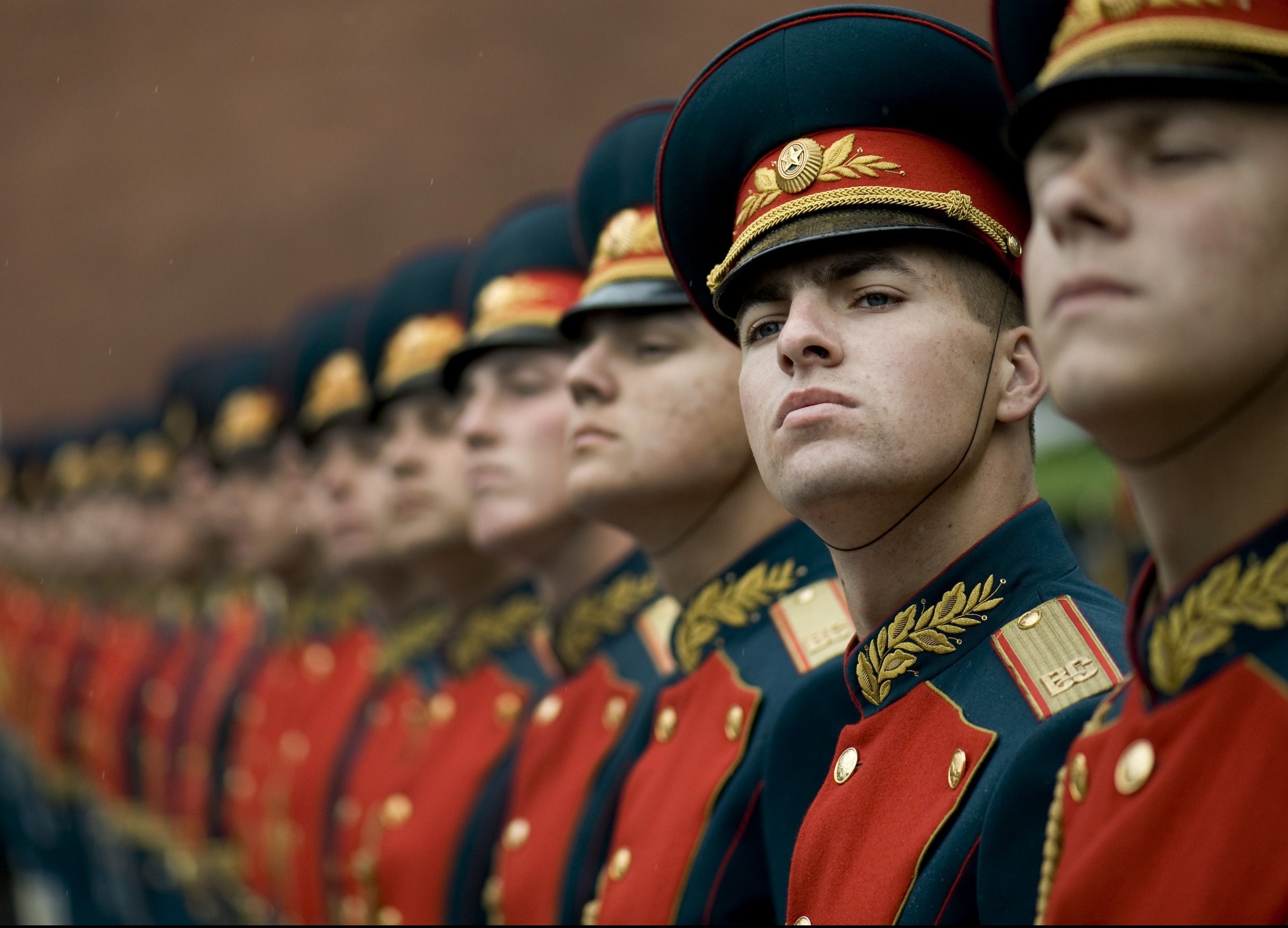
Putin Denounces NATO at Scaled-Back Victory Day Parade: Pageantry, Posturing, and the Two Tellings
Putin used a smaller Victory Day event to frame NATO as a threat and to justify ongoing military policy, a speech that reads differently at home and abroad.
Read the story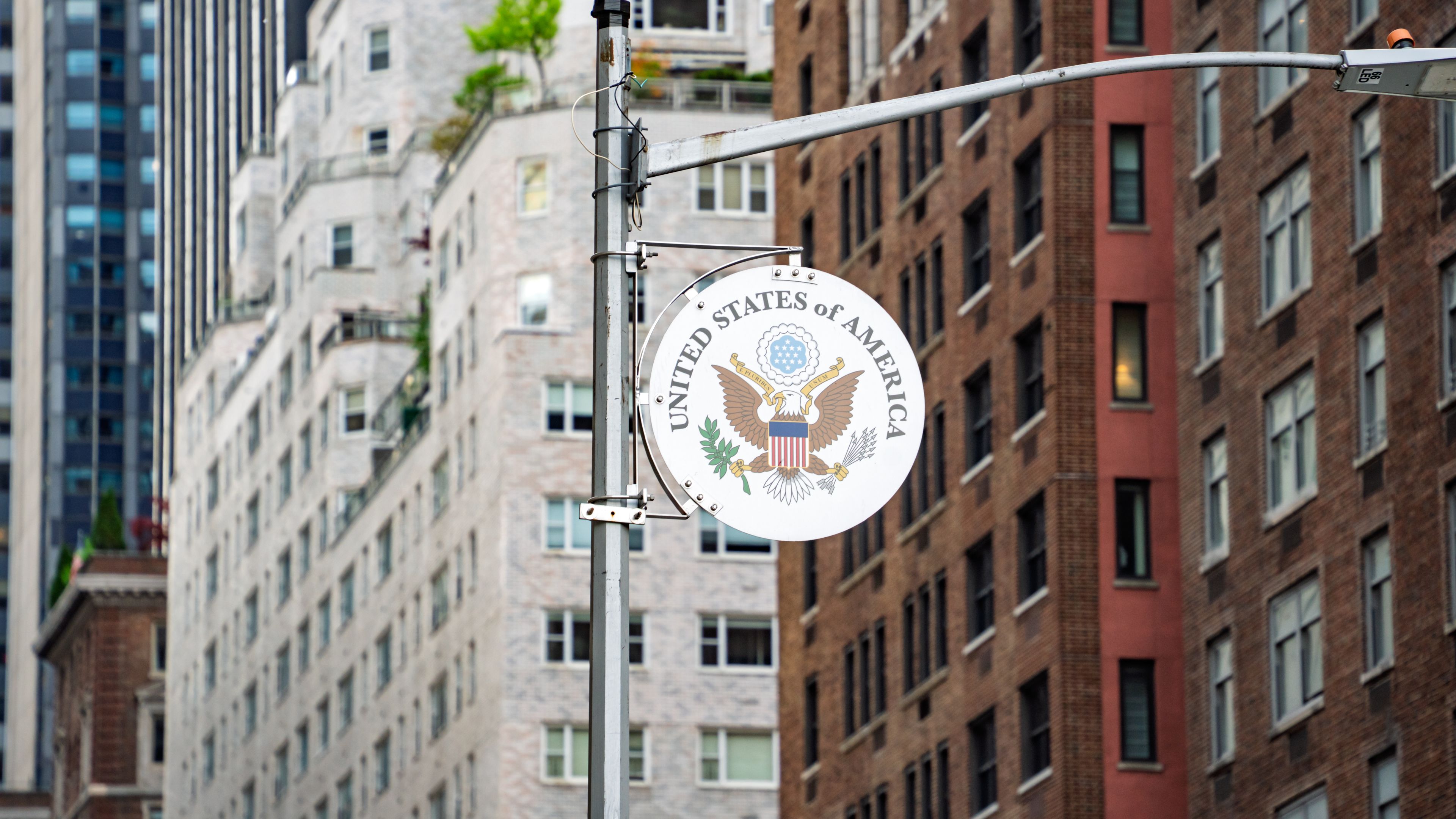
Austria Expels Three Russian Diplomats: Antenna "Forest" or Diplomatic Overreach?
Austria expelled three Russian diplomats after authorities found rooftop antenna arrays on diplomatic buildings; Western outlets call it a signals‑intelligence operation, while Moscow insists the expulsions are politically motivated.
Read the story
Drone Strike Rocks Moscow Ahead of Victory Day: Kremlin Story vs. The Facts
A drone struck a Moscow high-rise days before Victory Day, exposing a widening strike range and clashing official narratives about intent, damage and casualties.
Read the story