
Canvas Cyberattack Strands Students During Finals: What the Headlines Miss
Thousands of college students were locked out of Canvas during finals after a cyberattack that highlights a deeper resilience problem in education technology: when the platform fails, the whole semester can unravel.
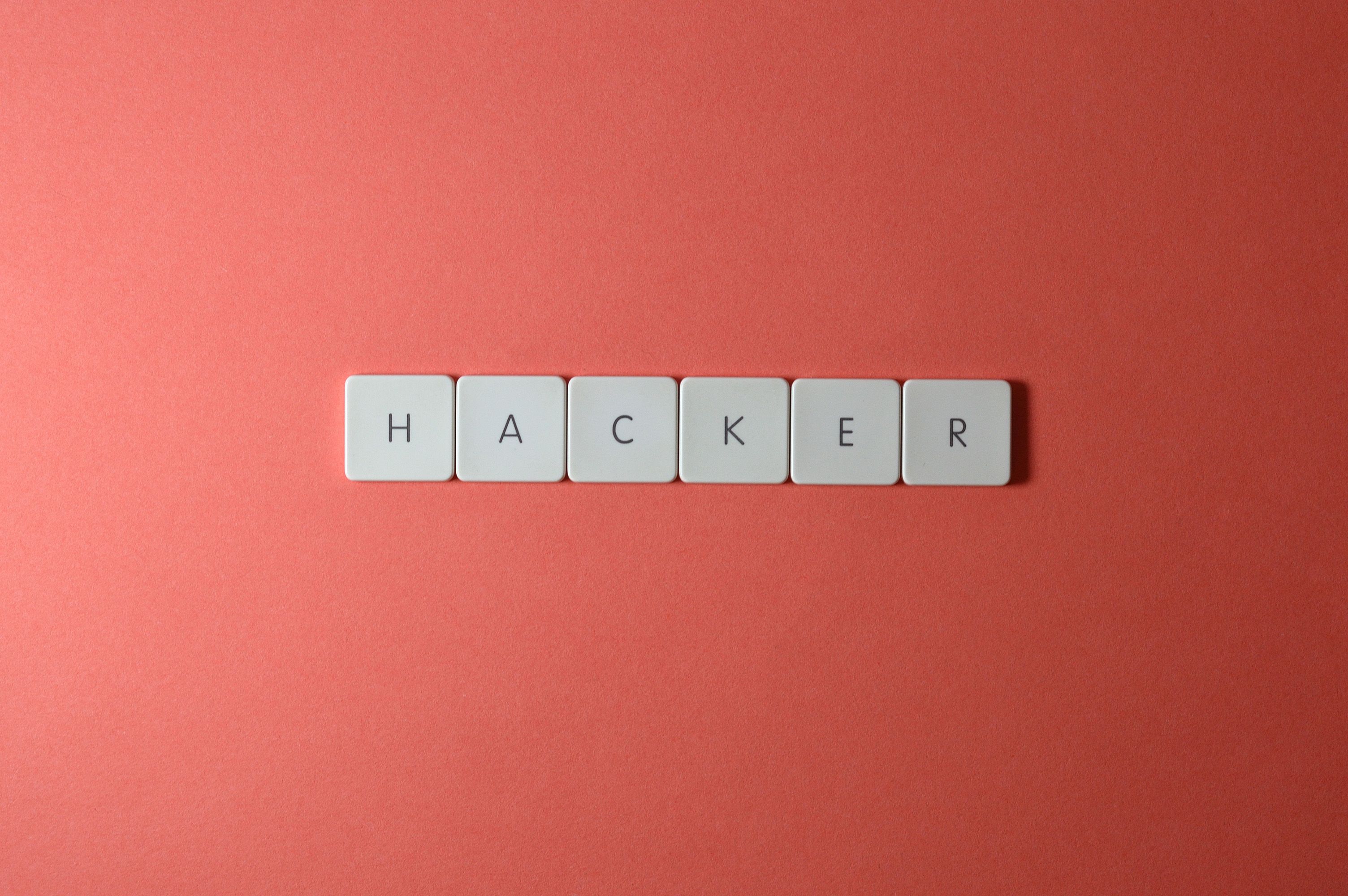
Canvas Cyberattack Strands Students During Finals: What the Headlines Miss
Finals week turned into a scramble for thousands of students after a coordinated cyberattack temporarily took the Canvas learning platform offline. The outage interrupted access to grades, course materials and assessments across multiple countries, exposing a fragile dependency in higher education’s digital backbone.
Start With What's Verified
- Canvas (managed by Instructure) suffered a cybersecurity incident that disrupted service for many universities and school districts.
- The outage lasted hours on May 7–8, affecting access to assignments, grades and course content at scale.
- A hacking group claiming responsibility (reported as ShinyHunters) asserted they had breached the company; companies and investigators are still assessing the scope.
How the Headlines Diverge
According to The Associated Press: the immediate impact was operational — students and instructors were locked out of a critical platform during finals, prompting some institutions to delay exams and scramble communications.
According to BBC News: the incident has a broader angle — a criminal group claimed responsibility and suggested exfiltration of data, raising alarm about stolen academic records and the long tail of privacy harm.
According to The New York Times: some coverage focused on scale and context, reporting that hundreds of millions of records may be affected and pointing to longer-term risk for student identity data and institutional continuity.
According to Time: commentary emphasized motive and timing — why a criminal actor would target an education platform now, and what it reveals about weak incentives for resilience in ed‑tech.
Voices Outside the Main Coverage
- Local administrators and small colleges felt the brunt: for many, Canvas outage meant in-person staff had to become ad-hoc help desks, and faculty without backup plans were left improvising new ways to grade and communicate.
- International students and low-bandwidth users were disproportionately harmed; some had to miss deadlines because alternative arrangements relied on the same systems or on high-speed internet.
- The story of contractual fragility is underreported: many institutions outsource core academic functions to a handful of vendors, concentrating risk in ways that neither regulators nor procurement teams have fully priced.
"For students, this isn't an IT problem — it's the system the semester runs on," said a campus IT worker who asked to remain anonymous. The human moment — missed deadlines, anxious students, faculty scrambling — is often erased by headlines about hackers and data totals.
Putting the Pieces Together
The headlines frame this as a cyberattack narrative: actor, claim, and possible data haul. That framing is accurate but incomplete. The real story is structural: how higher education built a delivery model that treats critical infrastructure as a commodity, and then lacks clear contingency rules when that commodity fails.
This matters for two reasons. First, the harm is everyday and cumulative: missed assessments, mental stress, and administrative overload will ripple across semesters. Second, policy and procurement conversations rarely center resilience as a primary metric; they prize cost and speed. Until institutions insist on contractual guarantees — uptime, incident response times, and transparent audits — the same gap will produce future crises that look similar but cost more.
Institutions can act now: set minimum contingency protocols for assessment periods, require vendors to publish incident playbooks, and prioritize low-tech fallbacks for essential moments like exams.
Sources & Further Reading
-
The Associated Press: reporting on the immediate operational impact at universities and students' reactions.
-
BBC News: coverage emphasizing the alleged group responsible and the potential data breach dimensions.
-
The New York Times: investigation into the scope and long-term risks for student data.
-
Time: analysis of motive, timing, and the ed‑tech resilience problem. Excerpt: Thousands of college students were locked out of Canvas during finals after a cyberattack that highlights a deeper resilience problem in education technology: when the platform fails, the whole semester can unravel.
- cybersecurity
- education
- data breach
Related stories

Minnesota's Water Hack Has Three Different Culprits, Depending Who You Ask
A cyberattack hit 30+ Minnesota water systems and spread to seven states. Federal investigators lean toward Iran. Trump blames Minnesota. Here's what each side leaves out.
Read the story
Illinois' Tuition Law for Undocumented Students Struck Down
A federal court ruled Illinois can't give undocumented students in-state tuition. It's the fifth state to lose that fight this year, with nine more pending.
Read the story
The $25 Loophole Sending Wild Mustangs to Slaughter
A legal loophole lets the government sell protected mustangs for as little as $25. Coverage splits between an NYT investigation, BLM's flat denial, and advocates' data.
Read the story