
US to cut 5,000 troops from Germany: A Spat or Strategic Shift?
The Pentagon plans to withdraw 5,000 troops from Germany — a small number on paper, but the timing and public rhetoric expose a deeper gap between operational logic and political signaling.
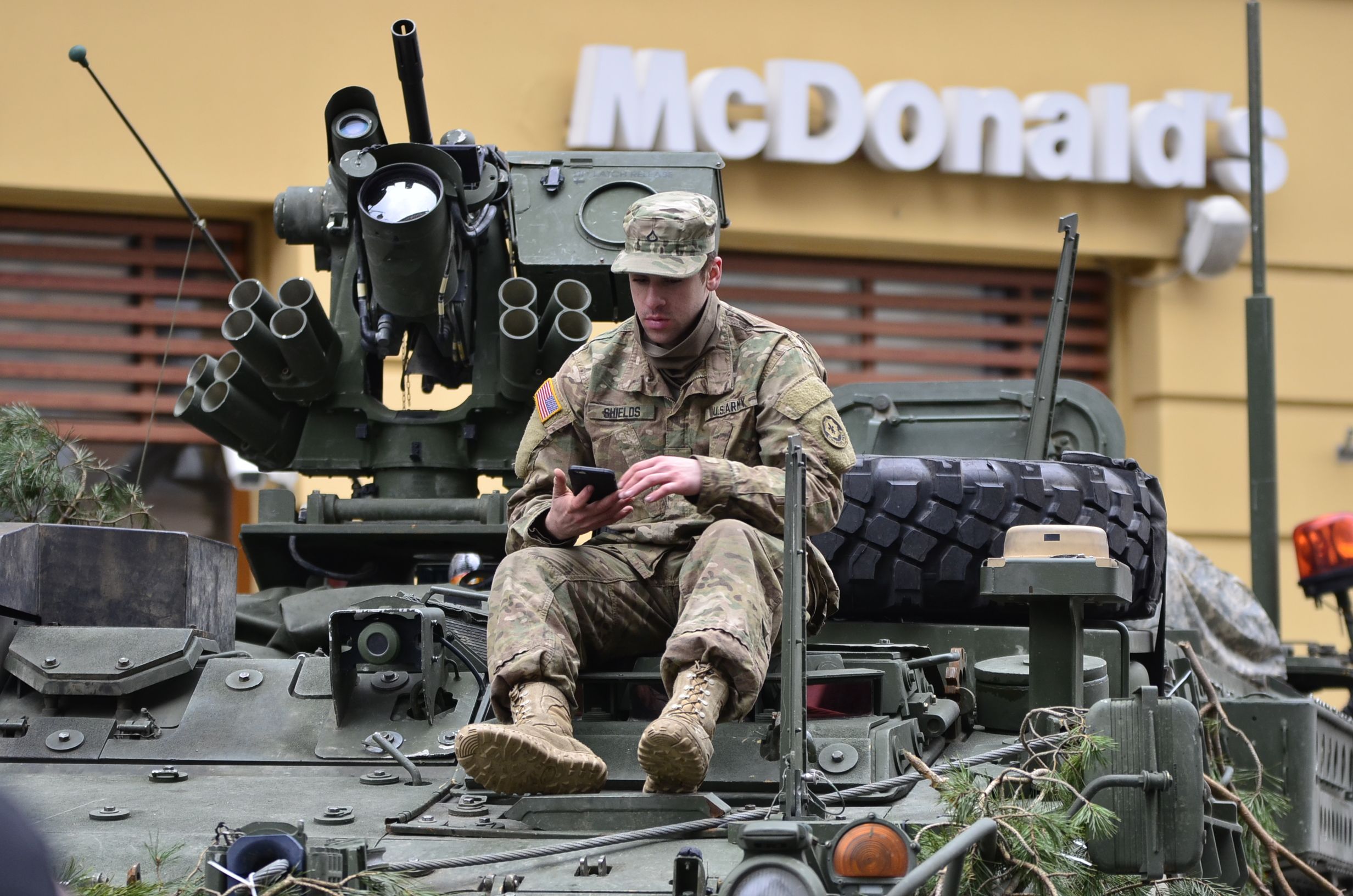
The Department of Defense has announced plans to withdraw 5,000 U.S. troops from Germany over the next six to 12 months. Outlets disagree on motive: some present it as a routine force-posture review or logistical adjustment, while others frame it as retaliation in a diplomatic spat between President Trump and German Chancellor Friedrich Merz.
Start With What's Verified
- The Pentagon has ordered the withdrawal of roughly 5,000 U.S. troops from Germany.
- Officials say the move follows a force-posture review and will be carried out over months.
- The announcement comes after public tension between President Trump and Chancellor Merz over the handling of the Iran crisis. See also our reporting on this thread: A Glimmer of Hope or a Brief Pause? Inside the US-Iran Ceasefire.
How the Headlines Diverge
According to BBC News: the troop reduction is directly tied to a "spat" between President Trump and Chancellor Merz, highlighting political friction and public insults on social platforms. BBC frames the decision as immediate political signaling: a leader punishing an ally for perceived disloyalty.
According to Al Jazeera: reporting emphasizes Trump's broader posture toward allies and his willingness to use military presence as leverage — a pattern not limited to Germany but part of his response to allied hesitancy over cooperation in the Iran conflict.
According to The New York Times (context piece): analysts place the announcement within a longer arc of U.S. force-posture debates in Europe. Past proposals to move troops have met congressional pushback and were reversed; therefore implementation is neither simple nor guaranteed.
According to the Associated Press: Pentagon spokespeople stress an operational rationale — that a force-posture review identified shifting theatre requirements and logistical efficiencies that make this reduction workable in the near term.
The reality is mixed: there is an operational justification on paper, but the timing and public rhetoric from the White House make it hard to separate strategy from political signaling.
Several outlets emphasize different evidence. Some point to public posts and verbal attacks from the U.S. president that appear to target Chancellor Merz personally. Others foreground internal Pentagon memos and long-running planning cycles that predate the recent spat.
What the Headlines Leave Out
- German government sources and defence analysts worry about the optics: even a modest troop reduction at a moment of regional tension can be read as erosion of allied cohesion, undermining deterrence even if the operational impact is limited.
- Local communities around bases — schools, hospitals, landlords and small businesses — will experience the tangible effects, from lost contracts to housing market shifts. Those human and economic consequences rarely drive headlines but matter to everyday alliance health.
- Rank-and-file service members face relocation stress, family disruption, and career planning impacts that the broad diplomatic framing obscures.
- Congressional actors who previously blocked large-scale moves remain a wild card: political, budgetary, and legal mechanisms could slow, reshape, or even reverse the withdrawal.
These perspectives show that beyond talking points there are institutional frictions and human costs the initial headlines often miss.
Why the Gap Matters
We are watching two stories at once: an administrative military reallocation and a political performance. Media outlets that anchor the story in presidential rhetoric highlight accountability, domestic theater and the diplomatic breach. Outlets leaning on Pentagon statements emphasize planning, risk management, and theatre requirements.
Why the gap matters: readers who see only the political angle will conclude that U.S. policy is impulsive and destabilizing. Readers who see only the operational angle will miss how leadership rhetoric alters alliance dynamics and public perceptions. The numbers on paper are modest — 5,000 troops out of tens of thousands — but the symbolic cost to transatlantic trust could be larger and longer-lasting.
What to watch next:
- Congressional reaction: will lawmakers challenge or constrain the move?
- Implementation details: which units and bases are affected, and is the move reversible?
- Local impact: how will base-adjacent communities cope with a phased withdrawal?
Sources & Further Reading
-
BBC News: Frames the move as tied to a public spat with Friedrich Merz.
-
Al Jazeera: Highlights Trump’s confrontational posture toward allies over Iran.
-
The New York Times: Contextual analysis of long-term force-posture debates in Europe.
-
Associated Press: Official Pentagon framing and statement.
EXCERPT: The Pentagon plans to withdraw 5,000 troops from Germany — a small number on paper, but the timing and public rhetoric expose a deeper gap between operational logic and political signaling.
- geopolitics
- germany
Related stories

The Peru Pivot: When Fighter Jets Trump Democratic Stability
Peru is facing a constitutional crisis after US warnings over a delayed F-16 deal. Is defense more important than social stability?
Read the story
Iran War May Trigger Food Shortages Across Africa
The US-Iran war disrupts fertilizer supply, threatening crop yields and food security in Africa, warns the world's largest fertilizer firm.
Read the story
Putin Denounces NATO at Scaled-Back Victory Day Parade: Pageantry, Posturing, and the Two Tellings
Putin used a smaller Victory Day event to frame NATO as a threat and to justify ongoing military policy, a speech that reads differently at home and abroad.
Read the story