
Modi's BJP Conquers Bengal: Democracy, Development, or Deepening Polarization?
Modi's BJP claims a mandate, but the story behind the numbers is at once local and national—development promises, administrative shifts, and years of organizational work.
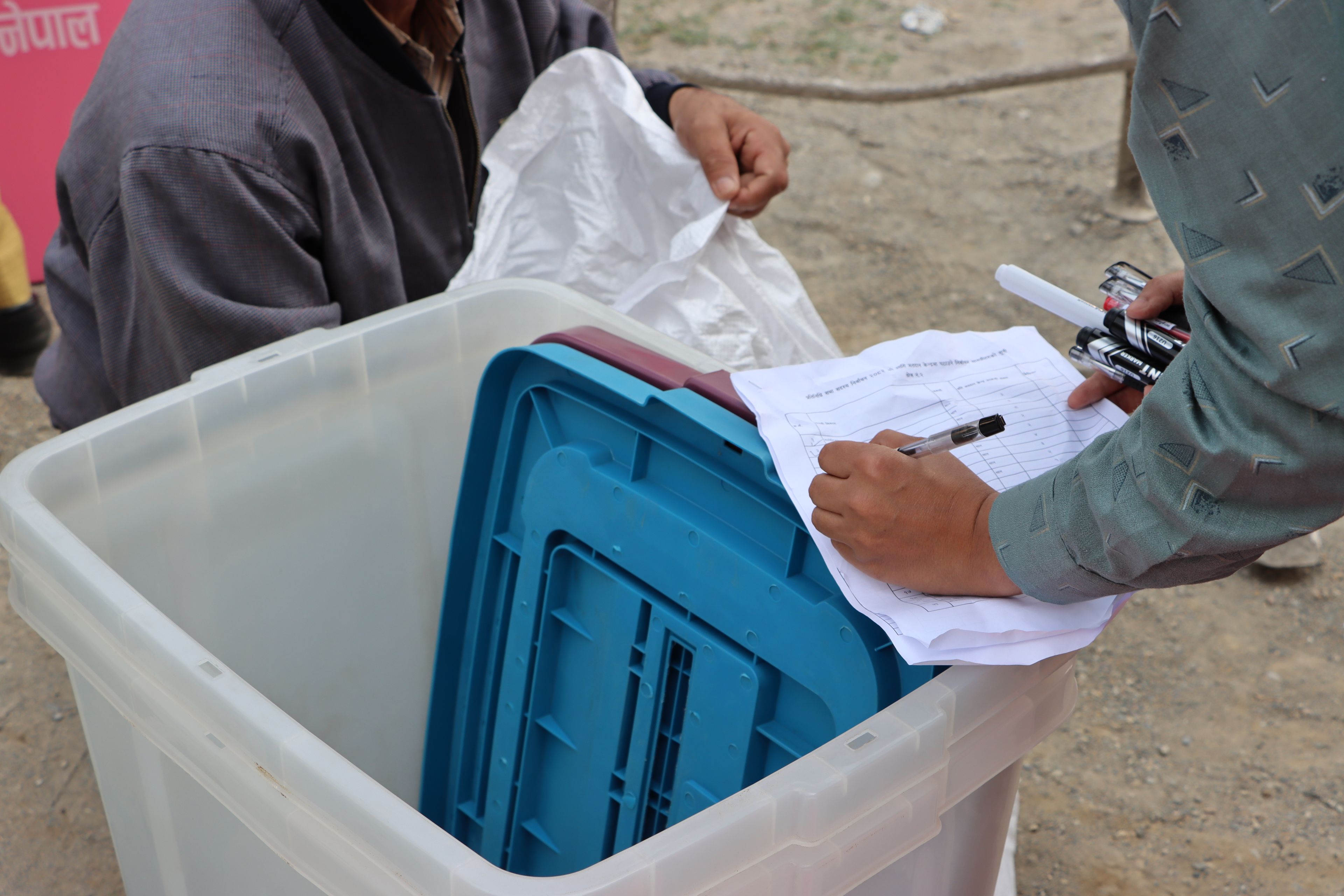
Modi's BJP Conquers Bengal: Democracy, Development, or Deepening Polarization?
India's ruling Bharatiya Janata Party (BJP) has secured a historic victory in the 2026 West Bengal legislative elections, ending 15 years of Trinamool Congress (TMC) rule. The counting on May 4 showed the BJP ahead by a clear majority in seat tallies, prompting celebrations among supporters and sharp criticism from opponents who say the contest was marred by intimidation and uneven playing fields. Background from our archive: Trump tells Congress ceasefire means he does not need their approval for Iran war.
What We Know
- The BJP has won a majority of seats in the 2026 West Bengal assembly election; counting continues but results point to a decisive shift.
- Voter turnout was unusually high in many districts, and national leaders including Prime Minister Narendra Modi have framed the win as a mandate for development.
- Opposition leaders and civil-society groups report incidents of violence, targeted campaigning, and administrative pressure during the campaign period.
What the Big Newsrooms Are Saying
According to Al Jazeera, the victory is the culmination of a long-term strategy of political consolidation and organizational penetration into regional strongholds, framing the story as a strategic breakthrough for the BJP's national project. (See: Al Jazeera: feature on political strategy and consolidation.)
According to the Associated Press, the immediate facts are straightforward: counting shows the BJP leading after a vigorous campaign, and official returns confirm seat tallies that would allow the party to form the government. (See: Associated Press: straight reporting on vote counts and official reactions.)
The New York Times emphasizes national implications — how the result reshapes the political map ahead of other state contests and national calculations — and traces the win to both messaging and structural campaigns tied to welfare and identity politics. (See: The New York Times: analysis of national implications and BJP strategy.)
At the same time, local reporting in LiveMint documents seat-by-seat trends and localized grievances: protest rallies, allegations of voter suppression, and narrowly fought urban contests where outcomes hinged on small margins. (See: LiveMint: local vote-trend coverage and seat math.)
The Overlooked Perspectives
-
Local civic groups and some independent observers point to an erosion of local public institutions, where administrative neutrality eroded under campaign pressure. These voices are smaller and less prominent internationally but report consistent patterns: sudden transfers, complaints filed late in the day, and intimidation charges that rarely make front pages outside India.
-
Rural voters interviewed by regional outlets framed the choice differently: a mix of development promises, road-building, and targeted welfare matters more than national ideology at the polling booth. International headlines emphasize polarization; many voters describe practical concerns—electricity, irrigation, employment—as decisive.
-
Diaspora and independent analysts warn that the scale of organizational effort and the use of social media micro-targeting means what looks like a sudden breakthrough was years in the making. The "surprise" is often a lagging interpretation of long-term groundwork.
The Takeaway
There are two stories happening at once, and both are true: a national-level political project that finally cracked an electoral frontier, and a patchwork of local contests decided by bread-and-butter issues, administrative friction, and campaign intensity. International outlets frame the win as a strategic and symbolic victory for Prime Minister Modi and the BJP; local reporting suggests a more granular explanation rooted in targeted governance promises and ground-level mobilization.
The perspective gap matters because it shapes policy reactions. If international actors treat the outcome solely as ideological consolidation, they will miss the levers—service delivery, local networks, and electoral mechanics—that produced this result. Conversely, treating it as only local neglects the strategic lessons the BJP will carry forward for national politics.
Readers should therefore treat headlines as entry points, not conclusions: follow the seat-level data, listen to local voices about services and grievances, and watch for institutional changes that outlast the jubilation of the day.
Sources & Further Reading
-
Al Jazeera: feature on political strategy and consolidation
-
Associated Press: straight reporting on vote counts and official reactions
-
The New York Times: analysis of national implications and BJP strategy
-
LiveMint: local vote-trend coverage and seat math
-
Excerpt:* Modi's BJP claims a mandate, but the story behind the numbers is at once local and national—development promises, administrative shifts, and years of organizational work filled in the map where headlines see only a sweep.
Related stories

A 0.02% Statistic Became 'I Won the Election'
A Census Bureau report flags 24,000 possible noncitizen voters from 2020 — 0.02% of ballots cast. Trump calls it proof. Reporters found an authorship problem.
Read the story
Manchin's Independent Bet Splits the Press Before It Splits Voters
Joe Manchin relaunched his push for independent candidates at a West Virginia retreat. NPR, CNN and Newsweek covered the same event but disagree on whether it can work.
Read the story
The $25 Loophole Sending Wild Mustangs to Slaughter
A legal loophole lets the government sell protected mustangs for as little as $25. Coverage splits between an NYT investigation, BLM's flat denial, and advocates' data.
Read the story