
Mangione's Anonymous Jury: The Fact Most Coverage Buried
A judge ordered an anonymous jury for Luigi Mangione's murder trial. Coverage split between 'Free Luigi' spectacle and a prosecutor's warning most outlets buried.
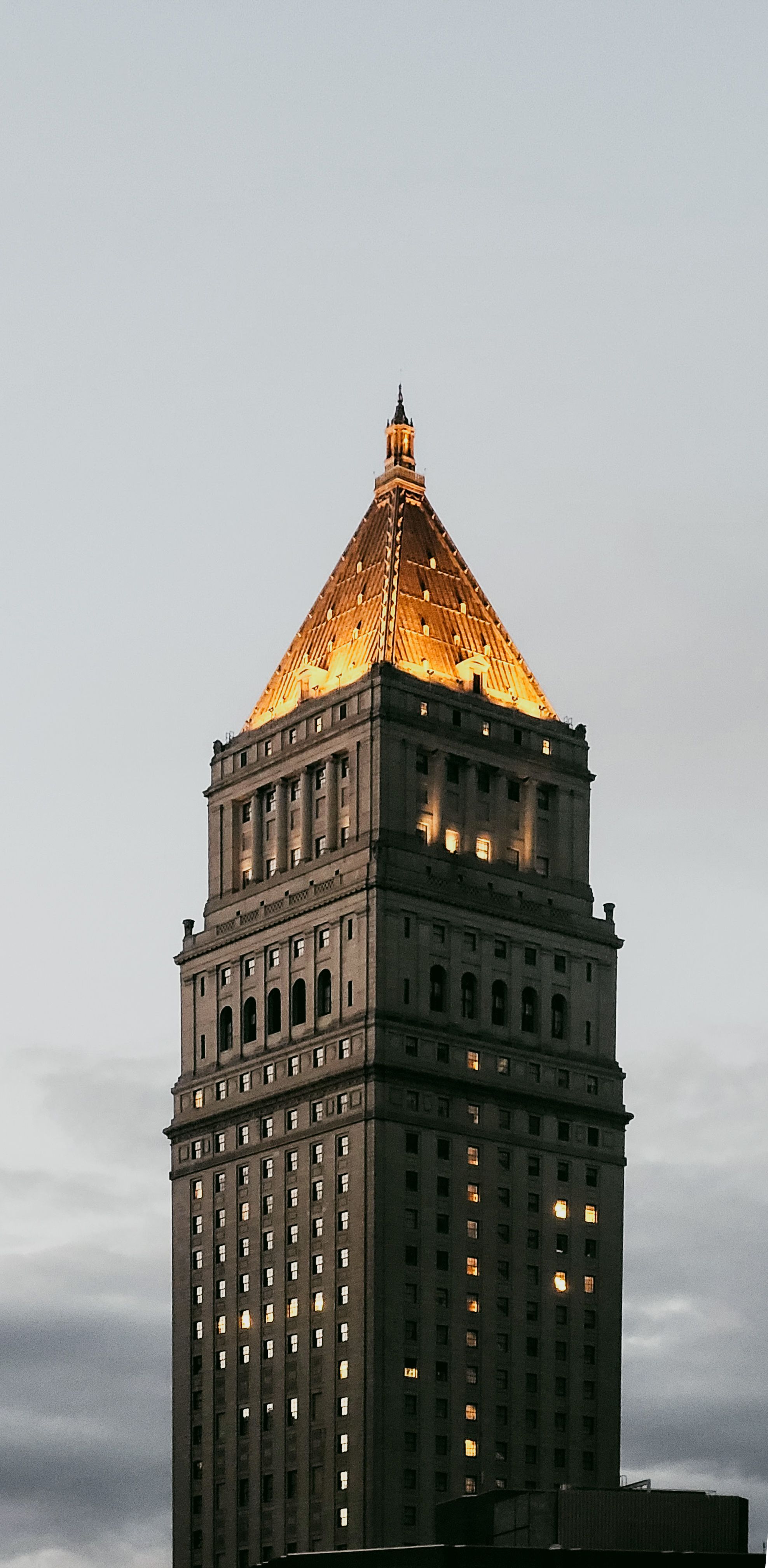
Outside Manhattan Criminal Court on Tuesday, a handful of Luigi Mangione's supporters showed up wearing green — a nod, apparently, to the Nintendo plumber who shares his first name — and at least one wore a pin bearing his face. Inside, a judge had just ruled that the jury deciding whether Mangione murdered UnitedHealthcare CEO Brian Thompson will remain anonymous through the trial. Most of the coverage that followed spent its energy on the T-shirts.
That's not entirely the reporters' fault. A courthouse full of people wearing "Free Luigi" merchandise for a man accused of gunning down a healthcare executive is, genuinely, a strange scene. But the spectacle crowded out the actual legal news: a prosecutor's sworn warning, filed the day before the hearing, that Mangione's supporters have already tried to interfere with witnesses and the jury process.
What the Judge Actually Ordered
New York State Justice Gregory Carro ruled on August 11 that jurors in Mangione's state murder trial will be anonymous to the public — their names and addresses withheld from everyone except the prosecution and defense teams, who need that information to screen for bias during jury selection.
A few things are worth pinning down before getting into how outlets diverged:
- Jury selection begins September 8; the trial is expected to run about six weeks, according to Al Jazeera's reporting, sourced to Reuters and the Associated Press.
- Mangione, 28, has pleaded not guilty to second-degree murder, weapons possession, and forgery charges tied to Thompson's December 2024 killing outside a Midtown hotel.
- Carro also ordered an overflow courtroom for media and the public, and expanded access short of a live broadcast, which the defense had pushed for.
- Anonymous juries aren't the norm in US criminal trials, but judges use them in high-profile cases when there's a documented risk of jurors facing harassment or outside pressure — not simply because a case is famous.
That last point matters, because "documented risk" is doing real work in this ruling, and it's the part that got the least airtime.
Two Hearings, Two Stories
Read the wire coverage and you get a procedural, almost dry account: a judge weighing juror safety against transparency, evidence rulings on a 3D-printed gun and a notebook, a defense team that has quietly walked back an "extreme emotional disturbance" strategy it floated back in June. NBC News and Al Jazeera both frame the hearing as one more procedural step toward a September trial date, with the healthcare-industry backdrop mentioned as context, not as the story.
Local and entertainment-adjacent coverage told a different story. ABC News 4, a Sinclair-owned affiliate running wire copy from The National News Desk, led with the rally outside — supporters, T-shirts, a reference to an actual satirical Mangione musical debuting elsewhere — and mentioned the anonymous-jury order almost as a caption to the photos. It's not wrong, but it's a fundamentally different story than the one about why the judge felt an anonymous jury was necessary in the first place.
The Mary Sue's account split the difference and, in doing so, surfaced the detail everyone else glossed over.
The Sentence Buried in Paragraph Nine
According to that outlet's reporting, prosecutor Joel Seidemann sent the court a letter on August 10 — one day before the hearing — warning that spectators in an overflow room could secretly record proceedings and circulate the footage, adding pressure on jurors and witnesses. Seidemann went further, accusing Mangione's supporters of actively trying to disrupt the trial and calling it an "extraordinary" threat to the legal process.
That's a specific, falsifiable claim from a prosecutor, made in writing, a day before a judge sided with the anonymity request. It's also functionally absent from most of the coverage that ran in the following 24 hours, which instead led with the folk-hero framing that's followed this case since Thompson's killing in 2024: supporters describing Mangione as a symbol of resistance against a healthcare system they see as predatory, defense attorney Marc Agnifilo pushing back on courtroom-access limits, and Carro dismissing the defense's own claims about media restrictions as "a reckless mischaracterization."
None of that is manufactured. Mangione's defense fund did draw large donations early on, and polling after Thompson's killing found a meaningful share of Americans, especially younger voters, unwilling to unequivocally condemn the shooting — a data point conservative commentators have seized on as evidence of a deeper cultural rot, while more sympathetic coverage treats it as a symptom of genuine frustration with claim denials and prior authorizations. Both readings can be true at once. What's missing from most of this week's coverage is the narrower, more boring fact: a prosecutor made a specific interference allegation, and a judge apparently found it credible enough to act on.
Why the Framing Gap Matters
This is a pattern CheckDeezOut keeps running into with high-profile trials: coverage of the spectacle is cheap and clicks well, while coverage of the procedural mechanics that actually decide outcomes takes more digging and reads less dramatically. It's the same dynamic that showed up when eyewitness accounts and police statements diverged after a body-camera-less police shooting in Madison — the visible, emotional part of the story absorbed most of the coverage, while the specific factual claims driving the actual decisions got buried a few paragraphs down.
For Mangione's trial, that gap will matter more as September 8 approaches. The jury questionnaire — expected to be submitted by both sides this week and made public once finalized — will determine who actually gets seated, and lawyers on both sides are already signaling they'll fight over jurors' personal experiences with health insurance claims. Whether Seidemann's interference allegation holds up, or whether it was closer to what the defense called "speculative" and "hypothetical" concerns, is a question actual trial coverage should answer. So far, most of it hasn't asked.
Mangione also faces a separate federal case over stalking charges, with that trial currently scheduled for January 2027, after a federal judge took the death penalty off the table earlier this year. The state case is the one moving first, and it's the one where September's jury selection will start setting the terms of how this story gets told for the next six weeks.
Sources & Further Reading
- US jury in Luigi Mangione murder trial to remain anonymous — Al Jazeera (Reuters, AP)
- Jury in Luigi Mangione's state trial will be anonymous, judge rules — NBC News
- Luigi Mangione supporters rally outside courthouse as judge orders anonymous jury — ABC News 4 / The National News Desk
- New York Judge Orders Anonymous Jury for Luigi Mangione Trial, Citing Concerns About Radicalized Supporters' Healthcare Grievances — The Mary Sue
- true-crime
- courts
- law
- healthcare
- new-york
Related stories
The $0 Tax Loophole That Just Gutted a 90-Year-Old Gun Law
A Texas judge voided NFA gun-registration rules after Congress zeroed the tax behind them. Outlets already disagree on what the ruling actually changes.
Read the story
Two Minutes, No Warrant: The Border Phone Search Ruling, Explained
A federal appeals court says CBP can hand-search any phone at the border with zero suspicion. The case that set the rule isn't the one most coverage describes.
Read the story
Supreme Court Asked to Restore Mifepristone Access: Science, Politics, and the Mail-Order Battle
A federal appeals court limited mail-order distribution of mifepristone; the drug maker has asked the Supreme Court to step in, exposing a clash between legal authority and public-health practice.
Read the story