
A 9-3 Fed Vote and a 19-Year Bond Yield: What 'Rates Held Steady' Left Out
The Fed held rates steady on July 29 and outlets called it prudent. Stocks fell and 30-year Treasury yields hit a 19-year high the same day. Here's the gap.
The Federal Reserve held its benchmark interest rate steady on July 29, and most headlines treated that as the story: no move, no surprise, business as usual. The federal funds rate stays at 3.50%–3.75%, the fifth straight meeting without a change. Fed Chair Kevin Warsh called it "especially prudent at these uncertain times."
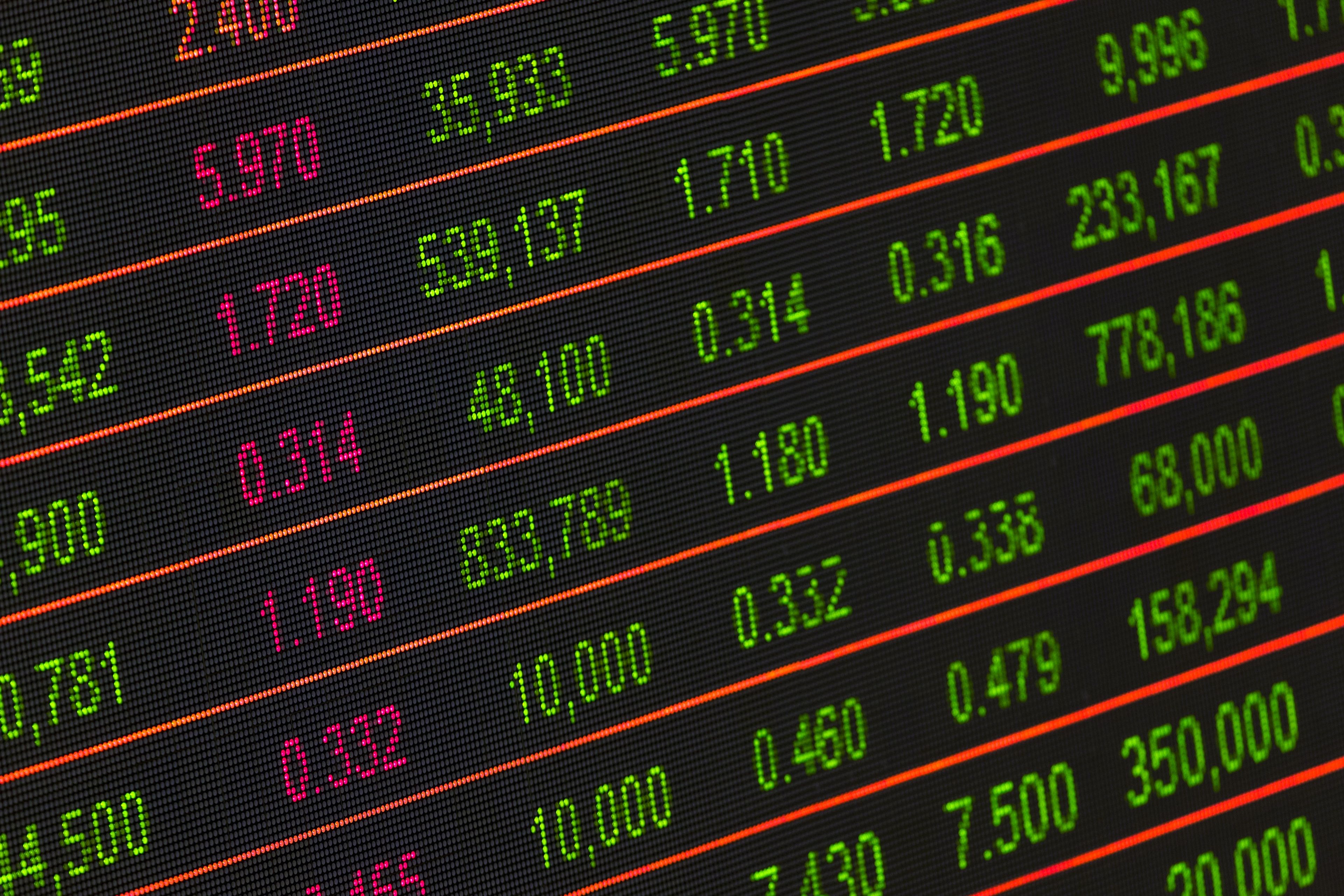
Markets didn't act like it was prudent. The Dow fell about 1,150 points that day — roughly 2.2% — and the 30-year Treasury yield jumped to 5.21%, its highest level since 2007. That reaction is the part a lot of the same-day coverage buried or left out entirely, and it changes what the "hold" actually means for anyone with a mortgage, a credit card balance, or a stake in the AI buildout.
What the Fed Actually Did
The Federal Open Market Committee voted 9-3 to keep rates unchanged, according to the Fed's own statement. The three dissenters — Cleveland Fed President Beth Hammack, Minneapolis Fed President Neel Kashkari, and Dallas Fed President Lorie Logan — all wanted a quarter-point hike instead. That's not just a large dissent; it's the first time since September 2016 that three FOMC members lined up behind the same direction at the same meeting, as reporting aggregated from CNBC's live coverage noted.
Inflation has run above the Fed's 2% target for more than five years. Warsh, who took over as chair in May, told the Senate Banking Committee this month that "the members of our committee have no tolerance for persistently elevated inflation," according to NPR. June inflation had cooled to 3.5%, driven partly by a brief dip in energy prices during a temporary ceasefire — but renewed fighting in the Middle East has since pushed gas back toward $4 a gallon nationally, and the FOMC statement cited "elevated uncertainty" tied "in part" to that conflict.
How the Coverage Split
Outlets that framed this around the Fed's own messaging made the hold sound like a story about resolve. Fox Business led with Warsh's press-conference lines almost verbatim — "I asked for a good family fight, and I got one" — and quoted Wall Street strategists like Morgan Stanley's Ellen Zentner and JPMorgan's Phil Camporeale largely endorsing the pause. That's a defensible read: the majority did vote to hold, and the people quoted did support it.
NPR's coverage, by contrast, treated the meeting almost entirely through the lens of the decision itself and the labor market, with a long detour into how AI data-center investment is putting upward pressure on prices — Warsh is "generally bullish" on AI's long-run productivity effects but flagged near-term disruption. Neither piece led with what the bond and stock markets did in response.
That's the gap. A same-day market selloff and a 19-year high on the long bond aren't a footnote to a "hold" decision — they're a rebuttal to it. Bond investors, who are pricing in decades of expected inflation rather than reacting to one meeting, effectively told the Fed they don't believe the fight against elevated prices is close to over. Ian Lyngen, head of U.S. rates at BMO Capital Markets, put it more mildly: the majority is "siding with Warsh to keep rates stable until at least September," when two more inflation reports will be in hand.
The Number Most Headlines Buried
Two Treasury moves happened in opposite directions on the same day, and the divergence is the real story. The 2-year yield — which tracks near-term Fed expectations — fell slightly, consistent with traders pricing in a possible September move. But the 30-year yield, which reflects the market's view of inflation over the coming decades, rose to its highest point since 2007. Futures markets moved the odds of a September hike from roughly one-in-three to better than 57% within hours of Warsh's press conference, according to CME FedWatch data cited by Fox Business.
Warsh himself gave the split a name at the press conference: "This is a period of watchful thinking, not watchful waiting." The distinction matters. A committee that's "watchful waiting" has already picked a direction and is just confirming it with data. A committee that's "watchful thinking" hasn't picked one — which is a more unsettled position than "we held rates steady" usually implies.
Why the Gap Matters
The mechanics here reach further than a Fed press release. Variable-rate debt — credit cards, home equity lines, adjustable mortgages — moves with the prime rate almost immediately after any Fed change. A quarter-point September hike would add roughly $20 a month to a $150,000 home equity balance. Fixed 30-year mortgages don't track the fed funds rate directly; they track the 10-year Treasury, which has already been climbing in anticipation of what September might bring. Freddie Mac put the 30-year fixed at 6.58% as of July 23, before this meeting even happened.
There's also a less obvious channel: AI infrastructure financing. Hyperscalers are expected to issue $250–300 billion in bonds this year to fund data-center construction, and those projects are valued on cash flows discounted at long-term borrowing rates — the same rates that just hit a 19-year high. Higher long yields make that math worse regardless of what the Fed's short-term rate does. That's a detail that belongs in coverage of "AI bubble" anxieties, a topic CheckDeezOut has examined from a different angle in its look at big tech's layoff wave.
What Happens Next
The next two inflation reports — July CPI on August 12 and the August reading before the September 15–16 meeting — are now the whole ballgame. Warsh is scheduled to speak at the Jackson Hole symposium August 27–29, and he's already signaled he won't use it to telegraph a rate path. If inflation reaccelerates on renewed oil price pressure, the three dissenters' hawkish position gains ground fast. If it cools further, the hold coverage that dominated July 29 will end up having been the more accurate read after all. Right now, both the Fed and the bond market are making bets, and they're not the same bet.
Sources & Further Reading
- Federal Reserve issues FOMC statement, July 29, 2026 — Federal Reserve
- The Federal Reserve faces a critical decision on interest rates — NPR
- Fed policymakers leave rates unchanged amid elevated uncertainty — Fox Business
- Three Fed Dissenters Signal September Hike Is Live After Most Hawkish FOMC Vote in Nearly Ten Years — Tech Times (aggregating CNBC, CNN Business, Bloomberg, U.S. News)
- federal-reserve
- economy
- inflation
- markets
Related stories
The U.S. Lost 23,000 Jobs in July. The Unemployment Rate Fell Anyway.
July payrolls shrank by 23,000 and revisions erased 103,000 more jobs — yet unemployment fell. Here is what outlets chose to emphasize.
Read the story
Trump's New Letter to Fire Fed Governor Lisa Cook Reads Like a Legal Rebuttal
Trump revived his bid to fire Fed Governor Lisa Cook with a letter built to survive the defect the Supreme Court flagged in June. Here's what coverage left out.
Read the story
The AI Boom's Electric Bill Just Became a Midterm Weapon
Political reporters are covering the data-center backlash as a 2026 election story. Policy reporters call it a market failure. Both are skipping the part where nobody's fix is tested yet.
Read the story