
Two US Service Members Missing in Morocco During African Lion: Accident, Foul Play, or Poor Planning?
Two U.S. service members went missing during the African Lion exercise in Morocco; search operations are ongoing amid differing official accounts.
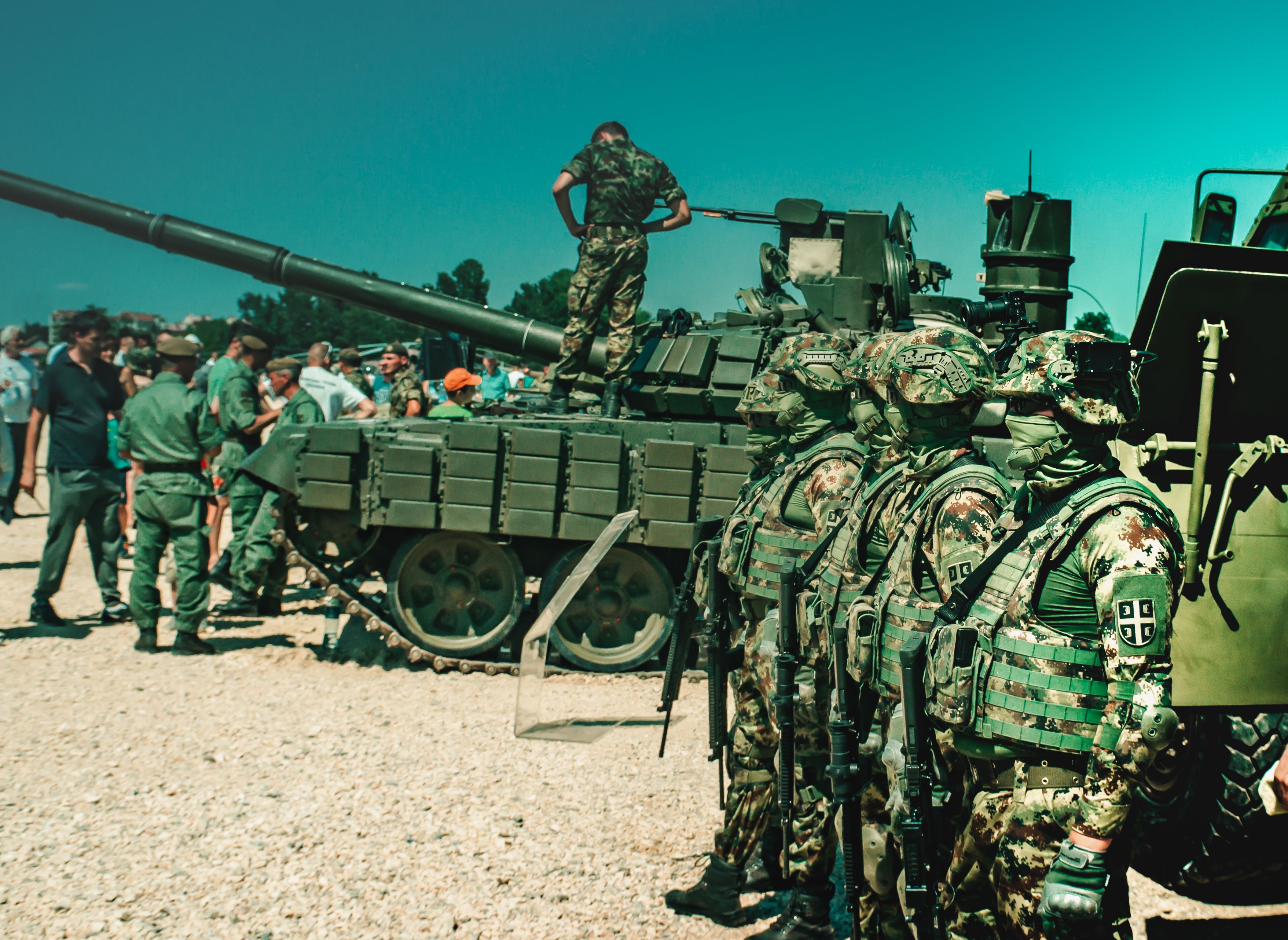
The United States Africa Command (AFRICOM) says two American service members went missing during the multinational African Lion exercise in southwestern Morocco. Initial accounts vary by outlet — some emphasize difficult terrain and training accidents, others highlight safety lapses and unclear communications. The contrast in exposure, detail, and tone across outlets reveals a classic "perspective gap": the same event framed as routine military risk by officials and as a management failure or political risk by others.
What's Beyond Dispute
- Two U.S. service members were reported missing near the Cap Draa Training Area outside Tan-Tan, Morocco, during the African Lion exercise on May 2–3, 2026.
- Search-and-rescue operations were launched by U.S. and Moroccan forces; no evidence of hostile action has been presented publicly.
- Official statements from AFRICOM and Moroccan authorities confirm the incident but differ in level of detail and emphasis.
See also our reporting on this thread: A Glimmer of Hope or a Brief Pause? Inside the US-Iran Ceasefire.
The Coverage, Compared
-
According to Reuters (primary reporting): Reuters reports briefly that two U.S. troops went missing during the African Lion exercise and cites AFRICOM and Moroccan statements that place the incident near a cliff and say search efforts are ongoing. The tone is concise, focusing on verified official comments and operational facts.
-
According to the BBC: The BBC provides a timeline and context about the exercise, noting the locations and the potential for accidents in challenging coastal training areas. The BBC balances official quotes with regional context about multinational exercises.
-
According to AP: AP’s reporting emphasizes the human and procedural elements — search operations, the identities withheld pending family notification, and prior accidents during multinational drills — giving the story more humanitarian framing than terse wire dispatches.
-
The reality beneath these accounts is more layered: there is an operational risk from rugged terrain and joint-training logistics, but there are also accountability questions about planning, risk assessment, and host-nation coordination that wire copy often sidelines.
Voices Outside the Main Coverage
-
Local Moroccan reporting and statements from participating partner forces often appear later in the cycle and are under-represented in early international dispatches. Local sources can provide detail about exact terrain hazards, emergency-response capacity, and whether safety briefings matched the environment.
-
Military families and veterans’ outlets raise different concerns: repeated training accidents point to potential systemic issues — scheduling pressures, insufficient reconnaissance, or fatigue during large-scale exercises.
-
Geopolitical storytellers will spin this differently: some domestic U.S. outlets might frame the event as an unfortunate cost of maintaining regional partnerships; others on the political right or left could use it as evidence of mismanagement or as part of broader critiques of overseas engagements.
Why the Gap Matters
Official briefings are valuable: they deliver verifiable facts and avoid speculation. But early-stage reporting that prioritizes official soundbites risks muting crucial accountability threads: were safety margins appropriate for the terrain? How well were Moroccan and U.S. command-and-control channels integrated? Did training schedules press units into riskier windows? Those questions often surface only after digging into local reports, veteran communities, and training logs.
The perspective gap here is procedural: international wire agencies constrain themselves to confirmed statements, which limits early analysis. Deeper reporting — the kind that follows the SAR teams, examines communication logs, and interviews partner-nation first responders — reveals how multinational exercises trade operational realism for complex logistics and, sometimes, harder-to-manage safety risks.
For readers: watch for follow-ups that quote local authorities and first responders, and look for patterns across past exercises rather than treating this as an isolated accident. If this becomes part of a pattern, it should change how militaries plan and risk-assess large drills in complex environments.
Sources & Further Reading
-
Reuters: concise wire reporting focused on AFRICOM and Moroccan official statements.
-
BBC News: timeline and context about the African Lion exercise and terrain-related risks.
-
Associated Press: human-focused reporting emphasizing search operations and family notifications.
-
The New York Times: longer-form reporting situating the incident within recent training safety debates. Excerpt: Two U.S. service members went missing during the African Lion exercise in Morocco; initial accounts confirm search operations but differ in emphasis between operational fact and accountability concerns.
Related stories

Israel Approves Multi‑Billion F‑35 and F‑15IA Purchase: Deterrence, Aid, or Escalation?
Israel approved a multi‑billion plan to buy F-35 and F-15IA jets, a move framed as deterrence — but analysts warn the procurement masks deeper strategic tradeoffs.
Read the story
U.S. Pulls 5,000 Troops From Germany — Signal or Simple Rearrangement?
Washington plans to withdraw roughly 5,000 troops from Germany, a move officials call a limited rebalancing but which allies read as political signalling.
Read the storyTrump Calls U.S. Forces "Like Pirates" Seizing Iranian Oil — Bluster or Admission?
A quick guide to what Trump's "pirates" comment reveals about maritime operations and media framing.
Read the story