
Smuggling Starlink into Iran: How a Secret Network Keeps Iranians Online
A clandestine network is smuggling satellite internet terminals into Iran to bypass a months-long blackout — but the human, legal, and logistical tradeoffs show this is about more than tech.
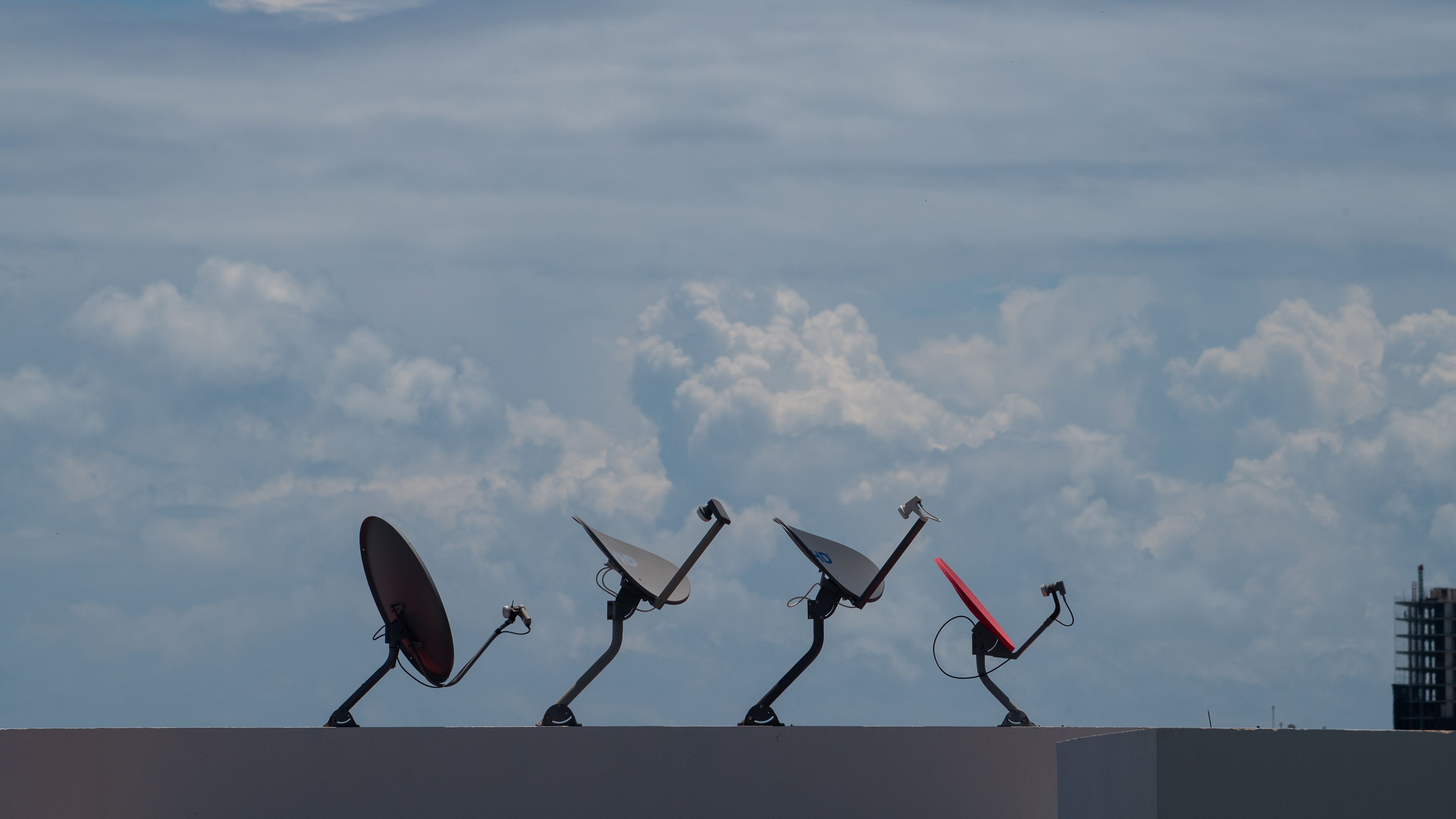
Smuggling Starlink into Iran: How a Secret Network Keeps Iranians Online
Iran's long-running internet shutdowns have given rise to an underground market: clandestine networks that buy, smuggle and distribute Starlink satellite terminals so Iranians can bypass state controls. The result is a moral tangle — humanitarian access to independent information versus the legal and security risks created by an illicit supply chain.
First, the Facts
- Iran has imposed repeated, long-lasting national internet blackouts in recent months.
- Activists and volunteers are importing Starlink terminals to provide satellite-based access to the global internet despite legal penalties.
- The devices are expensive, in demand, and have become the focal point of both humanitarian efforts and state crackdowns. This connects to a story we covered earlier: A Glimmer of Hope or a Brief Pause? Inside the US-Iran Ceasefire.
The Coverage, Compared
According to the BBC, the headline narrative is that a loosely organised network of Iranians abroad and volunteers are smuggling Starlink equipment across borders to get independent information back into the country. BBC reporting quotes people directly involved and cites arrests and new Iranian laws that criminalise possession and distribution of the terminals.
According to state-affiliated Iranian outlets (reported by international media), the official narrative frames the imports as criminal activity tied to espionage or hostile foreign influence — a security threat that justifies arrests and tighter controls.
According to digital-rights organisations, meanwhile, the legal framing misses the humanitarian dimension: for many Iranians the terminals are the only way to report abuses, organise relief, and access banned services. The volunteers say their goal is not profit but to keep lines of communication open.
"If even one extra person is able to access the internet, I think it's successful and it's worth it," a volunteer told the BBC — a sentence that captures why the moral argument matters even when legality does not.
What the Headlines Leave Out
-
Regional smugglers and border intermediaries: Coverage focuses on volunteers and activists, but little reporting examines the intermediaries — couriers, local markets, and informal sellers — who translate donations into usable hardware on the ground.
-
Economic reality for users: Many Iranians cannot afford both a Starlink terminal and the VPN/subscription costs needed to hide usage. Analysts note that publicised numbers (tens of thousands) often obscure the uneven distribution that concentrates access in wealthier or better-connected pockets.
-
State security logic vs. civil resilience: Officials emphasise espionage and sovereignty; activists emphasise documentation and safety. Both positions rest on different assumptions about technology’s role in political contestation.
-
The risk calculus inside Iran: People who receive terminals face arrest, coerced confessions, and broader reprisals against family members. That human cost is central to understanding why smuggling is high-stakes humanitarian work, not just a techie hobby.
What This Means for Readers
The reporting gap here is not a lack of facts but a clash of frames. Mainstream outlets report incidents and laws; state media categorises smuggling as security threats; rights groups emphasise humanitarian consequences. What too few accounts do is trace the ecosystem that connects donors abroad, market intermediaries, volunteer channels, and the end users who risk everything to share a single photo or eyewitness account.
Understanding this network requires combining three kinds of reporting: on-the-ground interviews with volunteers and recipients; supply-chain tracing that follows how devices move across borders; and legal analysis of how emergency communications intersect with national security laws. When those threads are woven together, the story moves from simple smuggling to an emergent form of civil resilience — a decentralized internet lifeline that challenges states’ capacity to control information.
Sources & Further Reading
- BBC: direct reporting from volunteers and victims, explaining the operational reality.
- Witness (digital-rights group): the humanitarian angle and documentation needs.
- NasNet (Persian social channels): grassroots distribution channels and market evidence.
Excerpt: A clandestine network is smuggling satellite internet terminals into Iran to bypass a months-long blackout — but the human, legal, and logistical tradeoffs show this is about more than tech.
Source: https://www.bbc.com/news/articles/cvgzk91leweo
Source name: BBC
- iran
- starlink
- internet shutdown
- censorship
- technology
Related stories

Minnesota's Water Hack Has Three Different Culprits, Depending Who You Ask
A cyberattack hit 30+ Minnesota water systems and spread to seven states. Federal investigators lean toward Iran. Trump blames Minnesota. Here's what each side leaves out.
Read the storyMarkets Rally After Report U.S. and Iran Near One-Page Memo to End War
Markets jumped and oil prices fell after reports that the U.S. and Iran are close to a one-page memorandum that could end the regional war, though key details remain contested.
Read the story
Export Controls Divide the West: Are Chip Rules Protecting Security or Crippling Industry?
Western export controls on advanced chips aim to protect security — but without parallel industrial policy they risk fragmenting supply chains and hurting the very firms policymakers want to defend.
Read the story